Human orientation
Average score: The breed is friendly to people, but works independently in a pack. Actual behavior depends on socialization.
THE PAW CATALOG
Origin: France
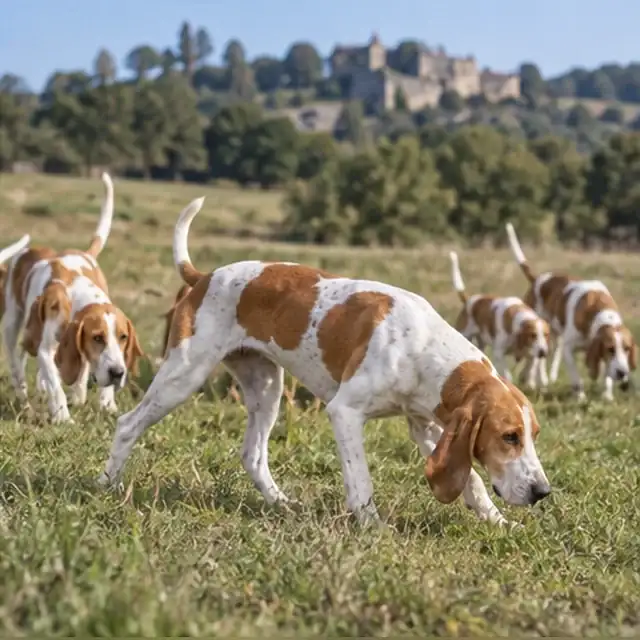
The breed was formed at the end of the 19th century from the crossing of billies with English foxhounds. In 1957, the names of all Anglo-French hounds were officially fixed. The word "large" indicates the type of pack that hunts large game, not the size of an individual dog: adult hounds reach 60-70 cm at the withers.
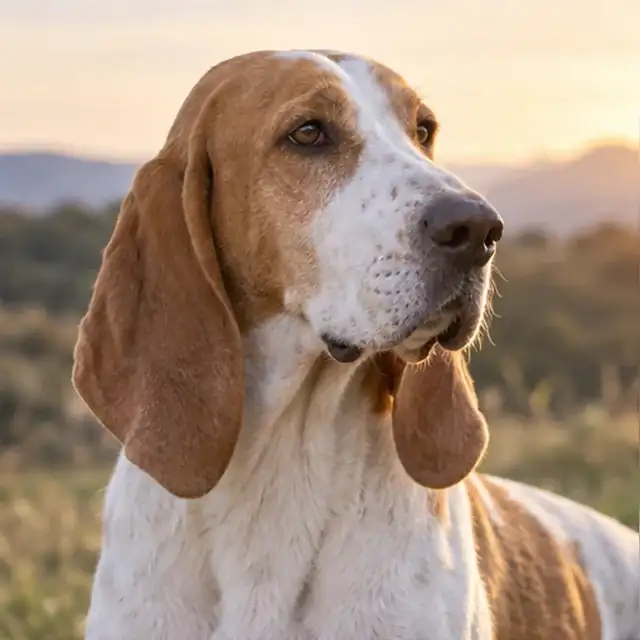
Large Anglo-French White and Red Hound - A strong French Hound with a white coat and lemon-red markings. A gregarious hunter, loud and hardy. Needs a lot of space, nose work and a firm but calm hand.
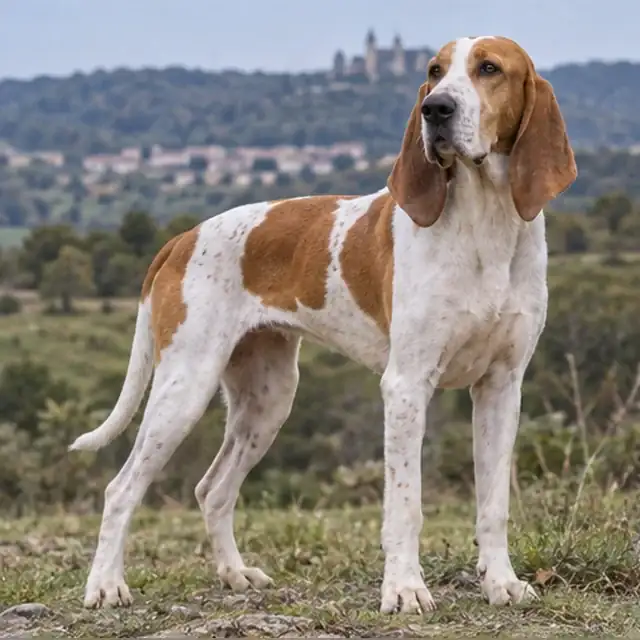
Mostly it is a working hunting dog that lives in a pack. Home life in the apartment does not suit him: without movement and the company of relatives, he gets bored and gives up his voice. A country house with a strong fence is more suitable.
A healthy adult dog needs long runs, nose work and space every day. You can run freely only in the fenced area. The load for puppies and elderly dogs is agreed with the veterinarian.
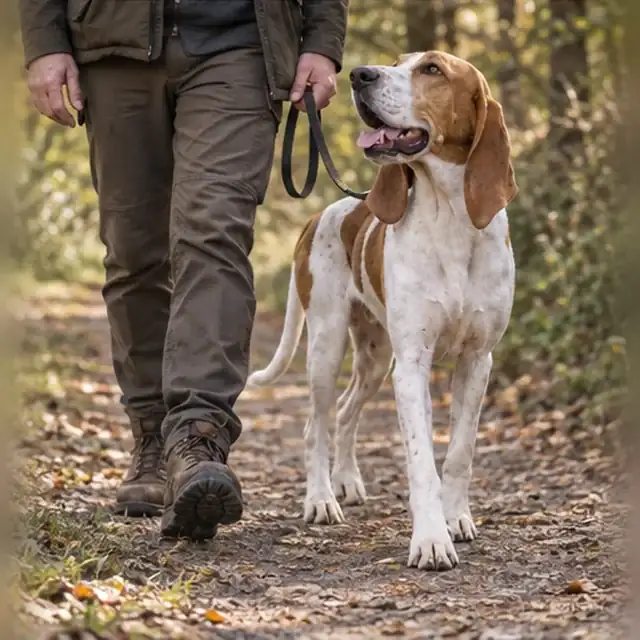
Willingly works in a pack, but is independent on the trail. Scent training, valuable treats, and short repetitions work better than pressure. Calling is practiced on a long leash, and safe free running is possible only in a fenced area.
The short coat is combed approximately once a week, more often during shedding. After hunting or a walk in the forest, the skin, paws and long ears are examined, the claws are trimmed, and the teeth are brushed.
It is described as friendly to people, but big and strong, so an adult monitors every contact, and the rules of a calm game are explained to the child.
The pack background makes the hound peaceful with other dogs. Cats and small animals can trigger a stalking instinct, so introductions take place gradually.
Estimates help compare breeds. For zooaggression, 5/5 means less tendency to aggression towards dogs. The behavior and health of a particular dog depend on many factors.
Average score: The breed is friendly to people, but works independently in a pack. Actual behavior depends on socialization.
Average score: There is no comparable data for the Great Anglo-French White and Red Hound breed, so the score is neutral. The actual behavior depends on the socialization and experience of the particular dog.
Average rating for compatibility: "Big Anglo-French White and Red Hound" usually gets along with dogs, and the attitude towards small animals is evaluated separately.
There are no comparable survival data for the Great Anglo-French White and Red Hound breed in the UK cohort used. Just because no risk is listed doesn't mean it doesn't exist: screening parents remains important.
Average rating: the coat is combed once a week, and the rest of the care is simple.
Pedigree screening: There is little documented data on hereditary diseases, so the breeder is asked for the results of examinations of both parents.
Musculoskeletal system: healthy paws and joints are important for a large running breed. Lameness or pain after work requires a veterinary examination.
The preventive examination includes an evaluation of the eyes, heart and ears, and the frequency of special checks is determined by the recommendations of the club and the veterinarian.