Human orientation
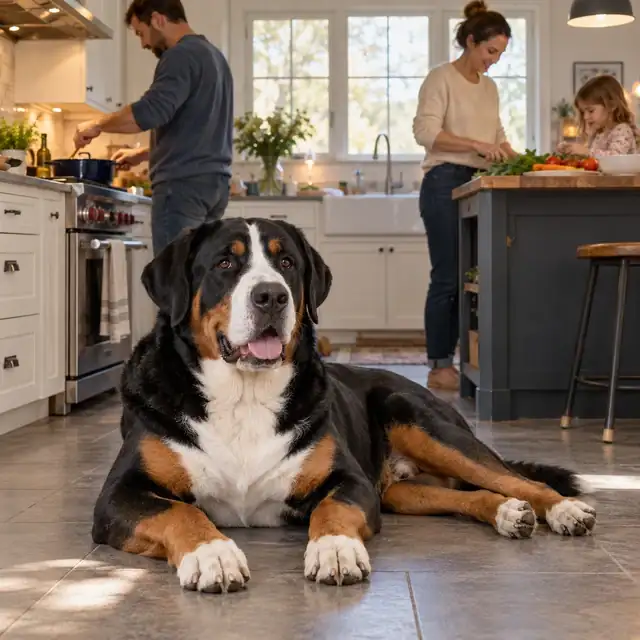
High score: the breed is very close to the family. Expression depends on socialization.
THE PAW CATALOG
Origin: Switzerland
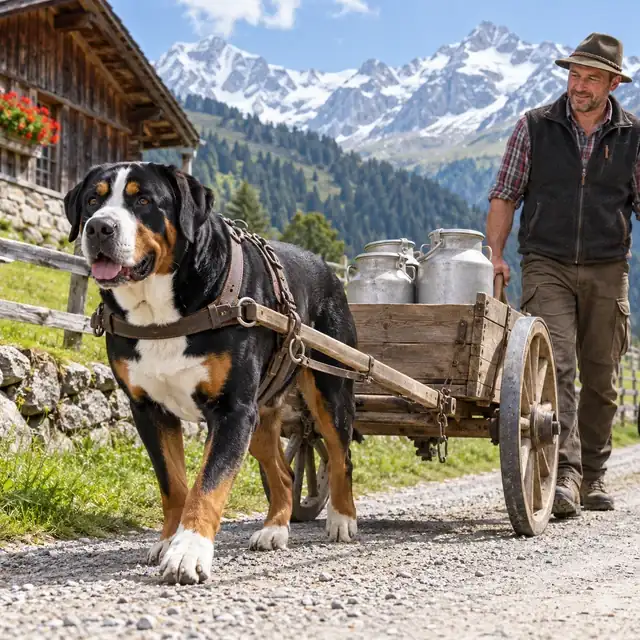
Swiss farmers and shepherds valued these dogs for their strength as early as the 19th century: they pulled carts, guarded yards and helped herd livestock. Subsequently, the breed became rare.
The Great Swiss Mountain Dog is a powerful tricolor dog with a short dense coat. Males reach approximately 65-72 cm and weigh 50-65 kg. Friendly, sensitive and very attached to the family. It needs space, moderate but regular activity and a responsible attitude to health.
Needs a house with a yard, not a cramped apartment. He is attached to his family and does not like loneliness. The coat is moderately lazy, saliva may be present, and the large size means significant costs for feed and veterinary care.
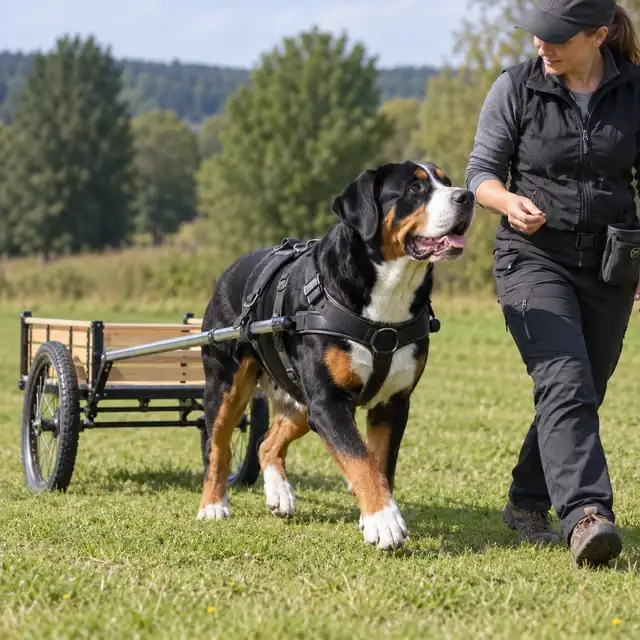
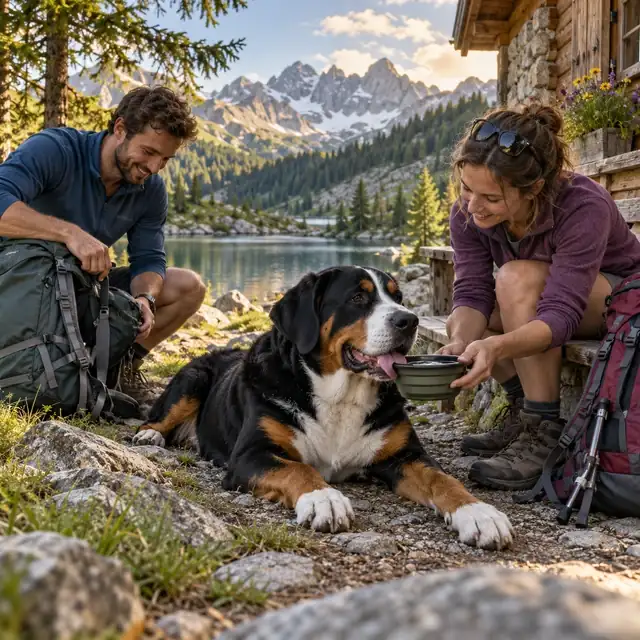
Peaks of energy alternate with calm rest. Walks, hikes, traction exercises and mental tasks are needed. Excessive jumping and running on hard surfaces is not recommended for puppies and teenagers.
Responds well to positive reinforcement, but strong-willed and needs patience. The leash is trained from an early age, because an adult weighing more than 50 kg pulling is a problem. Useful traction training under the guidance of a specialist.
The short coat is combed once a week, more often during the molting period. Ears are cleaned weekly to avoid infections, and eyes and eyelids are examined for risk of distichiasis and entropion.
He is known for his gentleness with children, but he is tall and strong, so games with small children are supervised. Even a friendly dog can unexpectedly knock a baby off his feet.
With early socialization, it is usually peaceful. Herding instincts can manifest themselves in chasing cats and small animals, so puppies are introduced to them gradually.
Estimates help compare breeds. For zooaggression, 5/5 means less tendency to aggression towards dogs. The behavior and health of a particular dog depend on many factors.
High score: the breed is very close to the family. Expression depends on socialization.
High Score: Learns well with reinforcement, but strong-willed nature requires patience.
Average score: usually peaceful with dogs, but herding instinct can be manifested with small animals.
There is no comparable survival estimate for the breed in the British cohort used. Among the described risks: epilepsy, bloating or stomach twist, as well as eyelid problems and joint dysplasia; examination of the parents is confirmed with the veterinarian.
Medium-high rating: Short coat is easy, but shedding, ears and size of dog require effort.
Epilepsy is mentioned as a possible risk for the breed. Attacks most often begin at the age of one to three years, so the breeder is asked about cases in the line.
Bloating or twisting of the stomach is a life-threatening condition. They feed in small portions, avoid loads before and after meals, and at the first signs, immediately consult a veterinarian.