Human orientation
Medium-high score: friendly and intelligent. Behavior depends on upbringing.
THE PAW CATALOG
Origin: Norway
The Scandinavian peoples bred the breed for hunting large moose and for guarding. It has long been a part of Norwegian life and culture. In the FCI classification, it belongs to group 5.
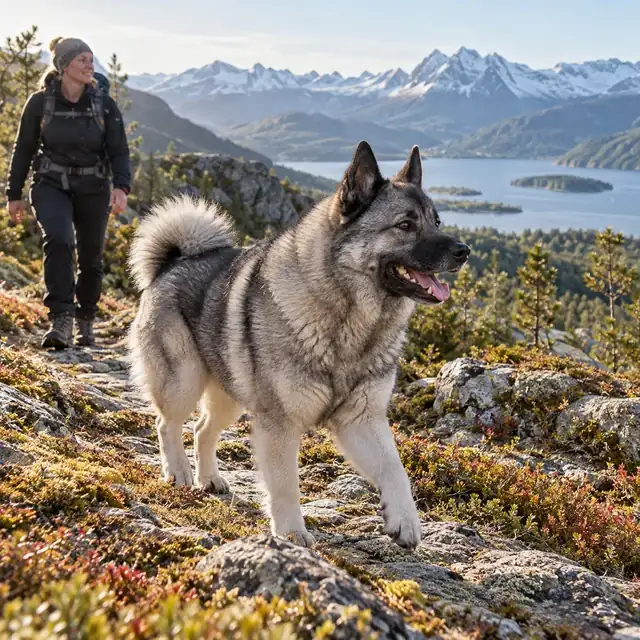
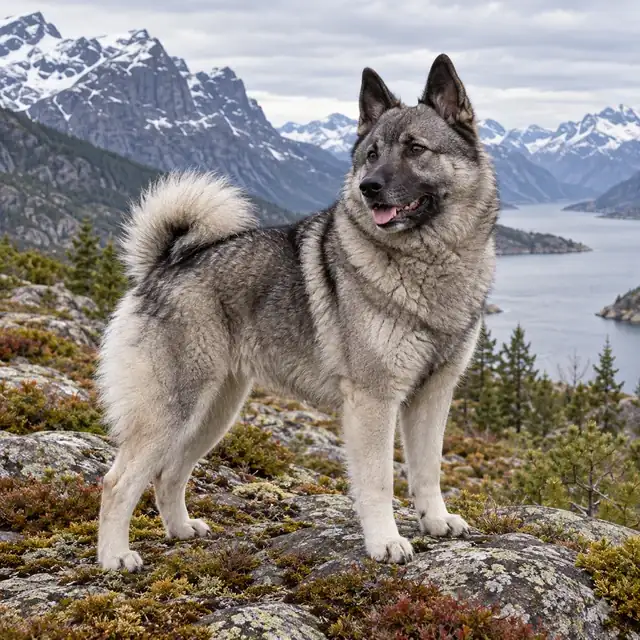
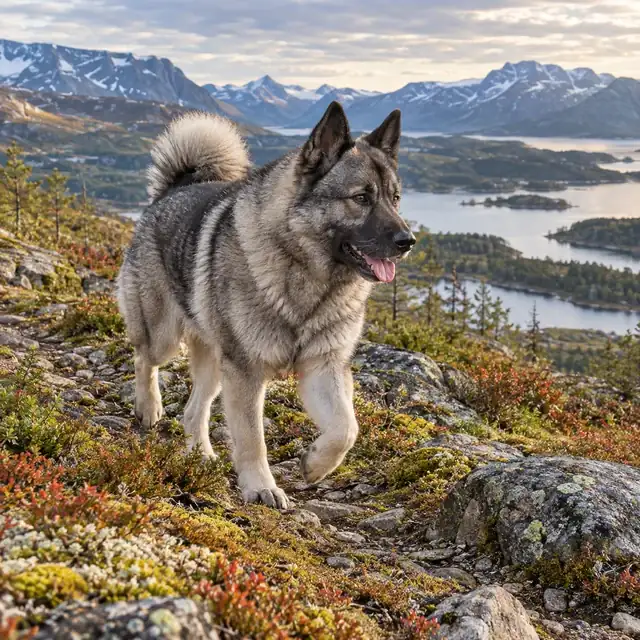
The Gray Norwegian Elkhound is a sturdy medium (61-69 cm) spitz hunter with a thick gray coat tipped with black. Friendly, smart and independent, playful; needs solid, consistent education and training. She sheds profusely twice a year.
Suitable for active owners with a yard and experience with hunting breeds. Bored without activities.
High: daily walk and active games.
Independent, needs firm, consistent upbringing and interactive games.
The wool is combed about twice a week so that it does not stray, and during the molting season every day. Ears are examined, claws are trimmed.
Playful, but children treat him carefully, supervision is mandatory.
Gets along with other dogs. The hunting instinct is preserved, therefore small animals are prey.
Estimates help compare breeds. For zooaggression, 5/5 means less tendency to aggression towards dogs. The behavior and health of a particular dog depend on many factors.
Medium-high score: friendly and intelligent. Behavior depends on upbringing.
Average score: independent.
Average score: gets along with dogs, prey on small animals.
In the British cohort, the median lifespan of the breed was 12.9 years; small sample: 64 deaths. The absence of the mentioned risk does not prove the absence of hereditary diseases.
Medium-low rating: thick coat and abundant shedding.
Breed screening: detailed data on hereditary diseases of the Norwegian Gray Elkhound breed are scarce. Ask the breeder for documentary results of examinations of both parents and current recommendations of the club.
Musculoskeletal apparatus: for the "Grey Norwegian Elkhound" breed, the load is selected according to age and condition. Limping, pain or reluctance to move is a reason to consult a veterinarian.
Heart and eyes are included in the list of annual examination. How often to do special examinations is suggested by the breed club and the doctor. Ask the breeder what tests the parents have passed.