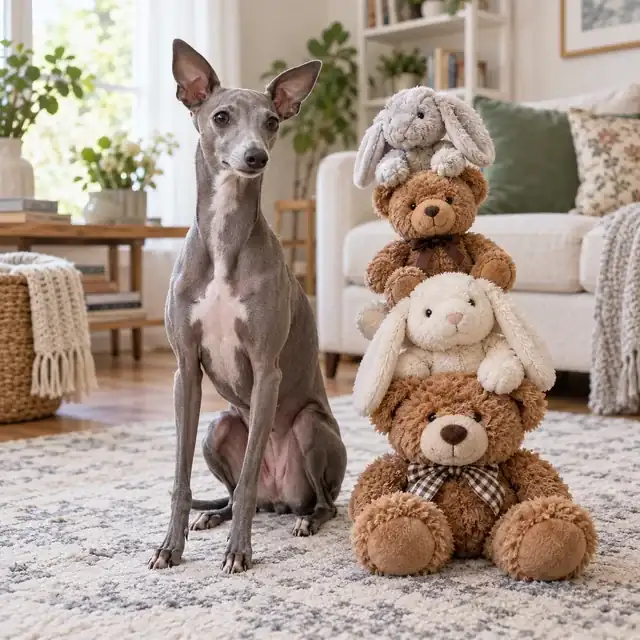
Human orientation
Very high rating: gentle, attached to the owner, needs his attention.
THE PAW CATALOG
Origin: Italy
It is believed to be descended from the dogs of Ancient Egypt, and they were brought to Italy by Roman soldiers. The breed became popular in Europe and came to England at the courts of the Stuarts and Queen Victoria. It was probably used for hunting small game and as a house dog.
The lapdog, or Italian greyhound, is a miniature (32-38 cm, 3.6-4.5 kg) elegant dog with thin, smooth fur. Lively, attentive, very intelligent and attached to the owners, reserved at first to guests. It is cold and has fragile paws, so it needs careful handling and a warm place.
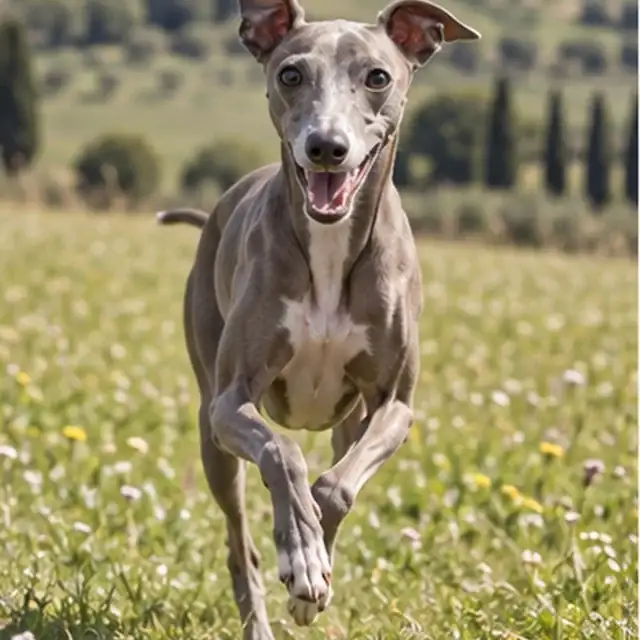
Suitable for an apartment. He likes comfort and a warm bed, so he enjoys the sun in the summer, and needs clothes in the cold. Does not like loneliness.
Regular walks on a leash or runs in a well-fenced area are necessary. They are not let loose: the dog is inquisitive and can climb out or dig in. They watch that she does not gain weight.
Very smart and a quick learner, but can be cranky. Relaxed classes with treats. Toilet training takes patience.
Smooth wool requires almost no care: it is enough to wipe with a clean cloth or brush, dry after bathing. Claws are trimmed, teeth are cleaned especially carefully. A warm bed without drafts is a must.
She is attached to her owners, but her paws are fragile, and children can accidentally hurt her. Rough games are dangerous for young children.
Generally gets along with other dogs, especially similar sized dogs. Greyhound instinct can be manifested in relation to small animals.
Estimates help compare breeds. For zooaggression, 5/5 means less tendency to aggression towards dogs. The behavior and health of a particular dog depend on many factors.
Very high rating: gentle, attached to the owner, needs his attention.
High score: intelligent and a quick learner, although she can be cranky.
Medium-high rating: gets along with dogs, greyhound instinct needs attention.
In the British cohort, the median lifespan of the breed was 14.0 years; small sample: 70 deaths. Among the described breed risks: thyroid dysfunction, progressive retinal atrophy, autoimmune diseases; examination of the parents is confirmed with the veterinarian.
Very high score: short, smooth coat with almost no odor.
Dysfunction of the thyroid gland is manifested by weight gain, lethargy and changes in the skin. Diagnosed by a veterinarian based on tests.
Progressive retinal atrophy is a hereditary eye disease that gradually leads to vision loss. There are DNA tests for many breeds, so kennels are vetted.
Autoimmune diseases are conditions when the immune system acts against its own tissues. The suspicion on them is transferred to the veterinarian. The thin paws of the dog are prone to fractures, so they avoid jumping from a height.