Human orientation
High score: Jack Russell is devoted to his family, although he is independent. Behavior depends on upbringing.
THE PAW CATALOG
Origin: Great Britain; development in Australia
Bred at the beginning of the 19th century in England by the Reverend John "Jack" Russell of Devon, a fox hunter who wanted an agile, lively dog, able to follow hounds and crawl after the animal into the hole. In Australia, the Jack Russell Terrier Club led the development of the breed until the ANKC recognized it in 1991.
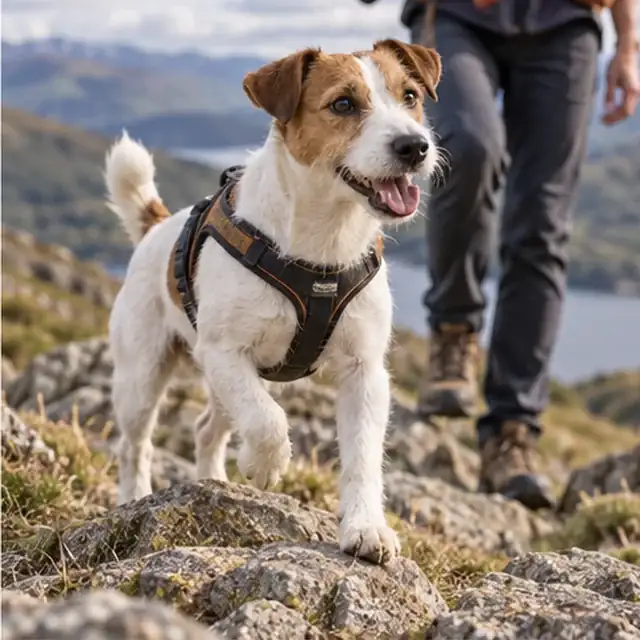
The Jack Russell Terrier is a short (25-30 cm, 5-6 kg) lively terrier bred to work underground, mostly white with black, red or brown spots. Courageous, tireless and independent, at the same time devotedly loves his family. Needs daily work, safe enclosure and strong character of the owner.

Suitable for a house or apartment, if it receives attention and stress every day. Boredom destroys: "a bored dog is a destructive dog." Running away, digging and barking are typical consequences of lack of classes.
Daily walks and structured activities such as flyball and agility. Without it, it turns into a destroyer. A secure yard with a high fence is a must.
Smart, but strong-willed, independent and likes to dominate. Classes should be fast and varied: obedience, flyball, agility. Early socialization is a must.
All coat types are brushed at least once a week, with ears and claws checked. Stiff and broken wool is trimmed regularly to keep it water-repellent.
Devoted to the family, likes active games with older children. Because of the speed and temperament, games with babies are supervised, and children are taught to respect the boundaries of the dog.
The hunting instinct is very strong, so rodents and small animals are its prey. Disputes are possible with other dogs, in particular with the same sex.
Estimates help compare breeds. For zooaggression, 5/5 means less tendency to aggression towards dogs. The behavior and health of a particular dog depend on many factors.
High score: Jack Russell is devoted to his family, although he is independent. Behavior depends on upbringing.
Average score: smart, but strong-willed, needs quick and varied activities.
High score for companionship with dogs, but preys on small animals: requires control.
In the British cohort, the median lifespan of the breed was 13.3 years. Among the described breed risks: dislocation of the patella, hearing impairment, eye diseases; examination of the parents is confirmed with the veterinarian.
Average score: care depends on the coat type, but weekly brushing is a must.
Dislocation of the patella is common in small breeds. Signs: episodic limping or jumping on the paw. The degree is assessed by a veterinarian.
Hearing impairment is mentioned among possible risks. Hearing is checked by a veterinarian, and the breeder is asked for the results of examinations of the parents.
Eye diseases are possible in separate lines. A prophylactic eye examination is appropriate per club recommendations, and clouding or redness requires examination.