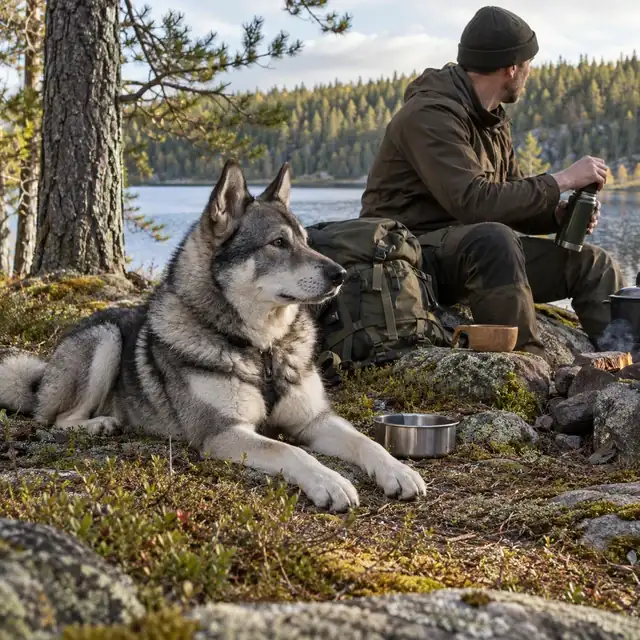
Human orientation
Gentle with the family, willing to please the owner.
THE PAW CATALOG
Origin: Sweden
A hunting spitz from the north of Europe, named after the Swedish province of Jämtland. Swedish breeders led by Axel Lindström achieved official recognition in 1946. Before that, it and the Norwegian Elkhund were considered the same breed. Historically hunted bear, elk, wolf and lynx. Appreciated for the ability to transition from hunting to home life.
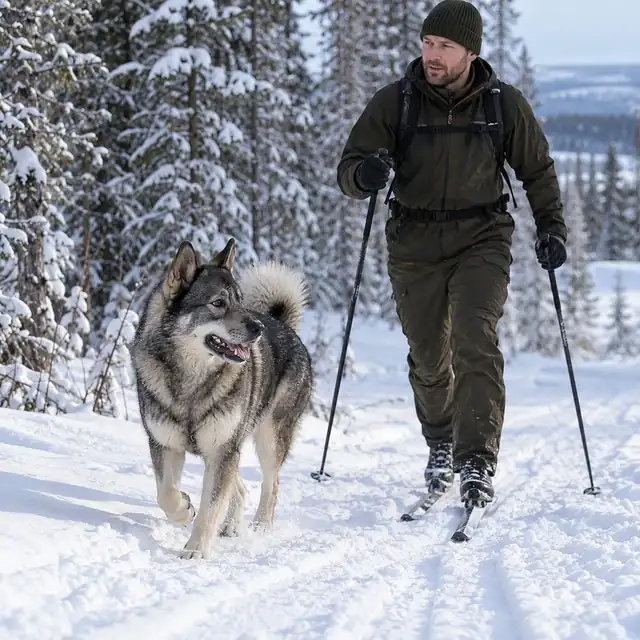
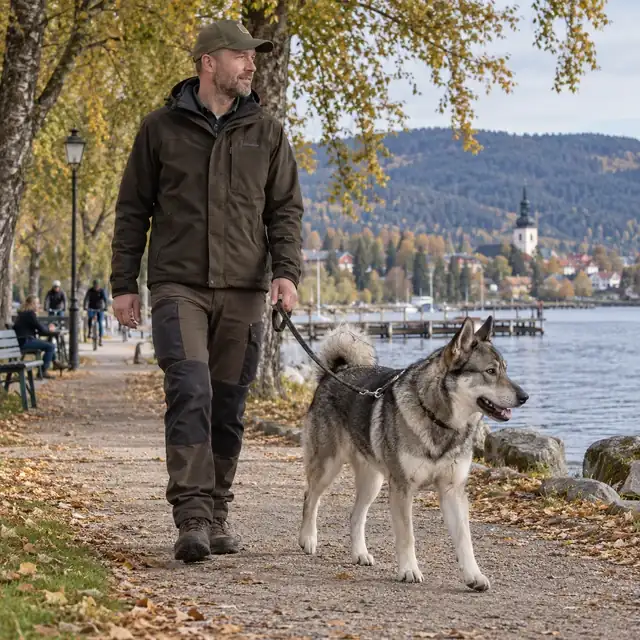
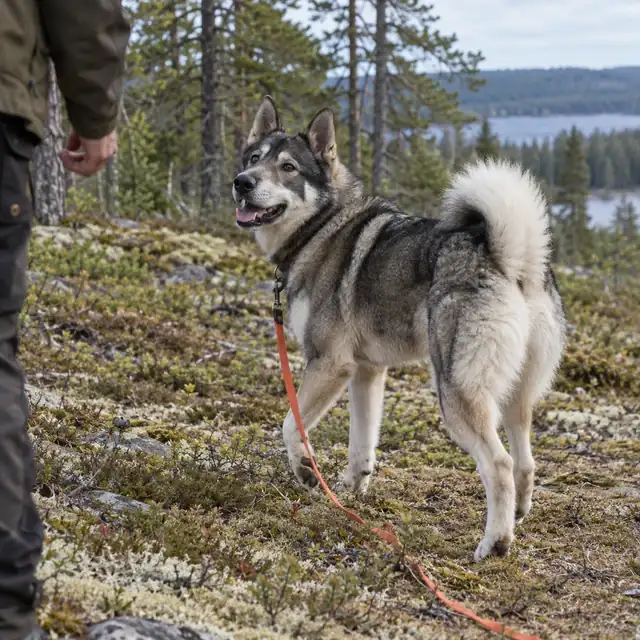
Yemthund (Swedish moose dog) is a large (57-65 cm and 30-35 kg in males, 52-60 cm and 25-30 kg in females) spitz with long, stiff gray "agouti" hair. Calm and gentle with the family, stable under pressure. Can dominate other dogs and has a strong hunting instinct. Willingly learns and gladly pleases the master. Needs a lot of movement and space.
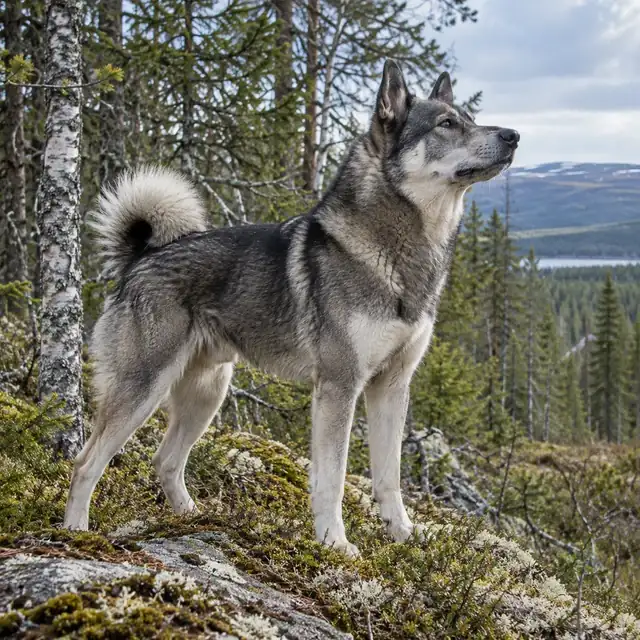
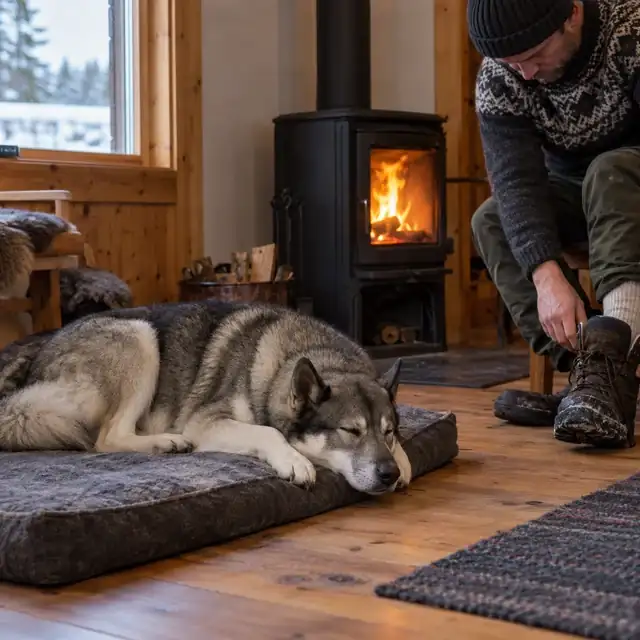
Suitable for hunters and active owners with a large plot. Not suitable for a cramped apartment. Calm at home if he gets enough exercise.
High Long daily walks, hikes, running in a safe area and sniff work.
Willingly learns and gladly pleases the master. Early socialization is essential, especially with other dogs, as the breed can be dominant. Classes are varied, with rewards.
The long hard coat is combed once a week, more often during shedding. Ears, teeth and claws are examined regularly. After hiking, they look for ticks.
Calm and gentle with family. Due to its size and strength, children and the dog are under adult supervision.
Can dominate other dogs, hunting drive is strong. Small animals are not left unattended. Early acquaintances help.
Estimates help compare breeds. For zooaggression, 5/5 means less tendency to aggression towards dogs. The behavior and health of a particular dog depend on many factors.
Gentle with the family, willing to please the owner.
Willing to learn, but needs early socialization with dogs.
Can dominate dogs and has a strong hunting instinct.
There is no comparable survival estimate for the breed in the British cohort used. The absence of the mentioned risk does not prove the absence of hereditary diseases.
The long stiff coat requires regular brushing.
Breed screening: there are few descriptions of hereditary diseases of the Yemthund breed. Ask the breeder for the written results of the parents' examinations and the current requirements of the club.
Musculoskeletal system: the growth and load of the Yemthund dog are adjusted to its age. If lameness or pain occurs, a veterinary examination is required.
Eyes and heart need regular attention from a doctor. The need for individual tests is determined by club recommendations and the dog's age. Do not delay new symptoms, such as blurred vision or shortness of breath, until your next appointment.