Human orientation
Gentle with loved ones, but independent and reserved with strangers.
THE PAW CATALOG
Origin: Japan
The origin is unknown: it is associated with China, Korea or Buddhist monks. The breed came to Japan 500-1000 years ago, where it was patronized by emperors and aristocrats. It became known in the West after Japan opened up to trade in 1854, and was prized by European connoisseurs, including Queen Alexandra.
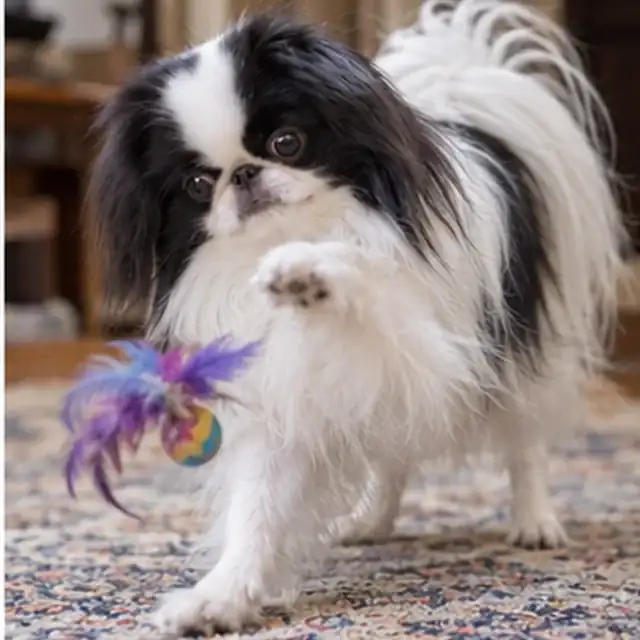
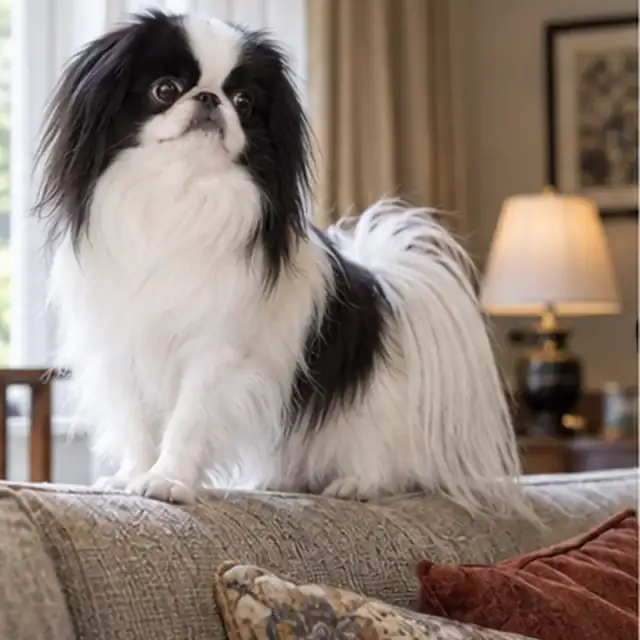
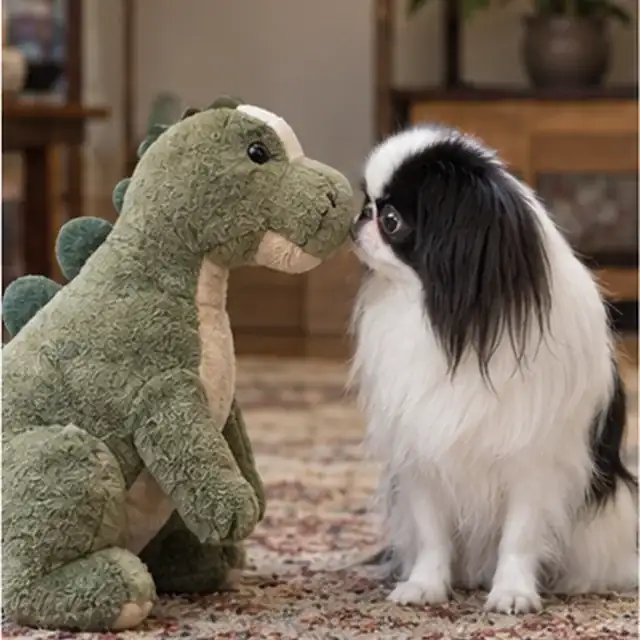
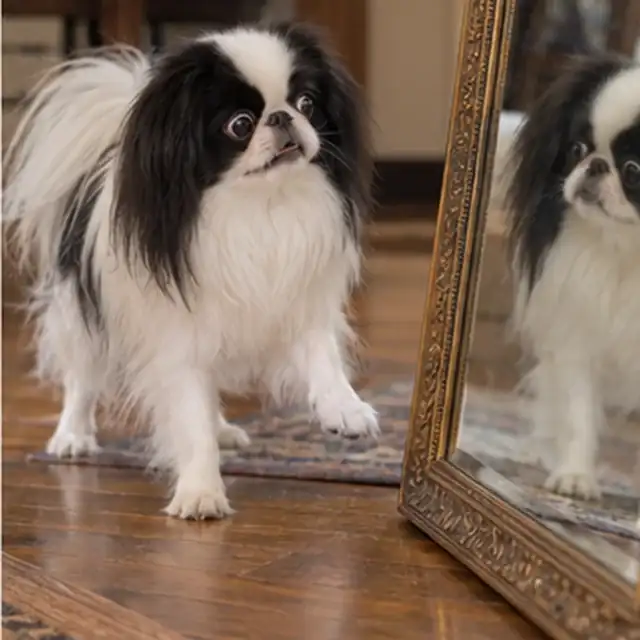
The Japanese Hin is a small (about 1.8-3.2 kg) decorative dog with long silky hair and a flat face. Intelligent, sensitive and gentle with those he knows, at the same time independent and reserved with strangers. Can be stubborn and strong-willed. Known for his funny antics and feline disposition. He rarely barks, but he is a watchful watchman.
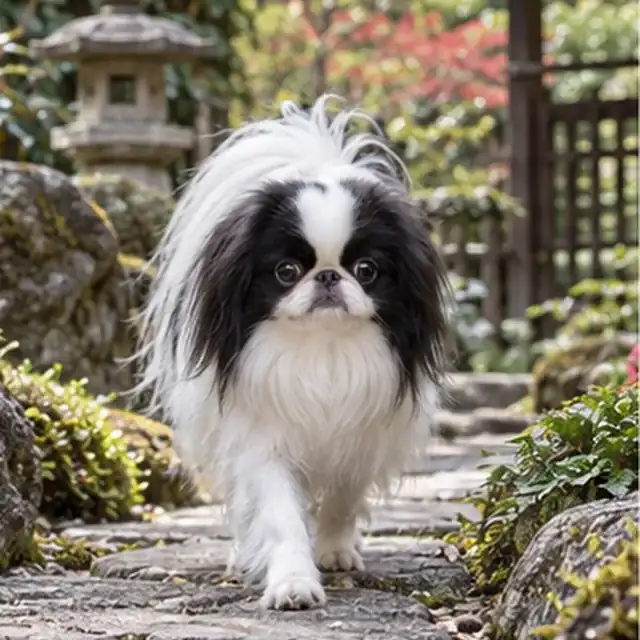
It is suitable for living in an apartment, because it does not require long movement. He feels good both himself and in his family. Due to its flat face, it does not tolerate heat and cold well, so walks in extreme weather are shortened.
Moderate Short walks are enough, long periods of movement are not necessary. Happy to play at home.
Basic obedience is a must, especially given stubbornness. Classes are short, with treats and praise. Early socialization helps reduce reticence with strangers.
The coat seems difficult, but care is required: combing several times a week and bathing once every few weeks, depending on the conditions. Claws grow quickly, they are trimmed regularly. Ears are checked for sulfur, teeth are brushed often.
Suitable for both single people and families. Small children and the dog are always supervised by an adult. A small, fragile dog is easily injured.
Usually gets along well with dogs and cats after acquaintance, especially with early socialization.
Estimates help compare breeds. For zooaggression, 5/5 means less tendency to aggression towards dogs. The behavior and health of a particular dog depend on many factors.
Gentle with loved ones, but independent and reserved with strangers.
Intelligent, but stubborn character requires patience.
Usually friendly with other animals with early socialization.
In the British cohort, the median lifespan of the breed was 12.5 years. Among the described breed risks: epilepsy, dislocation of the patella, cataract; examination of the parents is confirmed with the veterinarian.
Long hair requires regular brushing, and a flat face requires attention to breathing.
Epilepsy is manifested by convulsive attacks, which must be shown to the veterinarian. It is useful to record the duration and frequency of attacks on video or in notes.
With dislocation of the patella, the dog suddenly bends its hind leg while walking. Mild forms are often only controlled, and severe ones may require surgery. It is better to ask the breeder about similar cases in the pedigree.
Cataract: clouding of the lens; regular examinations by a veterinary ophthalmologist, changes in vision or the appearance of the eyes are not ignored.