Human orientation
Likes to be around people and willingly spends time together.
THE PAW CATALOG
Origin: Japan
Bred in Japan by crossing smooth-haired fox terriers, which were brought from the Netherlands to Nagasaki in the 17th century, with small pointers or small local dogs. They were kept mainly as house dogs in the port cities of Kobe and Yokohama. Purposeful breeding began around 1920, and the type was largely established by 1930.
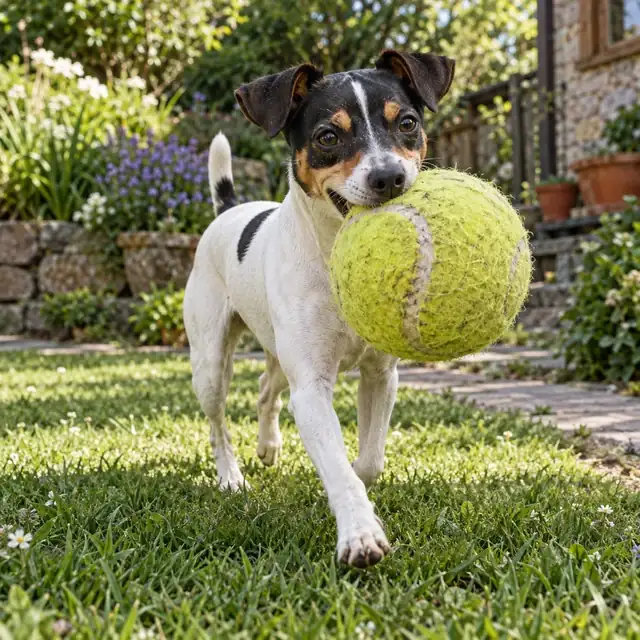
The Japanese terrier (Nihon teriya) is a small (about 30-33 cm) square-built dog with a very short, smooth, shiny coat. Fast, lively and cheerful. White base with black and red spots, tricolor head. Most often, a companion who likes to be around people. Like many terriers, needs training and active games.
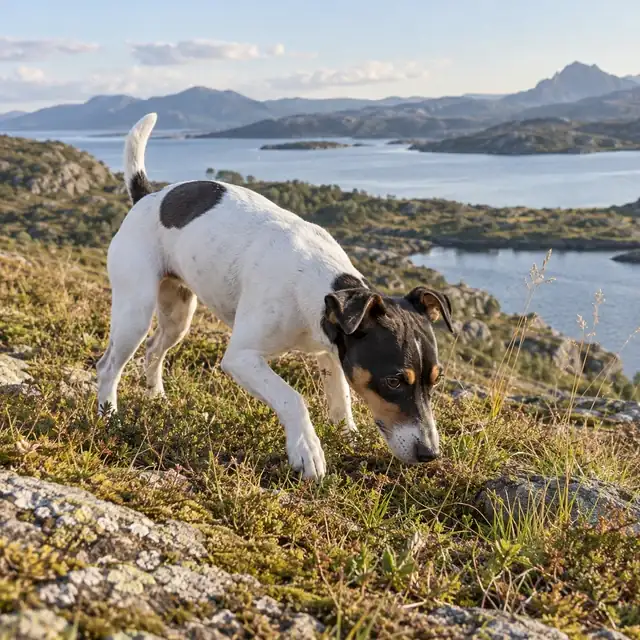
Well suited for living in an apartment with daily walks and games. Likes to be around people. Short fur does not protect well from the cold, so clothes are needed in winter.
Moderate Daily walks and games. Lively, likes to run and play.
Quick and smart, but terrier independence requires patience. Classes are short, with treats. Early socialization helps to raise a well-balanced dog.
The very short, smooth coat, about 2 mm long, requires minimal maintenance: wiping with a wet glove or brush once a week. Claws are trimmed, ears and teeth are inspected.
Lively and cheerful, usually friendly with children. Small children and the dog are not left unattended, because the dog is fragile. Children are taught not to lift it without help.
The terrier's instinct is aimed at rodents, so small animals are not left unattended. It usually gets along with dogs and cats after early socialization.
Estimates help compare breeds. For zooaggression, 5/5 means less tendency to aggression towards dogs. The behavior and health of a particular dog depend on many factors.
Likes to be around people and willingly spends time together.
Quick, but independent, the terrier character requires patience.
Generally friendly, but perceives rodents as prey.
There is no comparable survival estimate for the breed in the British cohort used. Among the described breed risks: dislocation of the patella; examination of the parents is confirmed with the veterinarian.
Very short hair does not require complex care.
Dislocation of the patella is manifested by periodic "jumping" on the hind leg. Mild forms are often only controlled, and severe ones may require surgery. It is better to ask the breeder about similar cases in the pedigree.