Human orientation
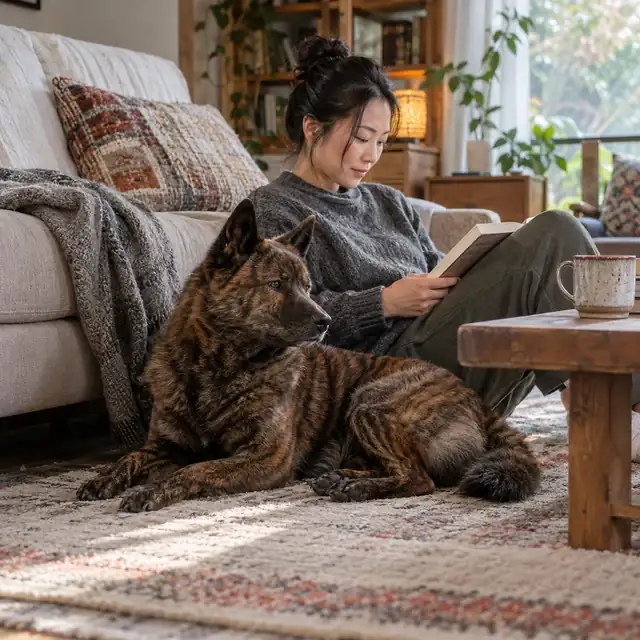
Average score: devoted to family, but reserved with strangers. Behavior depends on socialization.
THE PAW CATALOG
Origin: Japan
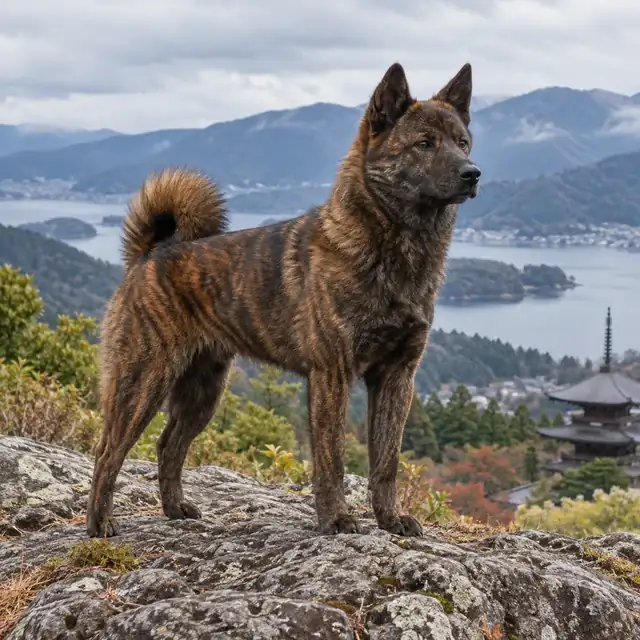
A Japanese breed of mountain hunter, ancient and rare. It is believed that its history is thousands of years old. Today, kai remains rare, but it is not disappearing.
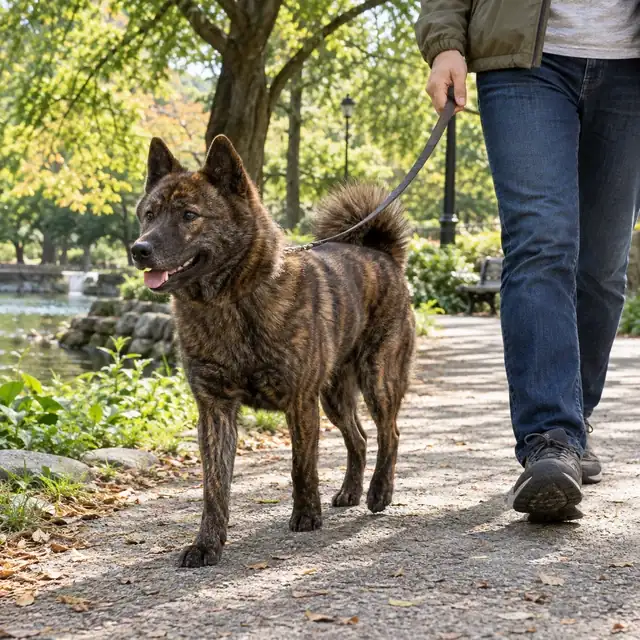
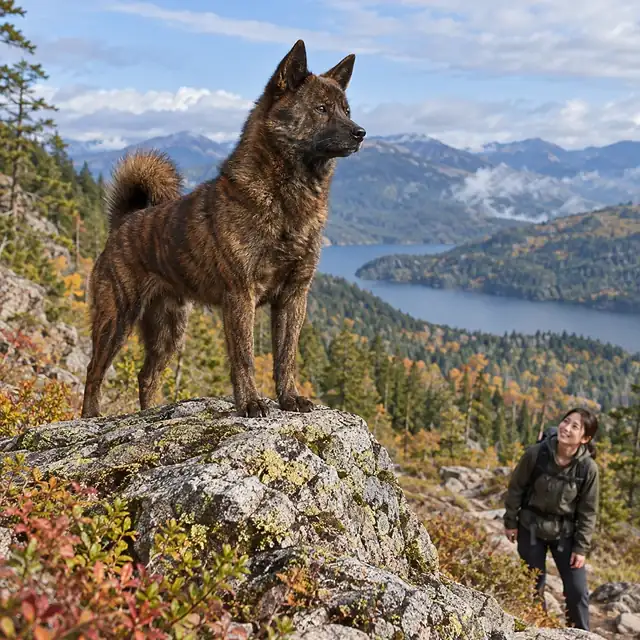
Kai (kai-ken) is a medium-sized Japanese hunter (46-56 cm) with thick double-layered tiger fur: red or black with dark stripes. Faithful, alert, reserved with others, smart and brave. Needs daily walks, early socialization and a patient owner.
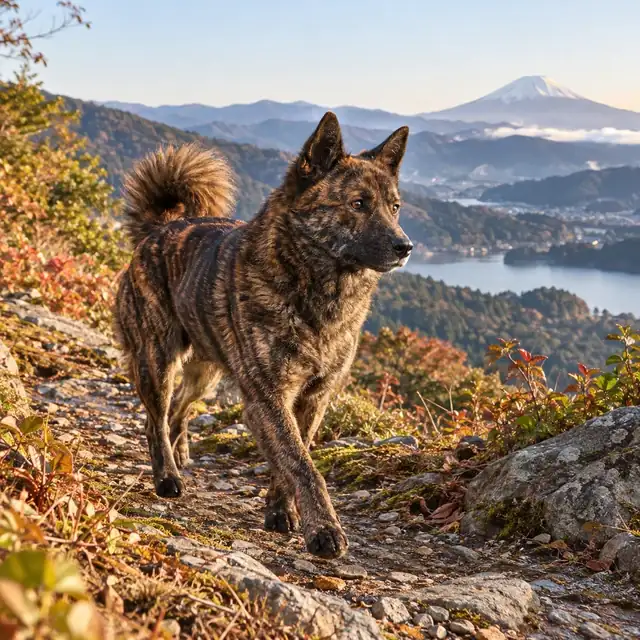
Suitable for families ready for daily activity and patient upbringing. It's rare to be bored when there's something to do, and being alone can destroy things. Females are usually more attached to strangers, males are more independent.
At least thirty minutes of walking every day plus play, fetch, mental games. Without movement, it is boring and destructive.
Smart, willing to please his family, but reserved with strangers. Early socialization helps him to be confident with new people and animals. Classes are short, with a reward.
Mostly takes care of himself. The wool is combed two or three times a week, during the molting period every day. Bathing is usually not necessary, the claws are trimmed.
Attached to the family and gentle with it, but reserved with strangers. Children who behave quietly and politely find a common language with him.
The hunting instinct remains, so small animals are at risk. Early socialization helps, and acquaintance with other dogs is gradual.
Estimates help compare breeds. For zooaggression, 5/5 means less tendency to aggression towards dogs. The behavior and health of a particular dog depend on many factors.
Average score: devoted to family, but reserved with strangers. Behavior depends on socialization.
Average score: intelligent and willing to learn, but independent.
Average score: the hunting instinct for small animals needs to be controlled.
The survival rate of the Kai breed in the British cohort is not comparable. The absence of the described risks does not guarantee the absence of hereditary diseases, so the breeder is asked for the results of the parents' examinations.
High score: the dog takes care of itself a lot, combing several times a week.
Breed screening: there are few descriptions of hereditary diseases of the "Kai" breed. Ask the breeder for the written results of the parents' examinations and the current requirements of the club.
Musculoskeletal apparatus: the growth and load of the "Kai" breed should correspond to its age. Lameness, pain, or reluctance to move require a veterinary examination.
A preventive examination of the Kai breed includes an evaluation of the eyes, heart and ears. The frequency of special inspections is determined by the recommendations of the club and the veterinarian.