Human orientation
High score: devoted to family, although reserved with strangers and independent. Behavior depends on socialization.
THE PAW CATALOG
Origin: Slovenia
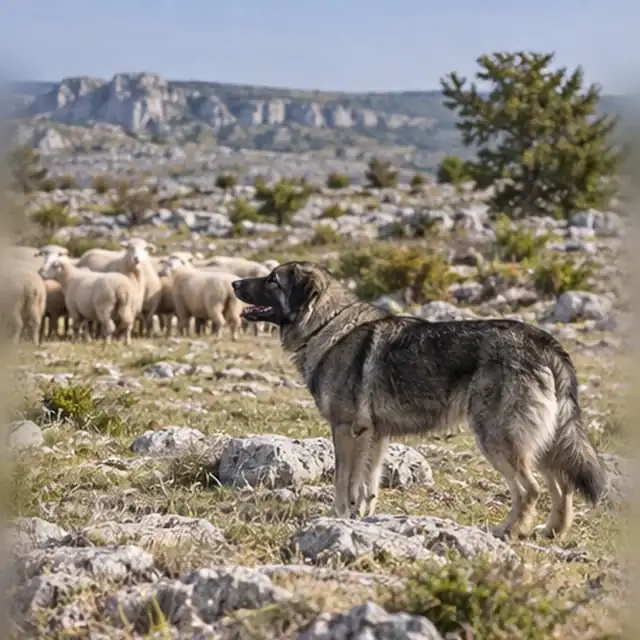
It comes from Slovenia and is named after the Karst Plateau. Her ancestors are associated with ancient nomadic shepherds. In 1689, Johann Weihard von Walvasor described the local sheepdogs as strong and fearless. At first it was called the Illyrian Shepherd (1939). The breed is recognized by FCI and UKC.
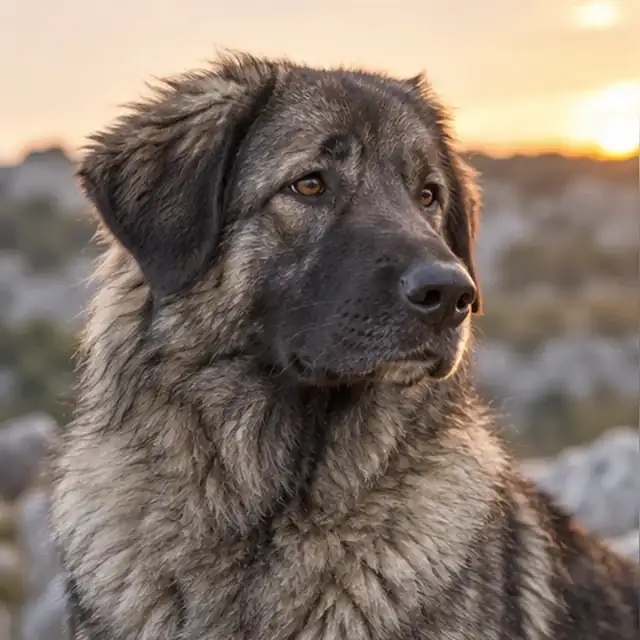
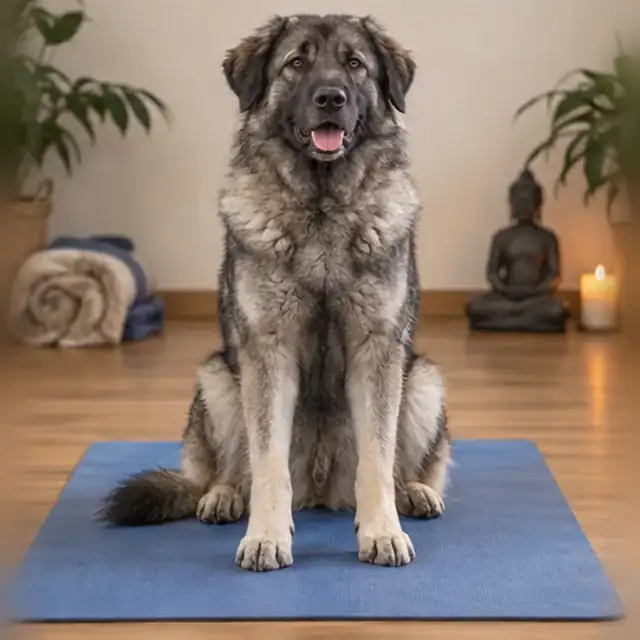
The Karst Shepherd Dog is a medium-sized Slovenian shepherd and guard dog (54-63 cm) with long, thick, iron-gray fur and a neck mane. Wary of strangers, independent and an excellent bodyguard. Needs early socialization and an owner who understands herd guardians.

Suitable for owners with a yard who understand herd guardians. Depending on socialization, it can be either a guardian of livestock or a companion. The behavior of individual dogs varies.
Daily walks and space for movement. This is a working guard dog that needs exercise and territory.
Independent and wary of strangers, therefore early socialization is necessary. Classes are short, with a reward. Strength training does not work.
Long thick wool with a mane is combed twice a week, during the shedding period every day. Claws are trimmed, ears and teeth are inspected.
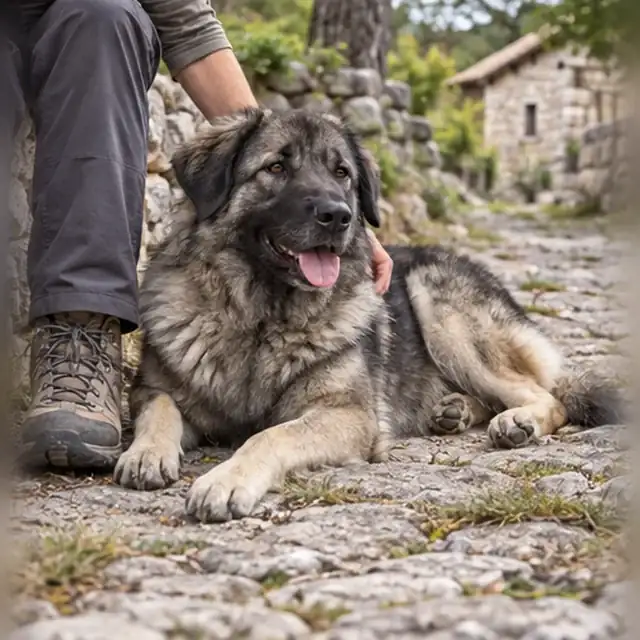
With proper socialization, it can be a family dog, but its protective instinct and size require supervision, especially with other people's children.
He protects his livestock or family animals, perceives strangers warily. Acquaintances are carried out gradually.
Estimates help compare breeds. For zooaggression, 5/5 means less tendency to aggression towards dogs. The behavior and health of a particular dog depend on many factors.
High score: devoted to family, although reserved with strangers and independent. Behavior depends on socialization.
High Score: Intelligent and learns well with early socialization.
Average score: the protective instinct can be manifested in relation to unfamiliar animals.
There is no comparative survival assessment of the Karst Shepherd breed in the British cohort. The absence of said risk does not prove the absence of hereditary diseases, so screening of parents is important.
High rating: long coat needs brushing, but ruffs are rare.
Breed screening: there are few descriptions of hereditary diseases of the Karst Shepherd Dog breed. Ask the breeder for the written results of the parents' examinations and the current requirements of the club.
Musculoskeletal apparatus: the growth and load of the Karst shepherd breed should correspond to the age. Lameness, pain, or reluctance to move require a veterinary examination.
The preventive examination for the "Karst Shepherd" breed covers the eyes, heart and ears; the breed club and veterinarian will tell you how often to do special checks.