Human orientation
High score: Komondor is devoted to family and owner. Behavior depends on socialization.
THE PAW CATALOG
Origin: Hungary
The breed is descended from Tibetan dogs and came to Hungary in the 12th and 13th centuries with the nomads who were driven west by the Mongols. It was bred to protect livestock and property, now it is one of the national treasures of Hungary.
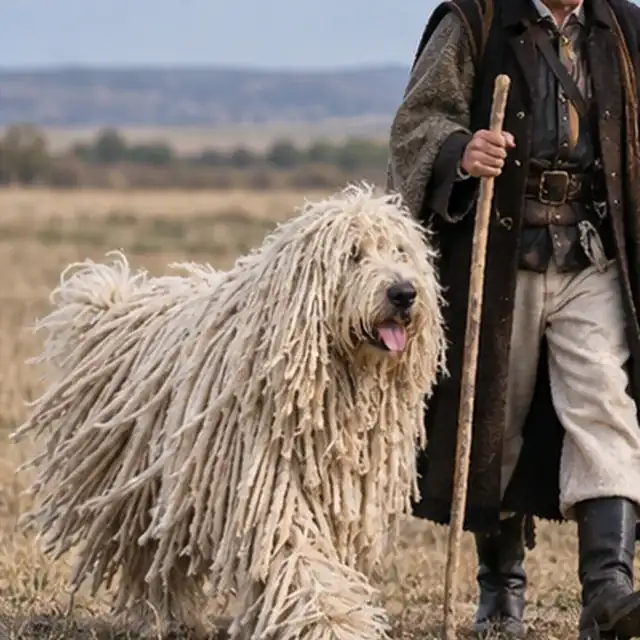
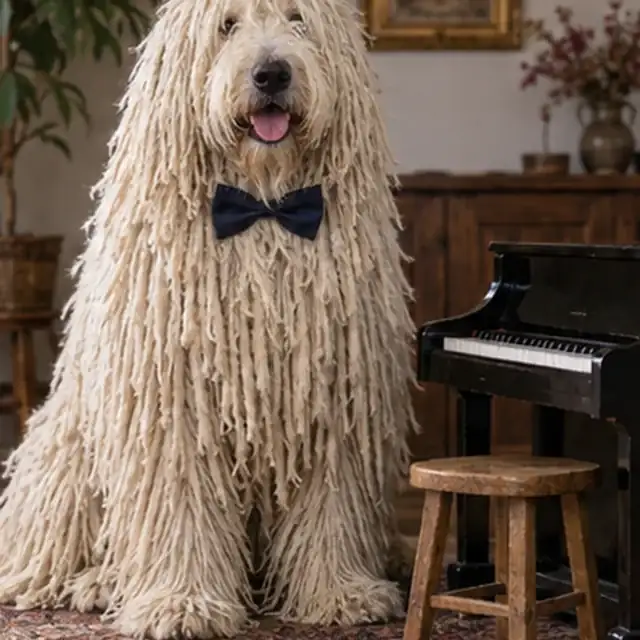
The Komondor is a large Hungarian shepherd guard (males about 70 cm and 50-60 kg) with snow-white fur that forms long cords similar to dreadlocks. Brave, suspicious of strangers and loyal to the owner. Requires an experienced owner, early socialization and very laborious grooming.
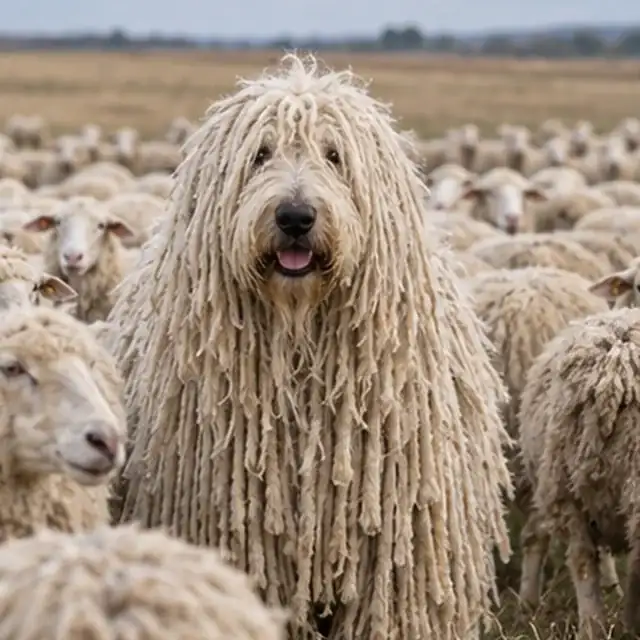
Suitable only for owners with a large area and experience in keeping protective breeds. Early socialization and obedience training is a must. Komondor is not suitable for beginners and timid owners.
Does not require extreme loads, but must move daily and guard the territory. Puppies are restricted from jumping.
Brave and suspicious of strangers, independent. Consistency, calm authority and socialization from a puppy age are required. Does not withstand rough pressure.
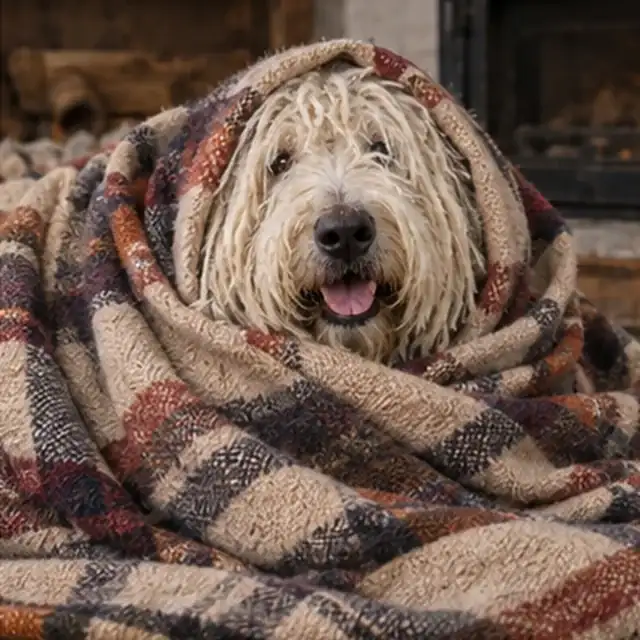
The wool cords are regularly separated to prevent tangles and to remove dirt. Bathing and drying a komondor takes a whole day. Ears, claws and teeth are examined.
Protects his family, but his size and protective instinct require constant supervision, especially in the presence of other people's children.
He protects his livestock and pets, unfamiliar animals on the territory can cause a reaction. Acquaintances are carried out gradually.
Estimates help compare breeds. For zooaggression, 5/5 means less tendency to aggression towards dogs. The behavior and health of a particular dog depend on many factors.
High score: Komondor is devoted to family and owner. Behavior depends on socialization.
Medium-high rating: intelligent, but independent and suspicious of others.
Low score: A strong protective instinct may be shown towards unfamiliar animals.
There is no comparable survival estimate for the breed in the British cohort used. Among the described birth risks: dysplasia of the hip joints, bloat or twisting of the stomach; examination of the parents is confirmed with the veterinarian.
Very low rating: Corded wool requires regular separation, long bathing and drying.
Hip dysplasia occurs in large breeds. The results of examinations of both parents are requested, and the weight is kept within the norm.
Bloating or twisting of the stomach is a life-threatening condition. They feed in small portions, avoid loads before and after meals, and immediately go to the veterinarian at the first signs.