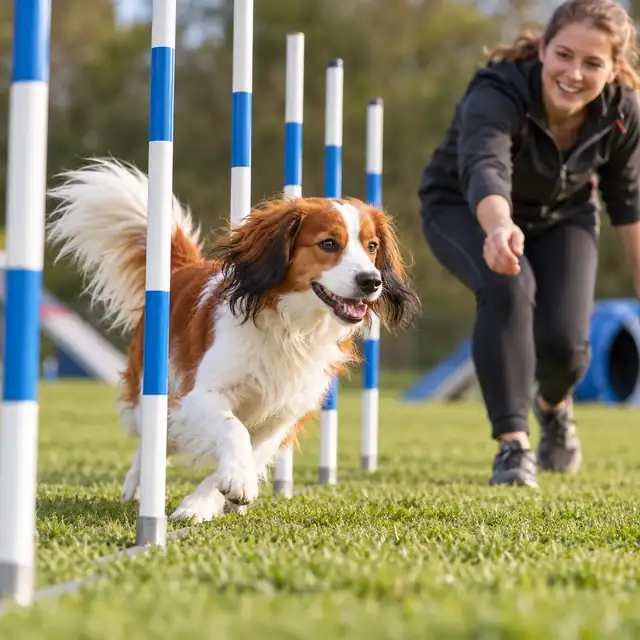
Human orientation
High score: Koickerhondje is attached to the family. Discreet with strangers.
THE PAW CATALOG
Origin: The Netherlands
Bred in the Netherlands to help hunters lure ducks into duck traps. In the 20th century, popularity fell because this method of hunting disappeared. The restoration of the breed was facilitated by Baroness van Gardenbroek van Amerstorm, and the Dutch breed club was created in 1967. AKC recognized her in 2018.
Koijkerhondje is a small Dutch hunting dog (38-41 cm, 9-14 kg) with white fur and orange-red spots, with black "earrings" on the ears. Lively, alert, attached to the family, reserved with strangers. Needs early socialization, mental challenges and weight control.
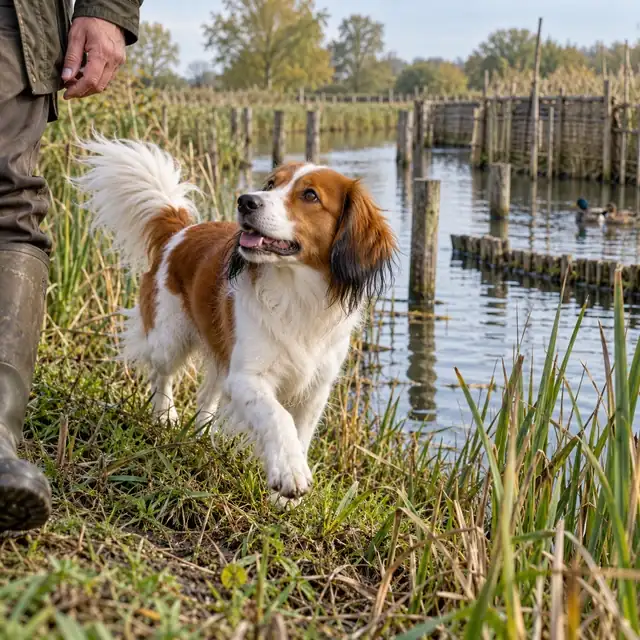
Suitable for an active family that gives the dog exercise and mind games. At home, he likes to be around people. Can bark and guard its belongings, so resourceful behavior needs attention.
Regular movement and mental load even in the presence of a large yard. Appetite is large, so without movement quickly gains weight.
Trainable and playful, but needs early socialization. Works well in agility, obedience, rail, barn hunt and flyball. Resource guarding and barking are corrected from puppyhood.
The coat is easy to care for, but it is often combed, especially during the molting season. Sometimes they bathe, examine their ears, brush their teeth every day, and trim their nails.
She is attached to her family and willingly plays. She is reserved with strangers, so children-guests need a controlled introduction.
Can be temperamental with other dogs if not socialized. The hunting instinct for ducks and small animals is preserved.
Estimates help compare breeds. For zooaggression, 5/5 means less tendency to aggression towards dogs. The behavior and health of a particular dog depend on many factors.
High score: Koickerhondje is attached to the family. Discreet with strangers.
High rating: trained and willing to learn, but needs early socialization.
Average score: conflicts are possible with other dogs, and the hunting instinct remains.
There is no comparable survival estimate for the breed in the British cohort used. Among the described breed risks: epilepsy; examination of the parents is confirmed with the veterinarian.
Medium-high grade: coat needs frequent brushing, and weight and teeth control is mandatory.
Epilepsy is mentioned as one of the risks in a breed with a limited gene pool. Ask the breeder about cases of convulsions in the line, and at the first attacks contact the veterinarian. Von Willebrand's disease, polymyositis, Entlebucher's urinary syndrome, dislocation of the patella, kidney dysplasia and eye diseases are also described in the breed; genetic testing and responsible breeding reduce the risks.