Human orientation
Average score: devoted to one person, but reserved with strangers. Behavior depends on upbringing.
THE PAW CATALOG
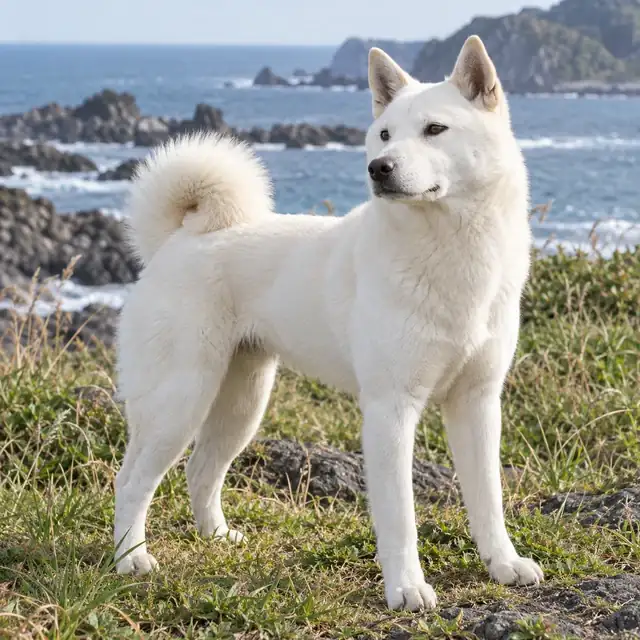
Origin: South Korea
The local dog of Chindo Island and one of the national treasures of South Korea. Professor Tamezo Mori explored it in 1937, and in 1962 the government declared Jindo a natural monument. Japanese biologists noticed similarities with Japanese aboriginal breeds, which helped it survive the colonial period. UKC recognized the breed in 1998, FCI - in 2005.
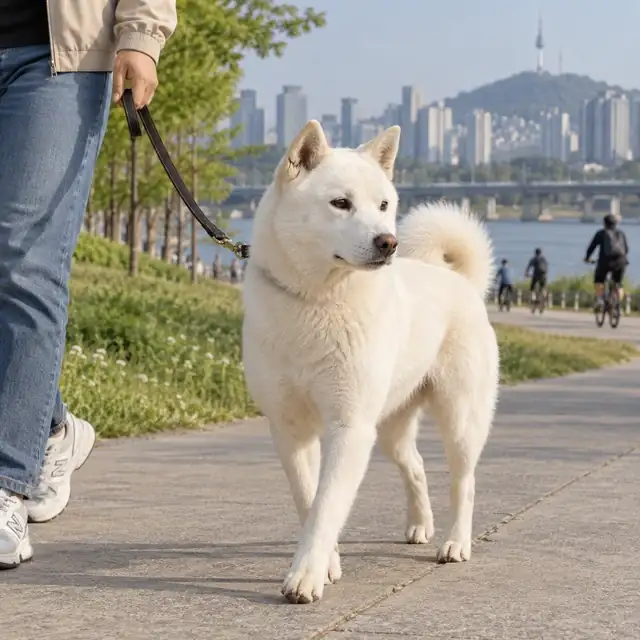
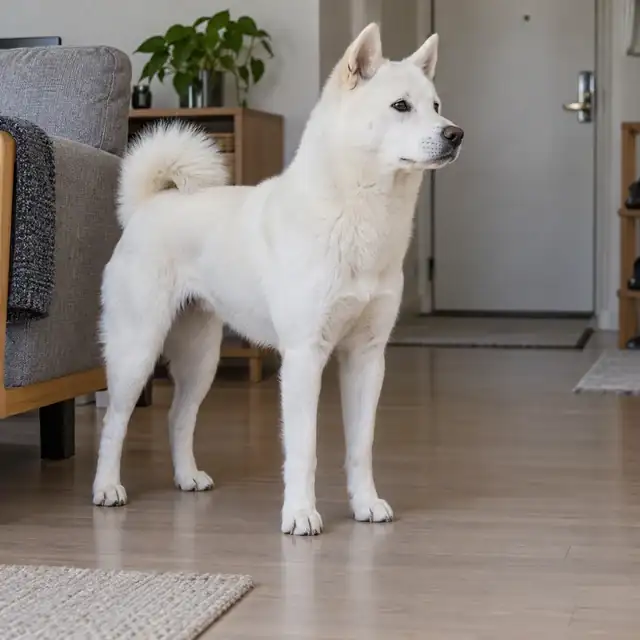
The Korean Jindo is a medium-sized (45-55 cm, 15-27 kg) Spitz from Chindo Island in South Korea, with a medium-length double coat. Loyal to one person, wary of strangers, agile, with a strong hunting instinct and a known ability to return home. Needs high fencing, socialization and an experienced owner.
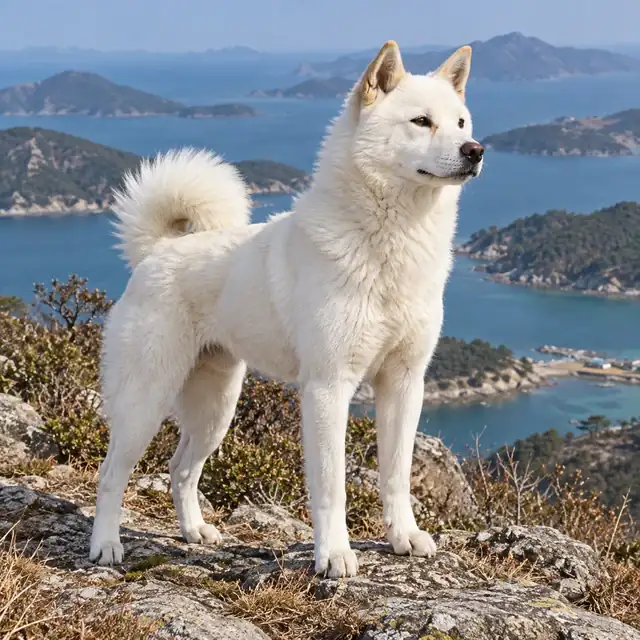
Suitable for owners with high fences, because strong hind legs allow you to jump over obstacles. Needs frequent interaction with people or other dogs, sometimes a clear understanding of the hierarchy in the family.
Medium-high: daily walks on a leash, games and mental tasks. Without movement and activities, he looks for a way out on his own.
Smart and clever, but independent. Early socialization and consistent upbringing are essential. Due to his strong attachment to one person, he is not considered suitable for detective or police work.
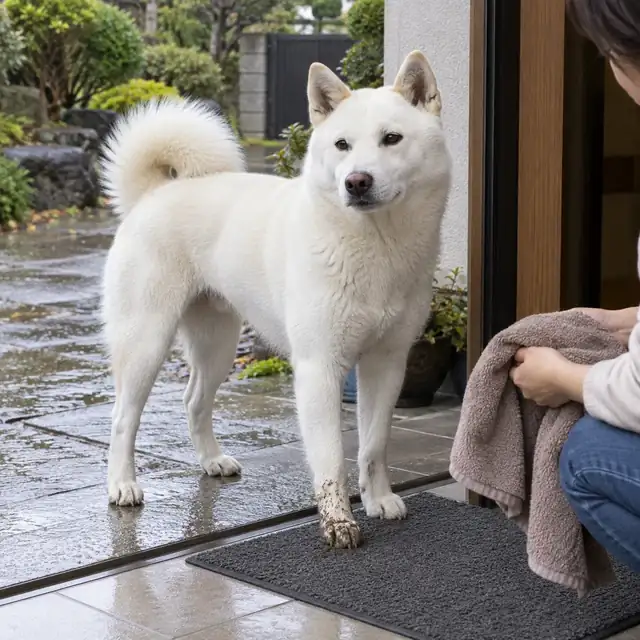
The double coat is combed weekly, and more often during shedding. Claws are trimmed, ears and teeth are inspected.
He is described as loyal and gentle, but wary of strangers. Contacts with children are supervised.
The hunting instinct is very strong, so small animals are perceived as prey. Conflicts are possible with dogs, especially without socialization.
Estimates help compare breeds. For zooaggression, 5/5 means less tendency to aggression towards dogs. The behavior and health of a particular dog depend on many factors.
Average score: devoted to one person, but reserved with strangers. Behavior depends on upbringing.
Average score: smart but independent.
Very low rating: strong hunting instinct and possible conflicts with other animals.
There is no comparable survival estimate for the breed in the British cohort used. Among the described breed risks: dysfunction of the thyroid gland; examination of the parents is confirmed with the veterinarian.
Average score: The double coat is combed weekly, and more often during shedding.
Dysfunction of the thyroid gland is manifested by weight gain, lethargy and changes in the skin. Diagnosed by a veterinarian based on tests.