Human orientation
Very high score: devoted to family, especially children. Behavior depends on socialization.
THE PAW CATALOG
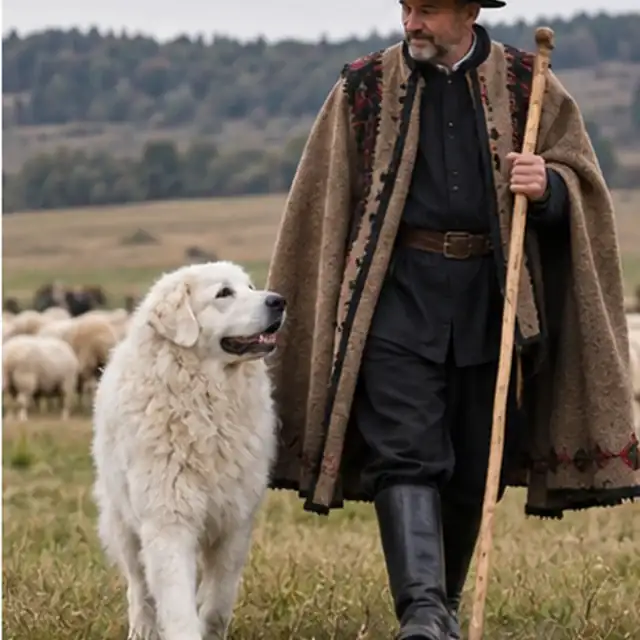
Origin: Hungary
It comes from Hungary during the Middle Ages, where it was a shepherd and guard dog. Many were trained to hunt large game such as bear and wild boar. The name comes from a Turkish word meaning "protector". After the Second World War, about thirty dogs remained, but ardent breeders revived the breed. Nowadays, kuvas is mostly a home guard and companion.
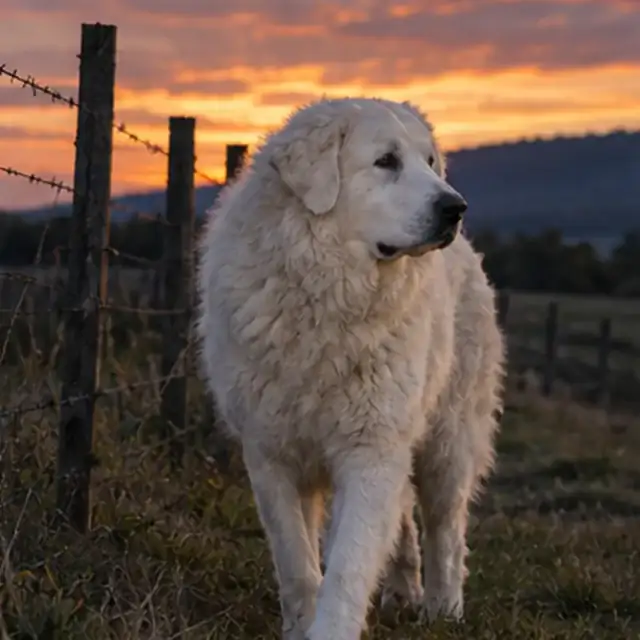
Kuvas is a large Hungarian guard dog (66-75 cm, 30-52 kg) with a thick wavy white coat. Brave, intelligent and loyal, very protective, especially of the children of the family. Needs early socialization, plenty of space and an experienced owner.

Suitable for a family with a large plot of land and experience in keeping guard dogs. Likes cold weather, can live outside in temperate to cool climates, but best has access to both the house and the yard.
Daily long walks or runs in a safe area are required. Able to trot 25-30 km straight.
Smart, but independent, so it needs early socialization and consistent education. You cannot call learning easy, expect patience and calm perseverance.
The wool is combed once or twice a week, more often in the period of strong molting. Ears are examined, nails are trimmed, teeth are cleaned.
Protective and attached to family children, however size and guarding instincts require supervision. He can perceive other children warily.
He protects his cattle and domestic animals. He can be intolerant of other people's dogs and animals, acquaintances are gradual.
Estimates help compare breeds. For zooaggression, 5/5 means less tendency to aggression towards dogs. The behavior and health of a particular dog depend on many factors.
Very high score: devoted to family, especially children. Behavior depends on socialization.
Average score: smart, but self-contained, so results depend on consistency.
Average score: protects his own, intolerant of other animals.
There is no comparable survival estimate for the breed in the British cohort used. Among the described breed risks: dysplasia of the hip joints, dysfunction of the thyroid gland, dislocation of the patella; examination of the parents is confirmed with the veterinarian.
High score: coat does not shed, care is moderate, but more frequent during shedding is required.
Dysplasia of the hip joints: the results of examinations of both parents are requested, the weight is kept normal, and lameness or stiffness after rest is shown to the veterinarian.
Dysfunction of the thyroid gland is manifested by weight gain, lethargy and changes in the skin. Diagnosed by a veterinarian based on tests.
A dislocation of the patella is often noticeable by short "bounces" on the hind leg during running. The degree is determined by the veterinarian, mild cases are only observed.
Progressive retinal atrophy is a hereditary eye disease that gradually leads to vision loss. Kennels are eye tested.
Bloating or twisting of the stomach is a life-threatening condition. They feed in small portions, avoid loads before and after meals, and immediately go to the veterinarian at the first signs.