Human orientation
Very high score: devoted to the owner, friendly. Behavior depends on socialization.
THE PAW CATALOG
Origin: Italy
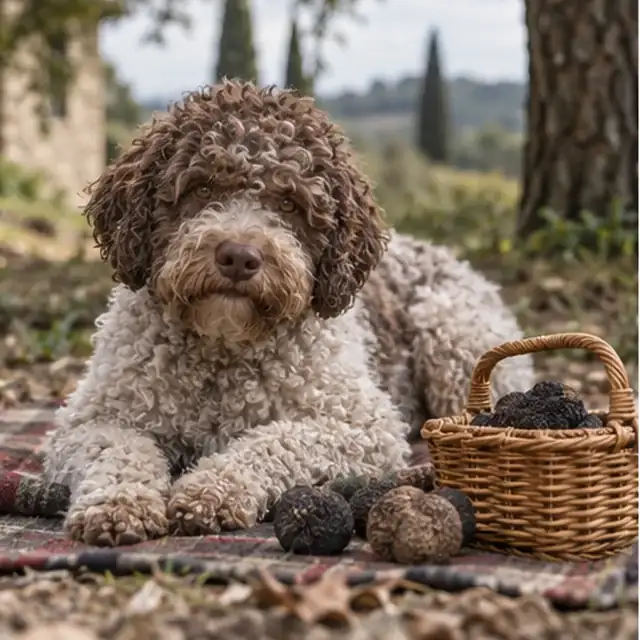
Written references testify to the breed in the Italian marshes around 1600, and according to some versions, the roots go back to Etruscan times. At first it was a water dog that brought prey to hunters. The name comes from the Romagna dialect "Can Lagot". The dog is depicted in Renaissance paintings. After the draining of the swamps of Italy in the 19th century, the breed was picked up by truffle collectors, and between the world wars, almost all of the Truffle Dogs of Romania were Lagotos. AKC recognized the breed in 2015.
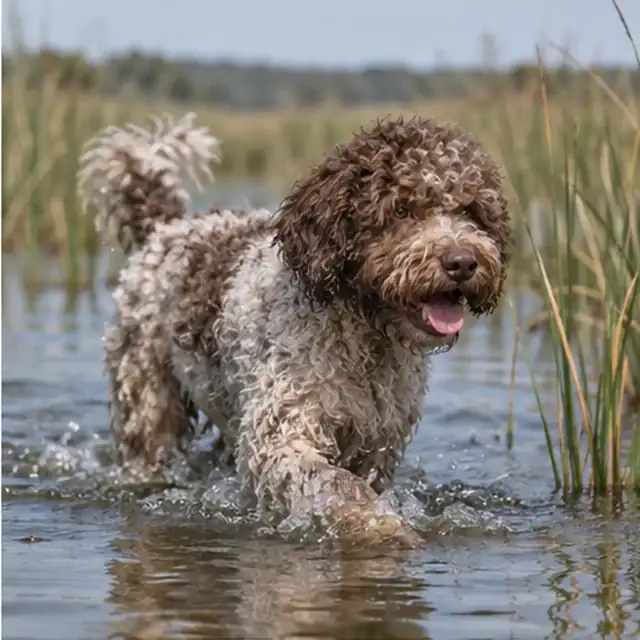
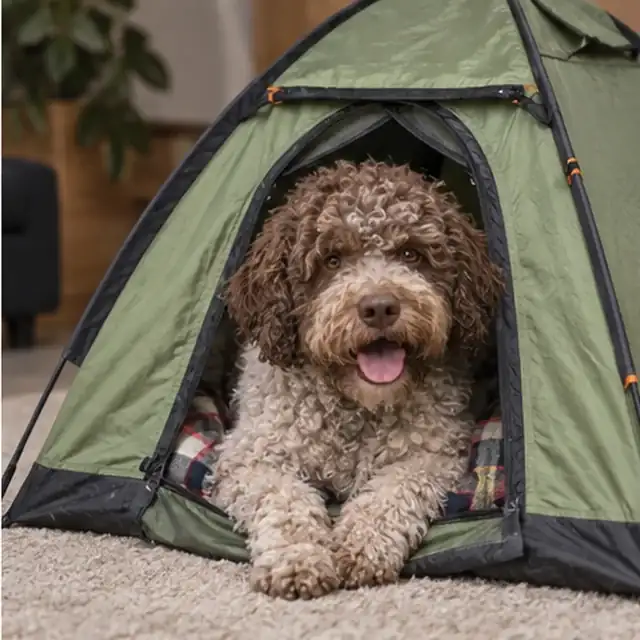
The Lagotto Romagnolo is a medium-sized Italian water and truffle dog with a thick, woolly, curly coat. Attached to owner, friendly, willing to learn and intelligent, barks mainly for notification. Requires mental work, active walks and regular haircuts.
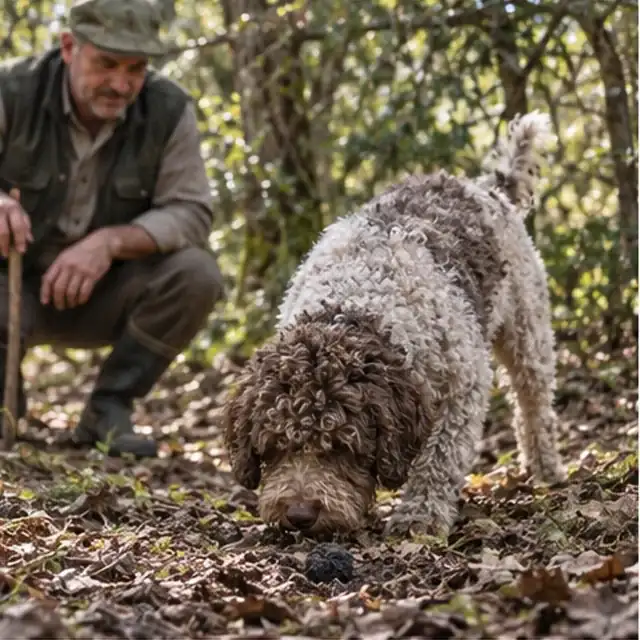
Suitable for active owners who like to walk and teach. Olfactory work, in particular the search for truffles, satisfies his natural need.
Daily walks and working with the sense of smell are required. Without classes, he can be bored and dig the ground.
Willing to please, adaptable and easy to learn. He likes mental stimulation, so he likes short activities and olfactory games.
Curly wool requires care once every few weeks: cutting and combing. Ears are examined especially, because wool accumulates in them, claws are trimmed.
He is attached to his family and usually gets along with children. Mischievous games are supervised.
Friendly to strangers and usually sociable with other animals. Hunting instinct is possible.
Estimates help compare breeds. For zooaggression, 5/5 means less tendency to aggression towards dogs. The behavior and health of a particular dog depend on many factors.
Very high score: devoted to the owner, friendly. Behavior depends on socialization.
High score: willing to please and easy to learn.
Average score: friendly, but needs socialization and control.
There is no comparable survival estimate for the breed in the British cohort used. Among the described breed risks: dysplasia of hip joints, dysplasia of elbow joints, epilepsy; examination of the parents is confirmed with the veterinarian.
Average score: wool needs regular shearing and combing.
Dysplasia of the hip joints: the results of examinations of both parents are requested. The weight is kept normal. Lameness is shown to the veterinarian.
Dysplasia of the elbow joints is manifested by lameness of the front paws. The results of the parents' examinations are requested, the growth load is dosed.
Epilepsy is manifested by convulsions; the first attacks require a visit to the veterinarian. Hereditary epilepsy is diagnosed after excluding other causes.