Human orientation
Average score: attached to the family, detailed descriptions are few. Behavior depends on upbringing.
THE PAW CATALOG
Origin: Germany and Switzerland
The breed originated in Germany and Switzerland as a black and white variety of Newfoundland. The ancestors are considered Newfoundland and Labrador fishing dogs, possibly descendants of water and herding dogs brought by Portuguese and Basque ships. Black and white Newfoundlands were fashionable in Victorian Britain and were painted by artists including Edwin Landseer. Over time, solid black color prevailed, so in the 1930s, breeders reproduced dogs from paintings. In 1960, a club of superior dogs of the Landseer color was created in Germany, later Belgian and Dutch clubs appeared. In Great Britain and North America, such dogs remain a type of Newfoundland.
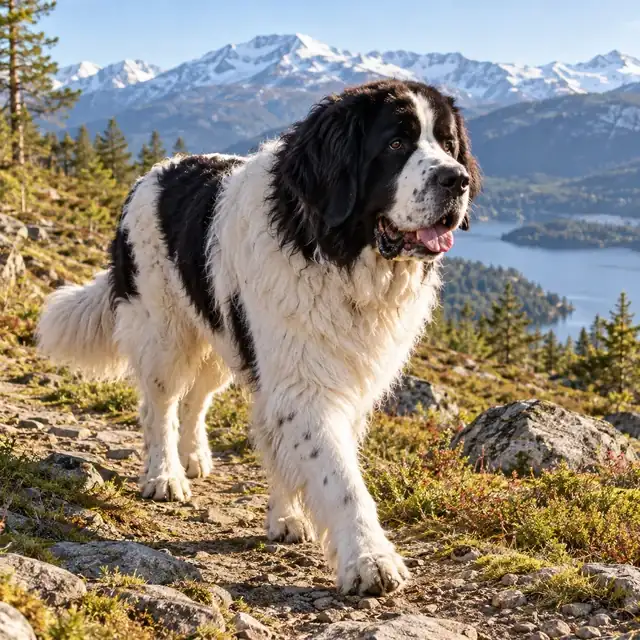
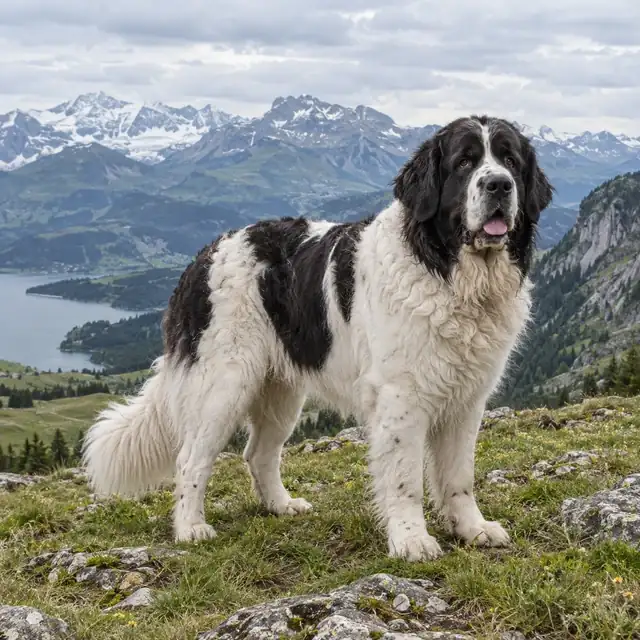
The Landseer is a large (66-71 cm, 45-68 kg) black and white dog with long hair, related to the Newfoundland, but taller on the legs and lighter in build. In continental Europe, it is recognized as a separate breed. Needs space, early socialization and daily grooming.

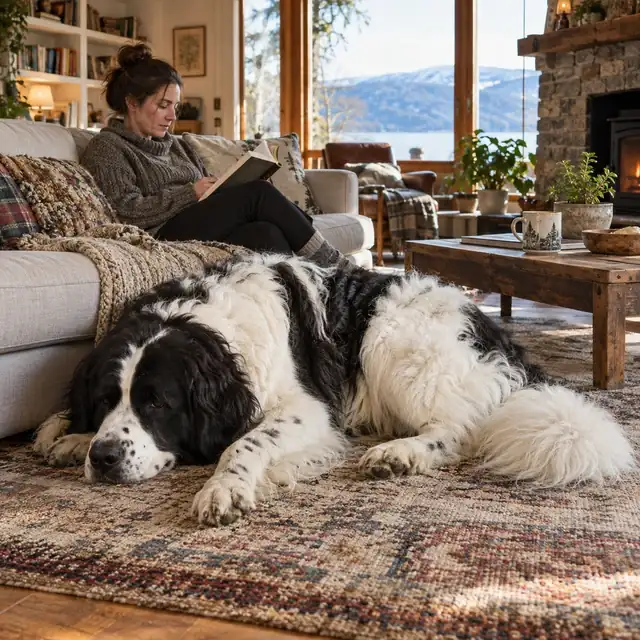
Suitable for a family with a large house and yard. The giant needs space, moves calmly, but loves water and long walks.
Daily moderate walks and the ability to swim are required. Puppies are not overloaded during growth so as not to harm the joints.
Early socialization and consistent training are required from puppyhood, because adult weight is twice that of an average human. Classes are soft, with praise.
Long hair is combed several times a week, and during molting every day. Ears, claws and eyes are examined, after bathing, the thick wool is dried thoroughly.
A gentle giant, but its size and weight can accidentally knock a baby off its feet. Contact under supervision.
Generally calm with other dogs and animals, especially with early socialization.
Estimates help compare breeds. For zooaggression, 5/5 means less tendency to aggression towards dogs. The behavior and health of a particular dog depend on many factors.
Average score: attached to the family, detailed descriptions are few. Behavior depends on upbringing.
Average score: Patience and consistency are required, especially at an early age.
Average score: usually peaceful, but needs early socialization.
There is no comparable survival estimate for the breed in the British cohort used. The absence of the mentioned risk does not prove the absence of hereditary diseases.
Low rating: Long, dense coat requires frequent brushing, especially during shedding.
Breed screening: there are few descriptions of hereditary diseases of the Landseer breed. Ask the breeder for the written results of the parents' examinations and the current requirements of the club.
Musculoskeletal apparatus: the growth and load of the Landseer breed should correspond to its age. Lameness, pain, or reluctance to move require a veterinary examination.
During preventive visits, the veterinarian checks the eyes and the heart. The frequency of special examinations is determined according to the recommendations of the club and the veterinarian.