Human orientation
High score: gentle, attached to the family. Behavior depends on upbringing.
THE PAW CATALOG
Origin: Germany
It comes from the German city of Leonberg, where the breed was formed in the 1840s. According to local legend, the breeder Heinrich Essig crossed Newfoundlands, St. Bernards and Pyrenean Mountain Dogs, but this combination does not explain the color of the coat, so it is likely that other local breeds were used.
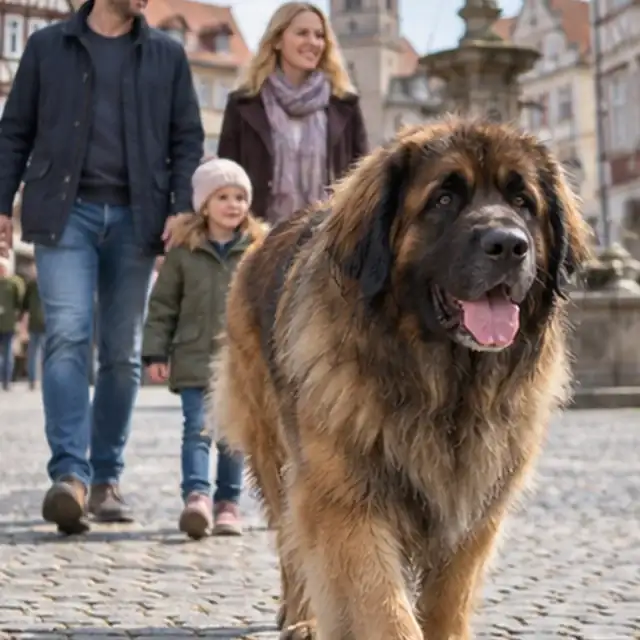
The Leonberger is a large, to gigantic, dog (65-80 cm) with a thick double coat from cream to rich red, a black mask and a mane on the neck and chest. Calm, confident and gentle, he is called a "good giant". Needs space, regular care and attention to joints.

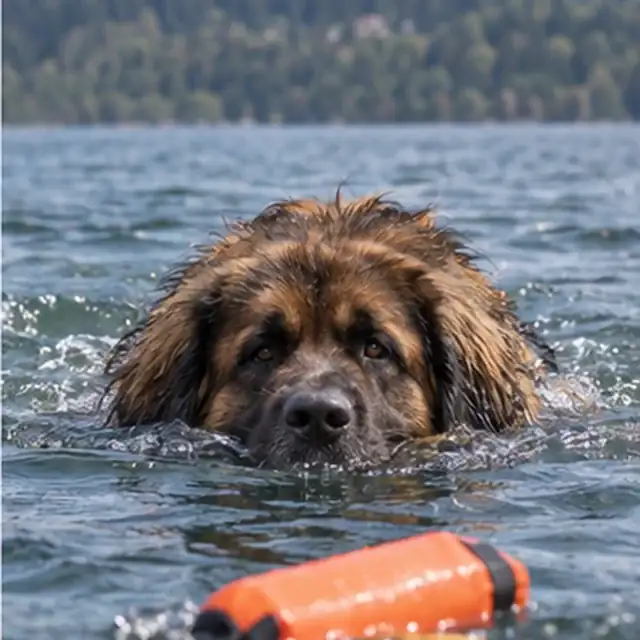
Suitable for a family with a spacious house or yard. Friendly, calm, loves water. Not suitable for those who are afraid of the size, saliva and amount of hair.
About 20 minutes of activity a day plus regular walks, swimming or going outside is enough. The load of puppies during the growth period is controlled.
Confident and willing to cooperate. Brute pressure is harmful, so calm perseverance and socialization from an early age work.
The coat is combed weekly, and more often during the puppy age and during the two annual molts. Areas behind the ears, feathers on the paws and the tail may need daily attention. Paws are trimmed, because seeds get stuck between the toes. Hot spots may appear under the coat.
Gentle giant, gets along well with children, suitable even for therapeutic work. Due to mass, games with children are supervised.
Calm and sociable, usually gets along with other animals during socialization.
Estimates help compare breeds. For zooaggression, 5/5 means less tendency to aggression towards dogs. The behavior and health of a particular dog depend on many factors.
High score: gentle, attached to the family. Behavior depends on upbringing.
Average score: Willing to cooperate, but requires patience and a gentle approach.
Average score: calm and peaceful, needs socialization.
In the British cohort, the median lifespan of the breed was 10.0 years. Among the described breed risks: bloating or stomach twist; examination of the parents is confirmed with the veterinarian.
Very low rating: large thick coat, heavy shedding and needs paw care.
Bloating or twisting of the stomach is a life-threatening condition in large breeds. They feed in small portions, avoid loads before and after meals, and immediately go to the veterinarian at the first signs. Kennels check joints, vision and hereditary polyneuropathy.