Human orientation
High score: devoted to the owner, at the same time independent and wary of strangers. Behavior depends on upbringing.
THE PAW CATALOG
Origin: France
The breed remained almost unknown to official dog breeding for a long time, its type varied by region, but its character was constant. The first official standard was drawn up between 1921 and 1925. Pyrenean shepherds used such dogs to drive flocks on mountain pastures.
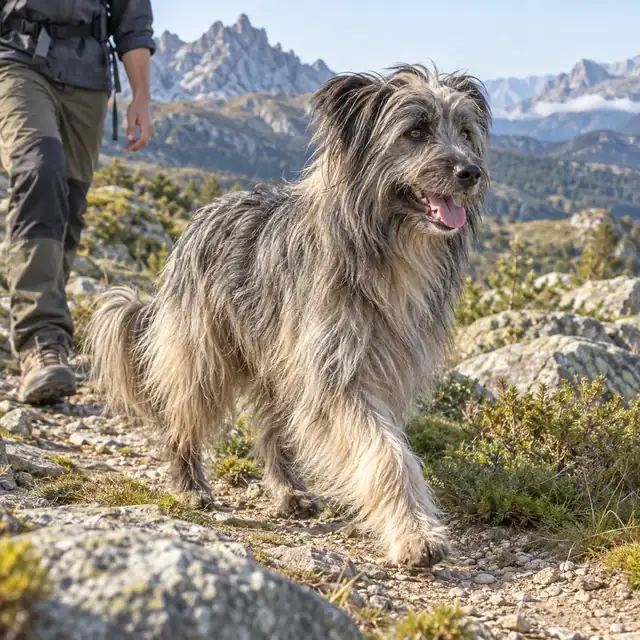
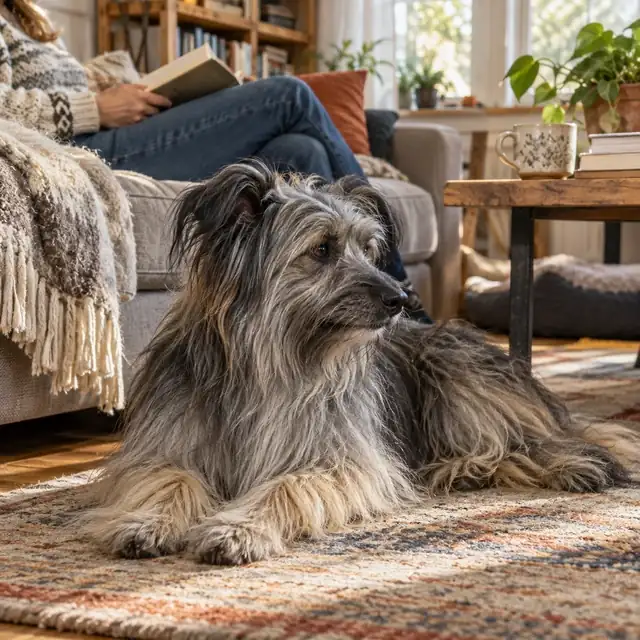
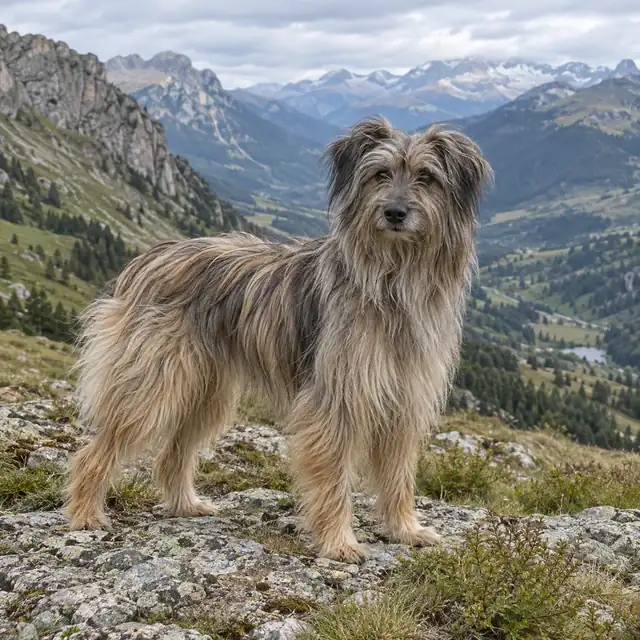
The long-haired Pyrenean Shepherd is a small (40-48 cm, 8-15 kg) lively herding dog with long shaggy hair that does not cover the eyes. Brave, resourceful, loyal to the owner, wary of strangers. It requires daily activity, firm guidance and work for the mind.

Suitable for very active people, ready for daily tasks: walks, games, sports. It becomes noisy and nervous in an apartment without a load. Mistrustful of strangers.
About forty minutes every day at least, and usually much more: running, games, mental work. Enduring and tireless.
Smart and quick, but stubborn: she needs firm guidance to channel her energy. Useful agility, grazing, obedience. Early socialization helps reduce mistrust of strangers.
Grooming is frequent: the long shaggy coat is combed, preventing tangles. The eyes must remain visible, so the fur around the eyes is kept in order. Claws are trimmed, teeth are cleaned.
Devoted to family, loves games. A shepherd's habit of chasing can manifest itself with children who run, so games are supervised.
Usually gets along with dogs during socialization, but may try to control their movement. Small animals need careful introduction.
Estimates help compare breeds. For zooaggression, 5/5 means less tendency to aggression towards dogs. The behavior and health of a particular dog depend on many factors.
High score: devoted to the owner, at the same time independent and wary of strangers. Behavior depends on upbringing.
Moderately low score: smart, but stubborn and needs firm guidance.
Average score: gets along with dogs, but the shepherd's habit of chasing needs correction.
Long-haired Pyrenean Shepherd survival rates in a British cohort are not comparable. The absence of the described risks does not guarantee the absence of hereditary diseases, so the breeder is asked for the results of the parents' examinations.
Moderately low rating: long shaggy coat needs frequent brushing.
Breed screening: there are few descriptions of hereditary diseases of the Long-haired Pyrenean Shepherd breed. Ask the breeder for the written results of the parents' examinations and the current requirements of the club.
Musculoskeletal system: the growth and load of the "Long-haired Pyrenean Shepherd" breed should be age-appropriate. Lameness, pain, or reluctance to move require a veterinary examination.
A preventive examination of the Long-haired Pyrenean Shepherd breed includes an evaluation of the eyes, heart and ears. The frequency of special inspections is determined by the recommendations of the club and the veterinarian.