Human orientation
High score: gentle, needs human attention. Behavior depends on upbringing.
THE PAW CATALOG
Origin: France
Levkhen was a companion of wealthy and noble people. The modern history of the breed dates back to enthusiasts of the late 19th century on the territory of present-day Belgium, Germany and the Netherlands. It is believed that the ancestors were dogs brought by travelers from Tibet, who were crossed with local spitz and terriers.
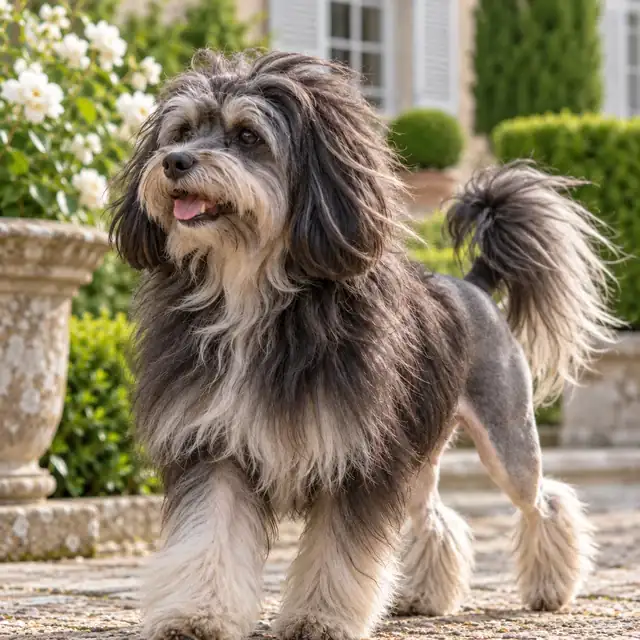
Levhen, or "little lion", is a small (25-33 cm, up to 11 kg) companion with long, wavy, silky fur. It is traditionally cut "lion": on the hind and front legs, with a tassel on the tail. Friendly, lively, intelligent and gentle, does not tolerate loneliness.
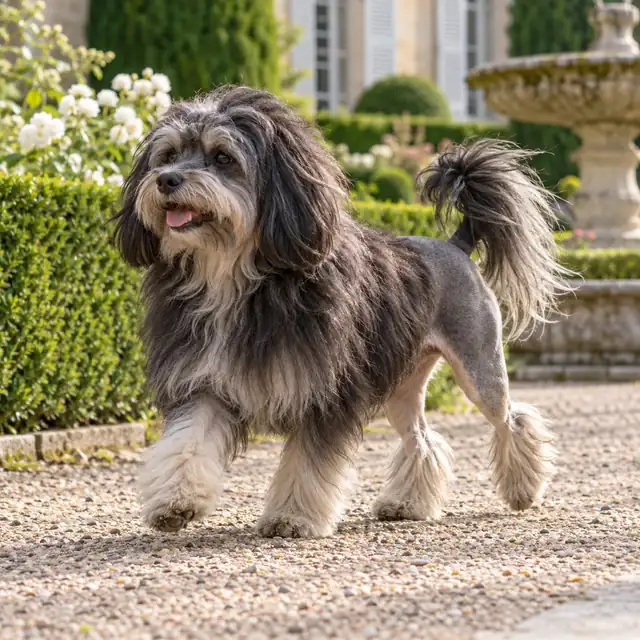
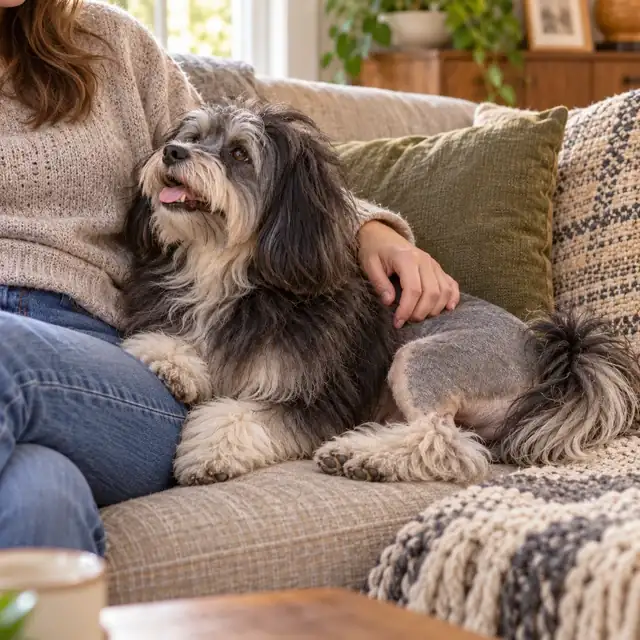
Suitable for both an apartment and a house. Quiet, does not bark excessively, well suited for a family with children. Needs human attention and gets bored alone.
Daily walks and games are needed, but without excessive loads.
Intelligent, seeks to please and gently responds to praise. A rough tone is not needed. Early socialization helps keep him balanced.
Long, wavy hair needs frequent brushing to keep it from tangling. The "lion" haircut requires regular maintenance. Ears are examined, nails are trimmed, teeth are cleaned.
Friendly and gentle, gets along well with children who know how to handle small dogs.
Friendly to other dogs and animals, the breed does not show aggression.
Estimates help compare breeds. For zooaggression, 5/5 means less tendency to aggression towards dogs. The behavior and health of a particular dog depend on many factors.
High score: gentle, needs human attention. Behavior depends on upbringing.
Medium-high rating: intelligent and eager to please.
High rating: friendly to dogs and other animals.
In the British cohort, the median lifespan of the breed was 13.9 years; small sample: 50 deaths. Among the described breed risks: dysplasia of the hip joints, dislocation of the patella, progressive retinal atrophy; examination of the parents is confirmed with the veterinarian.
Medium-low rating: long hair and lion haircut require regular attention.
Hip Dysplasia: The breeder is asked to confirm examinations of both parents. The weight is kept normal. Lameness is shown to the veterinarian.
Dislocation of the patella is manifested by periodic "jumping" on the hind leg. The doctor assesses the extent of the dislocation, and it depends on whether treatment is needed.
Progressive retinal atrophy is a hereditary eye disease that gradually leads to vision loss. There are DNA tests for many breeds, so kennels are vetted.
Cataract is a clouding of the lens that reduces vision. Hereditary forms occur in many breeds, so adult dogs are regularly examined by a veterinary ophthalmologist.