Human orientation
High score: devoted and alert. Behavior depends on upbringing.
THE PAW CATALOG
Origin: Hungary
An ancient Hungarian hunting breed: its origin is associated with the arrival of the Magyars to Hungary, and archaeological finds of skulls confirm this. In the 19th century, it was crossed with other greyhounds to increase speed. In the FCI classification, it belongs to group 10.
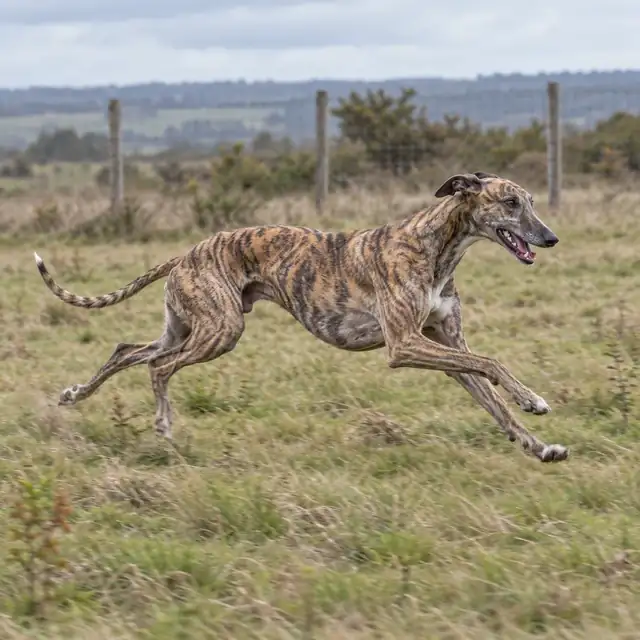
The Hungarian greyhound (Magyar agar) is a tall (62-70 cm) strong, fast greyhound adapted to open spaces. Tireless, hardy, a little reserved, but not timid; smart, loyal and alert. Needs a safe place to run and control the chase.

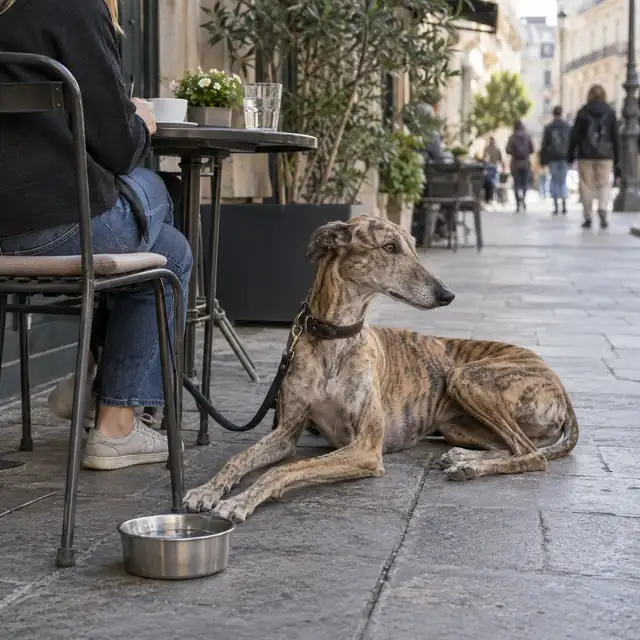
Suitable for owners who can give a daily run in a safe place. Calm at home, fast and hardy on the street. You will be bored in a cramped apartment without movement.
High: Fast running in a safe fenced area and walks. The load of puppies is dosed.
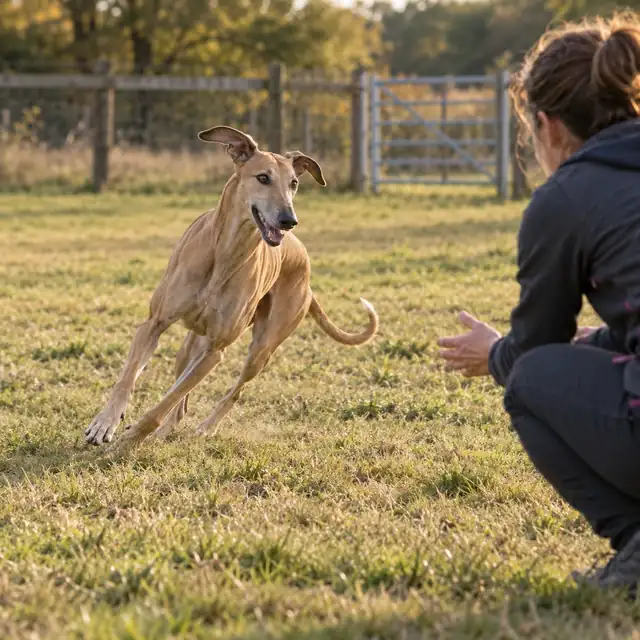
Intelligent, but chases everything that runs. A reliable recall, a leash and a fence are required. Classes are short and clear, with rewards.
Short hair is combed approximately once a week, more often during shedding. Teeth, claws, ears and skin are checked.
Contacts with children are controlled by an adult. The rules of calm contact are explained to the child, and the dog is given a separate resting place.
Acquaintance with other dogs and pets is carried out gradually. Greyhounds are characterized by persecution, therefore small animals are prey.
Estimates help compare breeds. For zooaggression, 5/5 means less tendency to aggression towards dogs. The behavior and health of a particular dog depend on many factors.
High score: devoted and alert. Behavior depends on upbringing.
Average score: smart but independent.
Average score: hunting instinct.
There is no comparable survival estimate for the breed in the British cohort used. The absence of the mentioned risk does not prove the absence of hereditary diseases.
High score: short coat.
Breed screening: little is known about hereditary diseases of the Hungarian Greyhound breed. The breeder is asked for documents with the results of examinations of both parents and current recommendations of the club.
Musculoskeletal system: growth, weight and load of the "Hungarian Greyhound" breed should correspond to the age. Pain, lameness, or reluctance to move require a veterinary examination.
Heart and eyes are included in the list of annual examination. The need for individual tests is determined by club recommendations and the dog's age. Ask the breeder what tests the parents have passed.