Human orientation
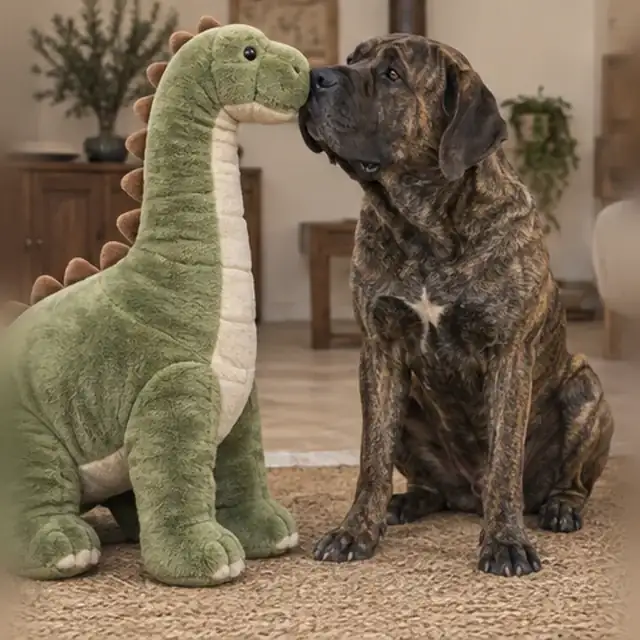
Medium-high rating: gentle with the family, modern breeding has softened the character. Behavior depends on upbringing.
THE PAW CATALOG
Origin: Spain
The Majorcan Bull, or Ca de Bu, is an island dog that probably evolved during the Catalan period in Majorca (1270-1570) from mastiff-like dogs that helped control livestock. In the 18th century, it was valued for bull baiting and dog fighting. The prohibition of these pastimes in the 20th century reduced the number to almost extinction, so the breed survived thanks to enthusiasts from mainland Spain who showed it at exhibitions. The first standard was drawn up in 1932, and the FCI recognized the breed in 1963.
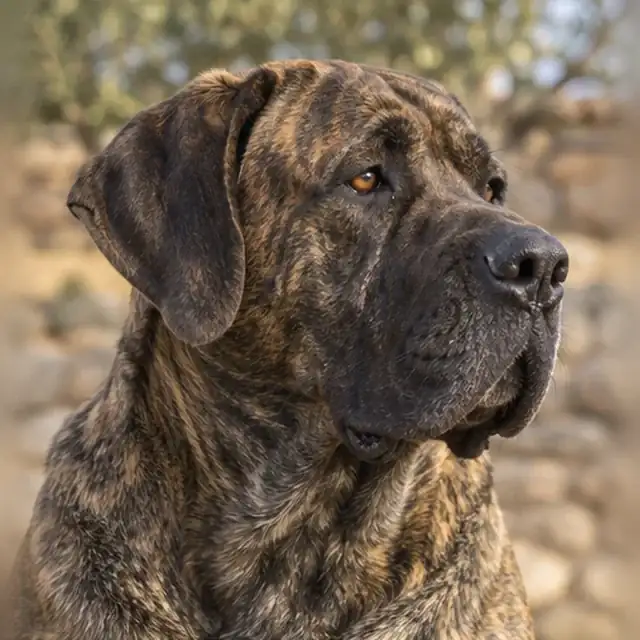
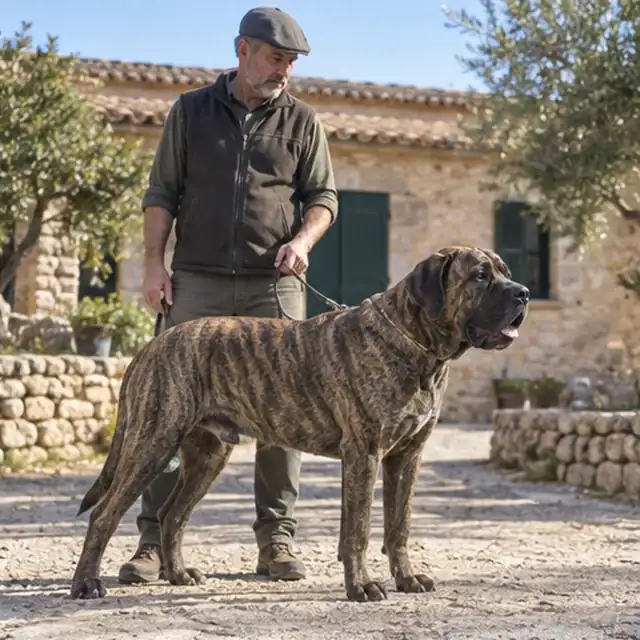
Majorcan Mastiff, or Ca de Bu, is a muscular dog of medium height (52-58 cm, 30-38 kg) with a short, stiff coat of brindle, fawn or black color. Historically a fighting dog, now obedient and gentle, but stubbornly brave. Needs an experienced owner and socialization.

Suitable for experienced owners who understand hardy breeds. Early socialization is necessary, and most of the time should be spent with people.
Daily walks and exercises, but not extreme loads. Overheating is monitored in the heat.
Historically, they were bred for ferocity and courage, but show selection made the dog docile and gentle. Stubbornness remained: consistency and a clear structure are needed.
Short hair is combed once a week. Ears, skin folds and claws are examined, teeth are cleaned.
Modern dogs are obedient and gentle, but their strength and temperament require constant supervision, especially in the presence of other people's children.
Conflicts with other dogs are possible due to a fighting past. Acquaintances are carried out carefully.
Estimates help compare breeds. For zooaggression, 5/5 means less tendency to aggression towards dogs. The behavior and health of a particular dog depend on many factors.
Medium-high rating: gentle with the family, modern breeding has softened the character. Behavior depends on upbringing.
Average score: obedient, but stubborn; sequence is required.
Low score: possible conflicts with other dogs due to a fighting past.
There is no comparable survival estimate for the breed in the British cohort used. The absence of the mentioned risk does not prove the absence of hereditary diseases.
High rating: short coat requires minimal maintenance.
Pedigree Screening: There is little reliable data on the hereditary diseases of the Majorcan Mastiff breed, so the results of examinations of both parents should be requested in writing.
Musculoskeletal system: growth, weight and load of the Majorcan Mastiff breed should correspond to its age. Pain, lameness, or reluctance to move require a veterinary examination.
The condition of the eyes and heart is included in the routine examination. How often to do special examinations is suggested by the breed club and the doctor.