Human orientation
High score: attached to the family and willing to work. Behavior depends on upbringing.
THE PAW CATALOG
Origin: Hungary
The Hungarian shepherd is a breed related to the puli and puma, from which it was separated in the 1930s. Dr. Deji Fenjes recognized it as a separate breed in 1936, when it was called a "hound dog". During the Second World War, many mudis were killed and the breed almost disappeared. It was recognized by the FCI in 1966, the AKC on January 5, 2022, and the British Kennel Club on June 12, 2025.
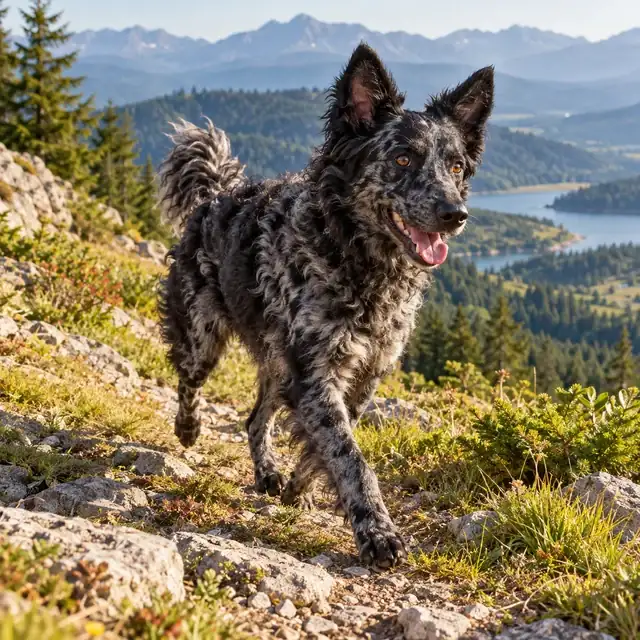
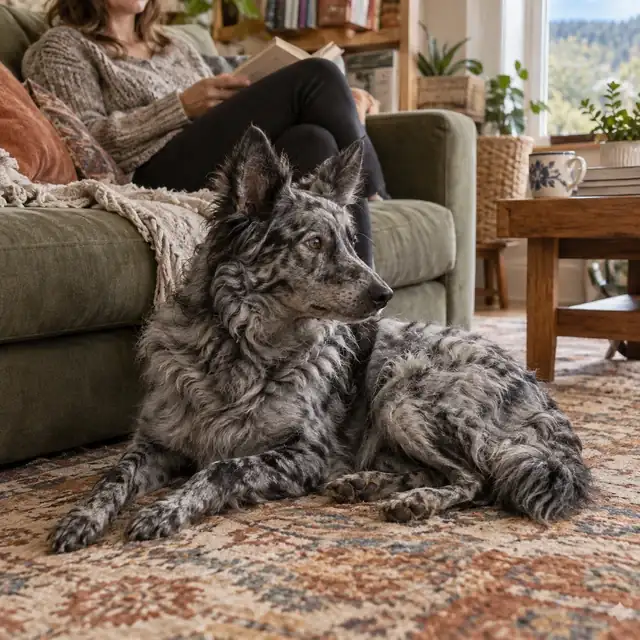
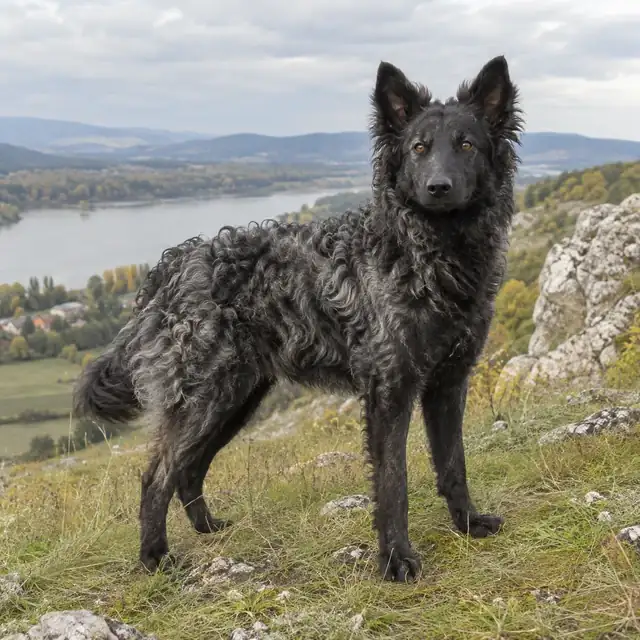
Moody is a medium (38-47 cm, 8-13 kg) Hungarian shepherd dog with wavy or slightly curly coat of medium length: fawn, black, brown, ash gray or blue merle. Very active, understanding and willing to work. Needs daily long walks and activities.
Suitable for active owners who like hiking and sports. Not suitable for an apartment without sufficient traffic.
Very active: Needs daily long brisk walks or runs and a large safe space to run freely.
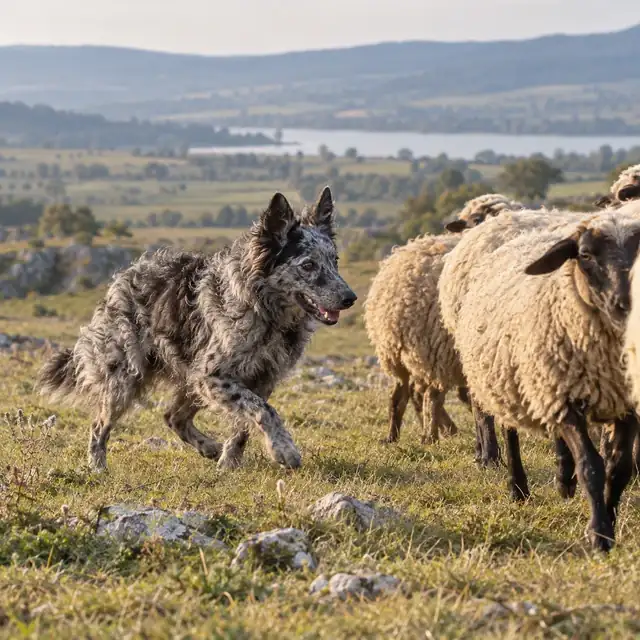
He is enthusiastic and willing to work, so he is good at herding work, agility, obedience, rallying, frisbee and other sports. Classes are required every day.
Wavy wool is combed once or twice a week. Ears are examined, nails are trimmed, teeth are cleaned.
Tied to the family, however, the energetic shepherd dog can chase children. Supervised games.
The herding instinct is preserved, so the dog can chase small animals. Acquaintances are gradual.
Estimates help compare breeds. For zooaggression, 5/5 means less tendency to aggression towards dogs. The behavior and health of a particular dog depend on many factors.
High score: attached to the family and willing to work. Behavior depends on upbringing.
High score: intelligent and successful in work and sports.
Average score: herding instinct needs correction.
There is no comparable survival estimate for the breed in the British cohort used. The absence of the mentioned risk does not prove the absence of hereditary diseases.
Average score: medium length coat needs regular brushing.
Pedigree Screening: There is little reliable data on the hereditary diseases of the Moody breed, so the results of examinations of both parents should be requested in writing.
Musculoskeletal system: the height, weight and load of the "Mudi" breed should correspond to its age. Pain, lameness, or reluctance to move require a veterinary examination.
Heart and eyes are included in the list of annual examination. The schedule of in-depth checks is coordinated with the veterinarian and the breed club.