Human orientation
High score: friendly, friendly and affectionate. Behavior depends on upbringing.
THE PAW CATALOG
Origin: Great Britain
Originated in England, where farmers used terriers to drive foxes and vermin out of burrows. The roots go back to small working terriers that were kept by Cambridge students as student rat catchers at the end of the 19th century. Red dog Rags is called the founder of both Norwich and Norfolk terriers. The dry-eared variety was separated from the Norwich terrier into a separate breed in the second half of the 20th century.
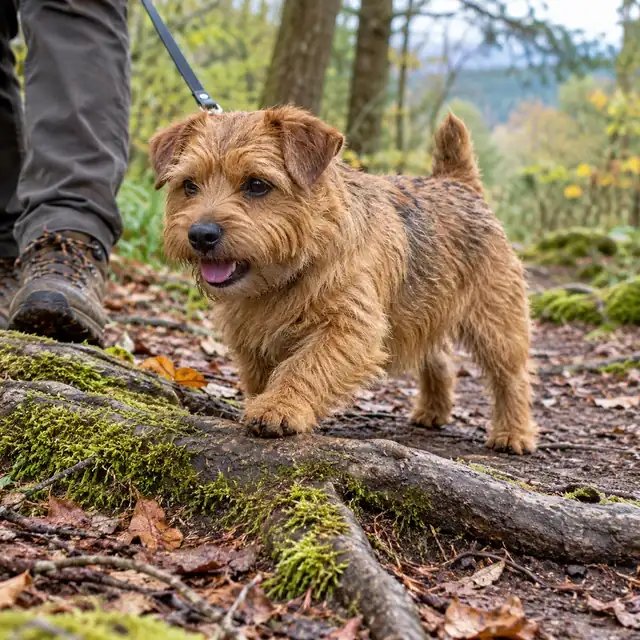
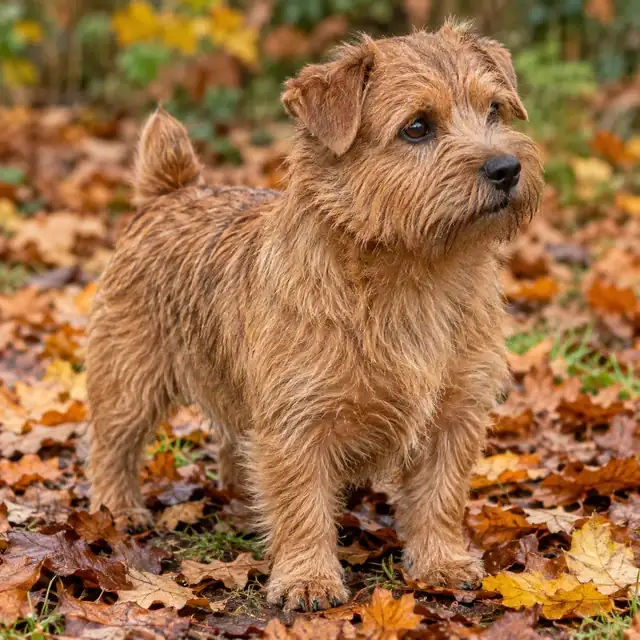
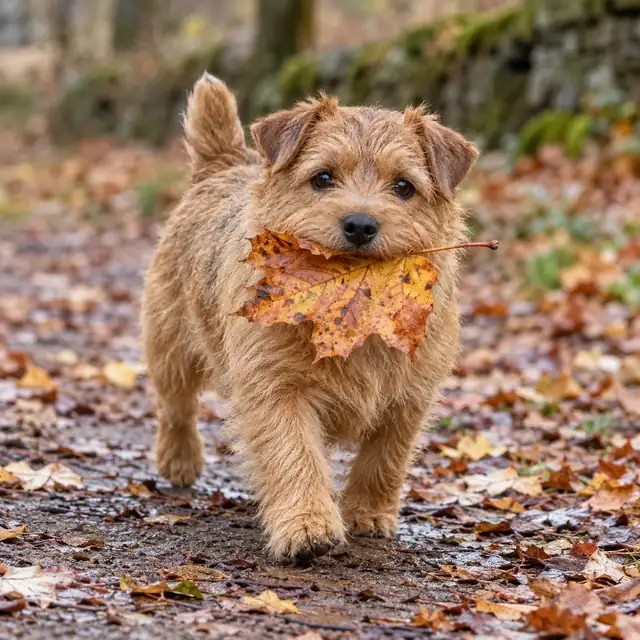
The Norfolk Terrier is a small (about 25 cm, 4-5 kg) English terrier with drooping ears and a hard, wiry coat of red, wheat, tan, or brindle. Smart, friendly, cheerful and persistent. Needs daily movement and trimming.

Suitable for a house or apartment with access to the street. Barks and watches closely. He likes to dig, so a separate "sand" area is useful in the garden.
About an hour of activity every day plus games. Likes games and searching, and also digs.
It is usually easier to train than other terriers, but a reliable recall signal is required, because it chases the squirrel. Classes are short, with a reward.
Hard wool is combed and groomed approximately once a week, periodically trimmed. Claws are trimmed, ears and teeth are cleaned.
Gentle, patient and cheerful, usually gets along well with children. Peaceful coexistence with other animals requires training.
The terrier instinct is preserved: it drives away squirrels and small animals. Gets along with dogs during socialization.
Estimates help compare breeds. For zooaggression, 5/5 means less tendency to aggression towards dogs. The behavior and health of a particular dog depend on many factors.
High score: friendly, friendly and affectionate. Behavior depends on upbringing.
Medium-high rating: Intelligent, usually easier to train than other terriers.
Average score: Terrier instinct needs control.
In the British cohort, the median lifespan of the breed was 13.5 years. Among the described breed risks: dislocation of the patella; examination of the parents is confirmed with the veterinarian.
Average score: wire wool needs regular care.
Dislocation of the patella is manifested by periodic "jumping" on the hind leg. The degree is determined by the veterinarian, mild cases are only observed. Excess weight is removed because it increases the load.