Human orientation
High score: gentle with the family. Behavior depends on socialization.
THE PAW CATALOG
Origin: Norway
A Norwegian farm dog of the Spitz family, which has been recognized as a breed since the 1600s. He works both as a shepherd and a guardian of livestock and the house.
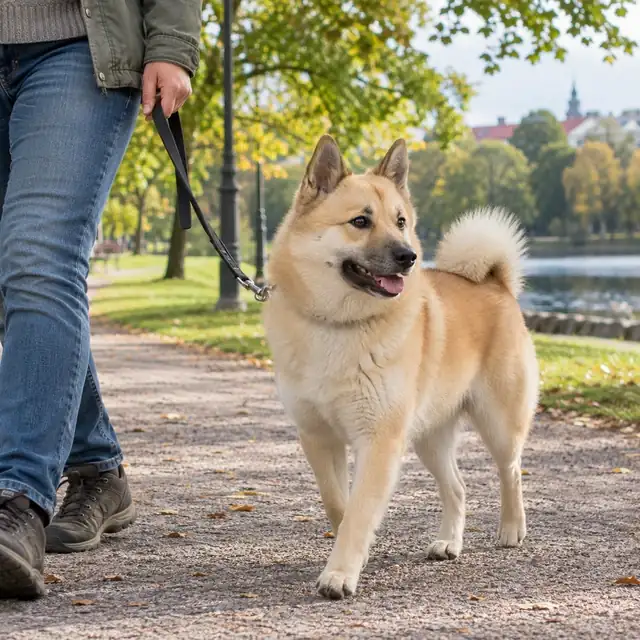
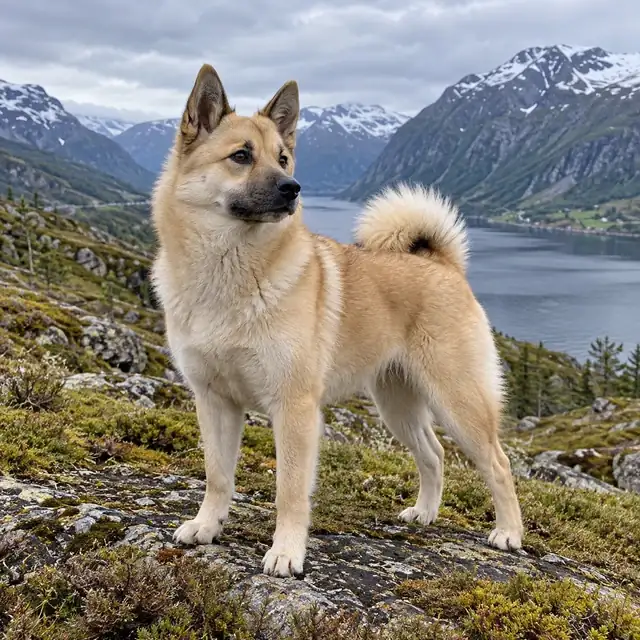
The Norwegian Buhund is a medium (about 41-45 cm) Spitz, a farm dog of Norway, a shepherd and guardian of livestock and home. The coat is short double: wheat, red or wolf-sable. Active, confident, independent, but tender to the family. Needs daily movement and mental tasks.

Can live both in the city and outside the city, if it gets enough traffic. Not for sedentary owners.
Daily movement in the air and mental and physical challenges are required. It feels good in the city and outside the city, if the load is sufficient.
Intelligent and confident, but sometimes stubbornly independent. Obedience and early socialization help; then a well-behaved dog grows up.
The double coat is combed several times a week, and during shedding every day. Ears are examined, nails are trimmed, teeth are cleaned.
Gentle to the family, but an active shepherd dog can drive children. Supervised games.
The shepherd's instinct is preserved. Acquaintance with other animals is carried out gradually.
Estimates help compare breeds. For zooaggression, 5/5 means less tendency to aggression towards dogs. The behavior and health of a particular dog depend on many factors.
High score: gentle with the family. Behavior depends on socialization.
Medium-high rating: smart, but independent.
Average score: herding instinct needs correction.
There is no comparable survival estimate for the breed in the British cohort used. Among the described breed risks: hip dysplasia, von Willebrand's disease, eye diseases; examination of the parents is confirmed with the veterinarian.
Average score: double coat requires regular brushing.
Dysplasia of the hip joints: the results of X-ray evaluations of the parents are studied before the purchase. Excess weight increases the load on the joints, so the puppy should not be overfed. Lameness is shown to the veterinarian.
Von Willebrand's disease is a hereditary blood coagulation disorder that can manifest itself in prolonged bleeding. Diagnosed by analysis, breeders check the pair.
Eye diseases: regular examinations by a veterinary ophthalmologist. With any changes in the eyes, such as cloudiness or excessive discharge, consult a doctor.