Human orientation
High rating: loving in the family, reserved towards strangers. Behavior depends on upbringing.
THE PAW CATALOG
Origin: Canada
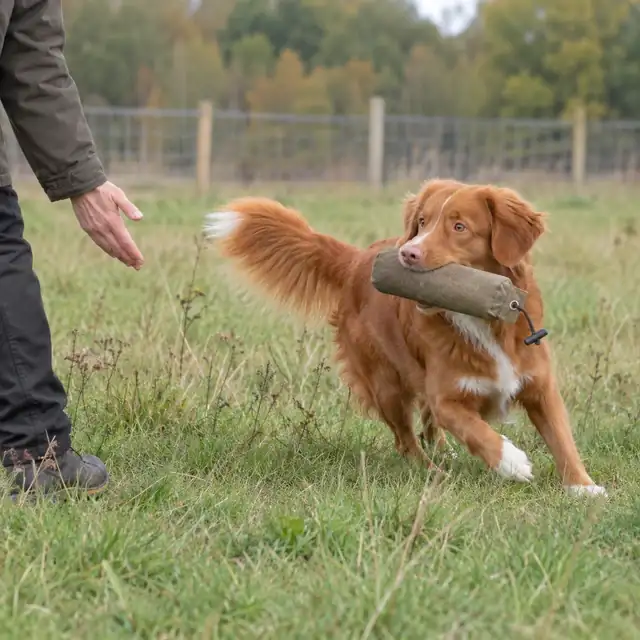
Bred as a versatile farm dog of mixed ancestry in Yarmouth County, Nova Scotia, where it was first called the "Little River Duck Dog." Pulled carts, grazed sheep, lured birds within shooting distance and brought prey. Some believe that the breed was influenced by the Kooikerhondje.
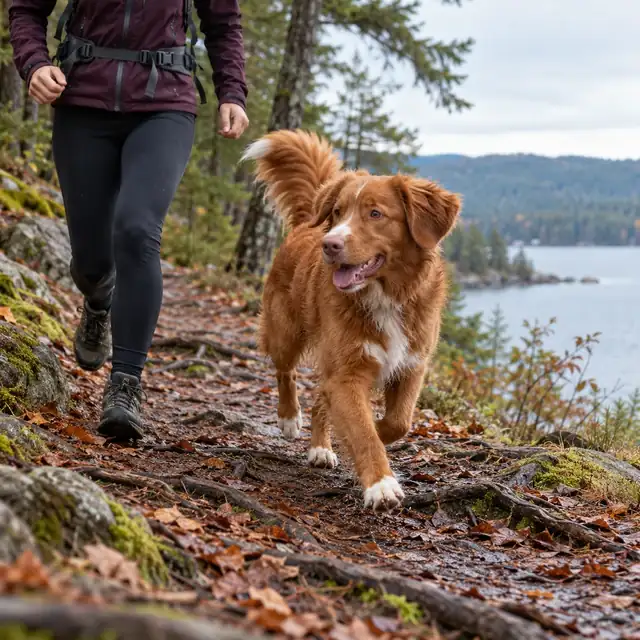
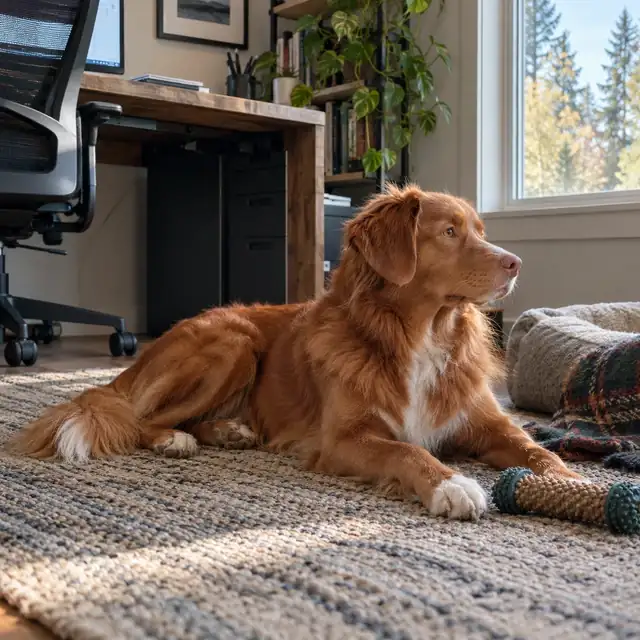
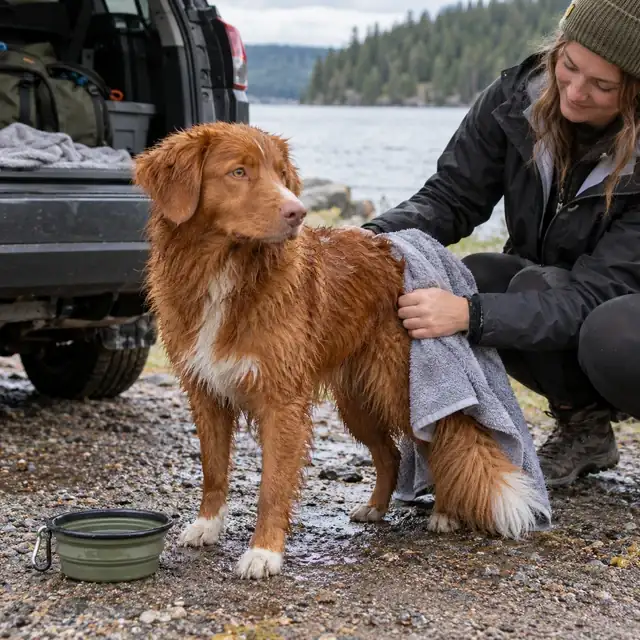
The Nova Scotia Retriever is the smallest of the retrievers (45-51 cm, 17-23 kg) with a water-repellent red to orange double coat, usually with white markings. Smart, playful and easy to learn; loves water Requires daily activity and mental tasks.
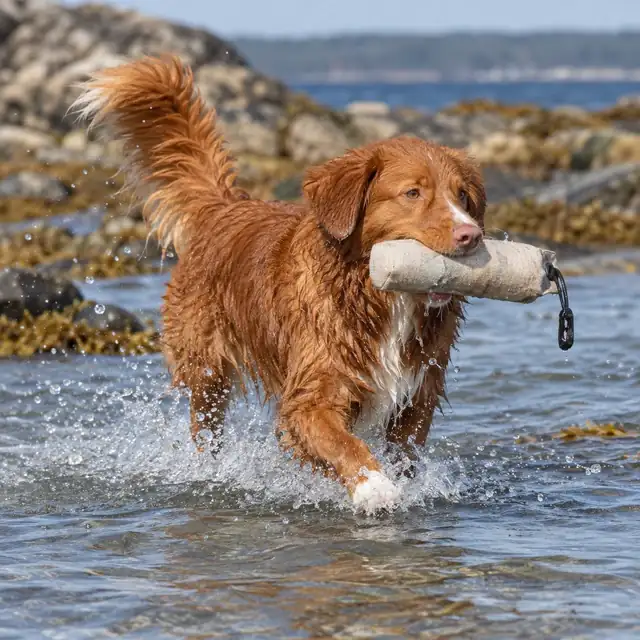
Suitable for active families who love water, walks and sports. It is not suitable for a sedentary life.
Considerable daily activity is required: approximately 40 minutes of movement and swimming.
Very smart and easy to learn, but also playful. A lot of classes are required, but they are short and varied, with rewards.
The wool is combed weekly. The feathers on the ears are sometimes trimmed so that they do not stray; ears are examined after swimming. Claws are trimmed, teeth are cleaned.
Family-friendly, usually well suited to families with children. Energetic games under supervision.
Usually gets along well with other dogs. The retriever's hunting instinct remains, so birds and small animals are under control.
Estimates help compare breeds. For zooaggression, 5/5 means less tendency to aggression towards dogs. The behavior and health of a particular dog depend on many factors.
High rating: loving in the family, reserved towards strangers. Behavior depends on upbringing.
Very high score: intelligent and easy to learn.
Average-high score: usually gets along with dogs, hunting instinct needs control.
In the British cohort, the median lifespan of the breed was 13.2 years; small sample: 47 deaths. Among the described breed risks: autoimmune diseases; examination of the parents is confirmed with the veterinarian.
Average score: Medium length coat, weekly brushing and ear care required.
Autoimmune diseases are conditions when the immune system acts against its own tissues. Late-onset immune-mediated disorders have been described in the breed, as in many others. Suspicion of them (lethargy, skin changes, joint damage) is referred to a veterinarian. Tests are available for hereditary hypothyroidism, PRA-cd and eye circle anomaly.