Human orientation
Very high score: gentle, sensitive, attached to people. Behavior depends on upbringing.
THE PAW CATALOG
Origin: France and Belgium
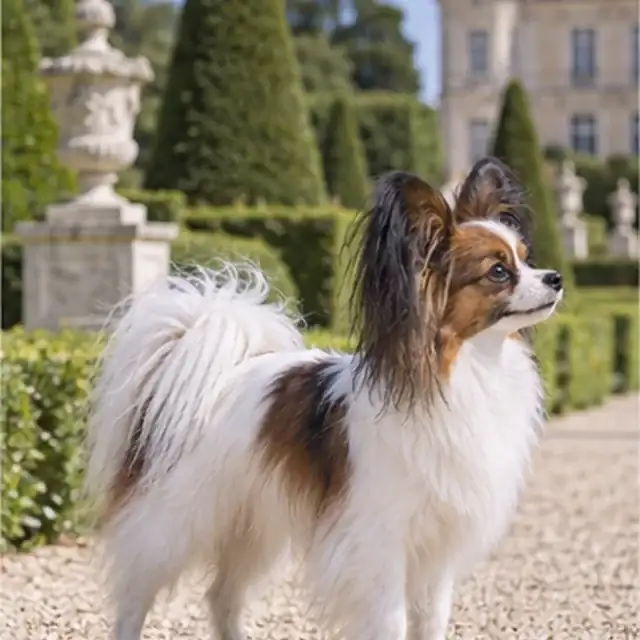
It was bred for noble ladies and was a favorite of European kings and aristocrats: it was depicted by famous masters in paintings. It was created during the Renaissance by crossing miniature breeds with spaniels, and later became popular in Italy and Spain. The name is French and the connection to France is strong.
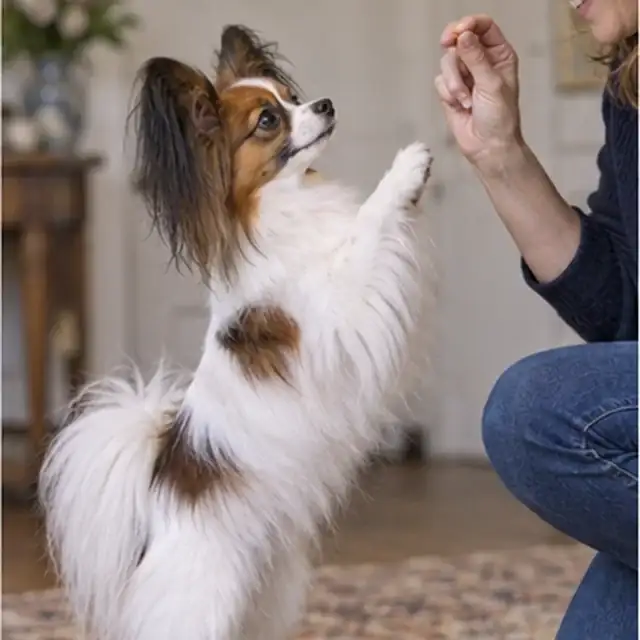
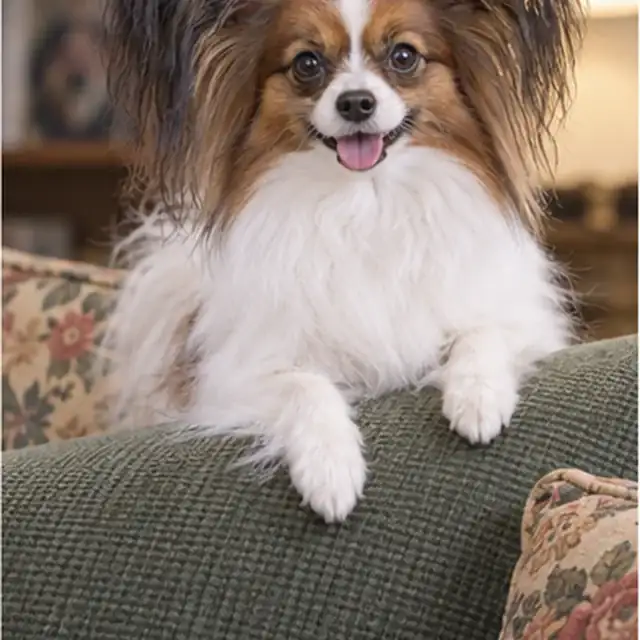
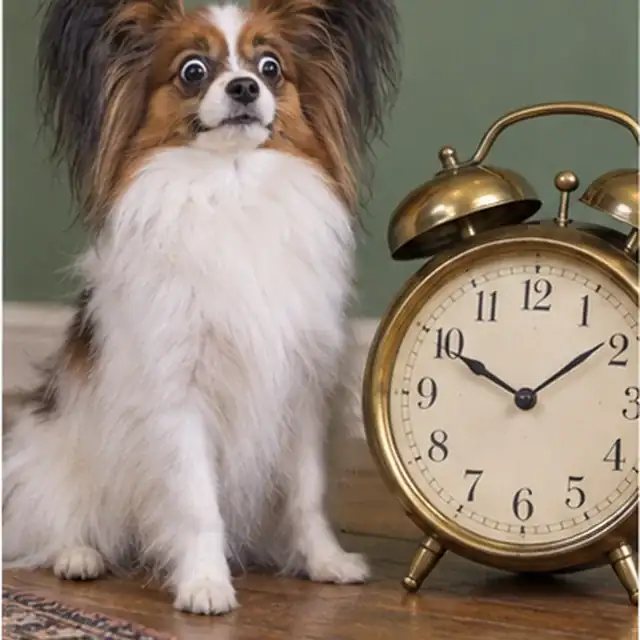
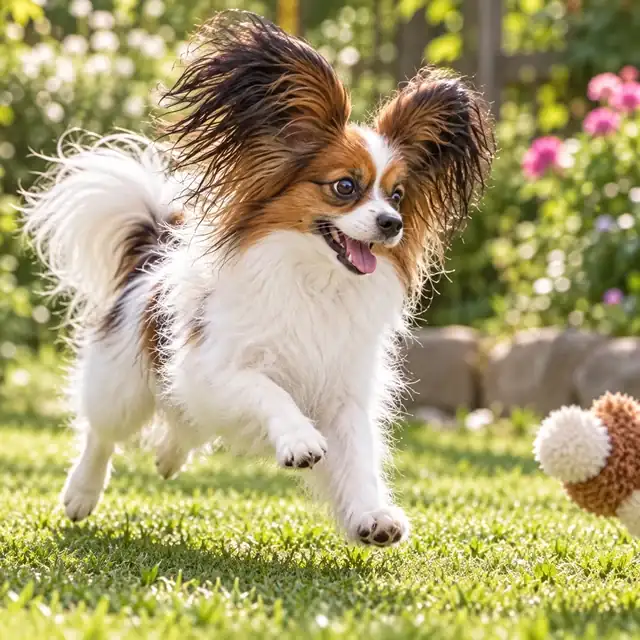
The Papillon is a graceful miniature dog (20-28 cm) with long silky hair without undercoat and "butterfly" ears. The main color is always white with spots of different colors. Lively, interesting, good-natured and very energetic. Needs regular play and weekly grooming.

Suitable for an apartment. Likes to be around people, but requires daily games. He may not be aware of his small size and climb up to big dogs.
Athletic, needs regular games. Likes to bring small toys and run in the yard.
Smart and responsive, learns quickly. Suitable for agility and obedience. Classes are short, with treats and praise.
Full care about once a week, and the back of the paws, behind the ears and on the "pants" hair is combed daily. Bathe every few weeks or when soiled. Claws, especially extra fingers, are trimmed, teeth are cleaned.
Good-natured and sensitive, but fragile: rough play with small children is dangerous. Contacts under supervision.
Friendly, but needs supervision around large dogs or cats. He may not realize how small he is.
Estimates help compare breeds. For zooaggression, 5/5 means less tendency to aggression towards dogs. The behavior and health of a particular dog depend on many factors.
Very high score: gentle, sensitive, attached to people. Behavior depends on upbringing.
Very high score: smart and eager to learn.
Average score: Friendly, but needs supervision around large animals.
In the British cohort, the median lifespan of the breed was 14.5 years. Among the described breed risks: dislocation of the patella; examination of the parents is confirmed with the veterinarian.
Average score: long coat without undercoat needs regular brushing.
With dislocation of the patella, the dog suddenly bends its hind leg while walking. The degree is determined by the veterinarian, mild cases are only observed. Excess weight is removed because it increases the load.