Human orientation
High score: confident and gentle in the family. Behavior depends on upbringing.
THE PAW CATALOG
Origin: Great Britain
Bred by the Reverend John Russell - a Devon sportsman and lover of fox hunting. In 1819, he purchased a white female Trump, which became the model for his breeding program.
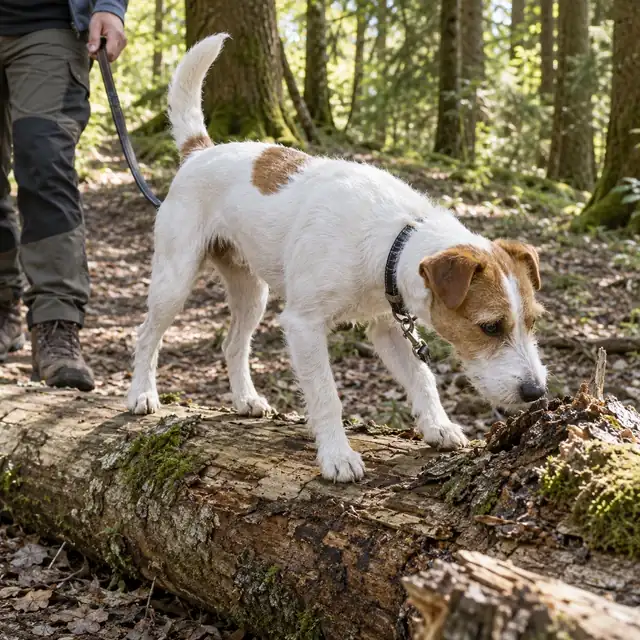
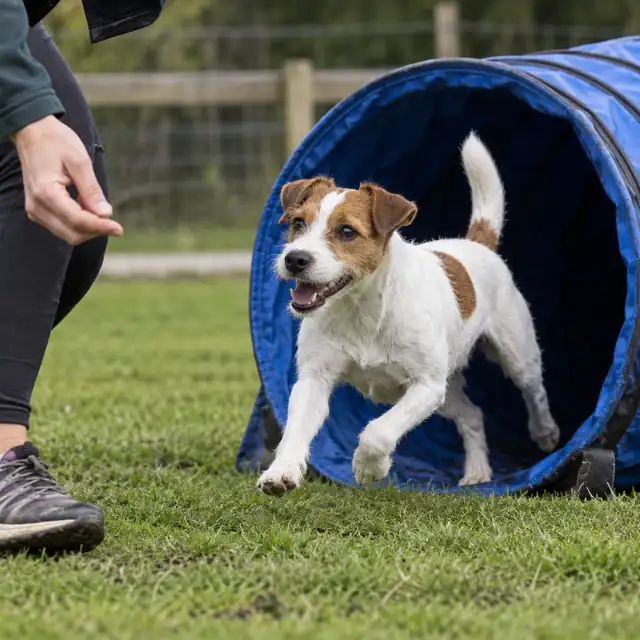
The Parson Russell Terrier is a short (33-36 cm) white-spotted English terrier with a smooth or stiff coat. Confident, gentle, incredibly active rodent hunter. Needs a lot of movement, reliable fencing and supervision on walks.

Suitable for very active owners. A securely fenced yard, walks and games are needed. Without load can become destructive.
Very high: regular walks, games and communication. Destroys without load.
Confident and gentle, without timidity and aggression. A rodent hunter may rush into a hole or onto a road regardless of danger, so a reliable recall signal and supervision are required.
Regular brushing and bathing. Hard wool is trimmed or cut twice a year, and then it is almost not lazy. The smooth coat sheds.
Gentle, but boisterous. Games with children are supervised.
The hunting instinct is strong, so rodents and small animals are prey. Gets along with dogs during socialization.
Estimates help compare breeds. For zooaggression, 5/5 means less tendency to aggression towards dogs. The behavior and health of a particular dog depend on many factors.
High score: confident and gentle in the family. Behavior depends on upbringing.
Medium-high rating: clever, but the hunting zeal gets in the way.
Medium-high rating: gets along with dogs when socialized, but rodents are prey.
In the British cohort, the median lifespan of the breed was 13.8 years. Among the described breed risks: dislocation of the patella, hearing impairment, eye diseases; examination of the parents is confirmed with the veterinarian.
Average score: moderate grooming, but the dog needs a lot of activity.
A dislocation of the patella is often noticeable by short "bounces" on the hind leg during running. The degree is determined by the veterinarian, mild cases are only observed. Excess weight is removed because it increases the load.
Hearing impairment: congenital deafness is confirmed by a puppy hearing test. Kennels check hearing.
Eye diseases: regular examinations by a veterinary ophthalmologist. Squinting, redness, or cloudy corneas require examination, not waiting.