Human orientation
Medium-high rating: devoted to the owner, but independent. Behavior depends on upbringing.
THE PAW CATALOG
Origin: China; patronage of Great Britain
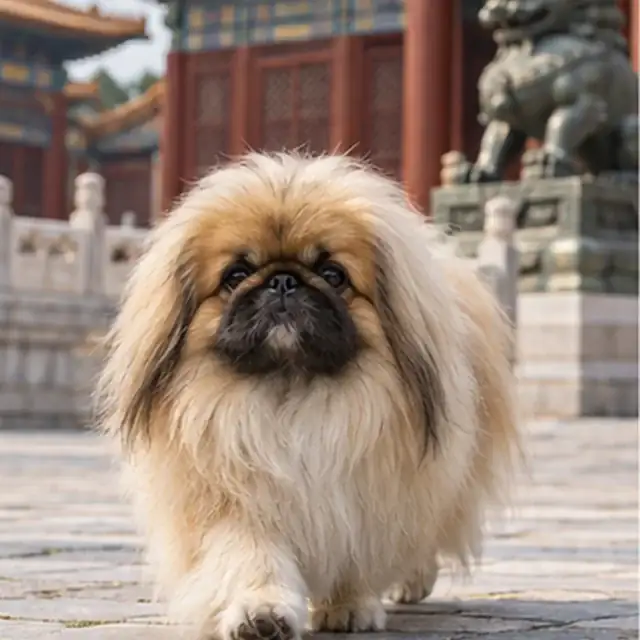
Comes from China and was a favorite of the imperial court; only members of the palace could hold it. The name is associated with Beijing. According to legend, a British officer, John Garth Dunn, brought a Pekingese to England after the Summer Palace robbery in 1860 and presented it to Queen Victoria, but this story is not confirmed by modern documents. At the turn of the century, Pekingese gained popularity in the West. Five Pekingese won Best in Show from the Westminster Club.
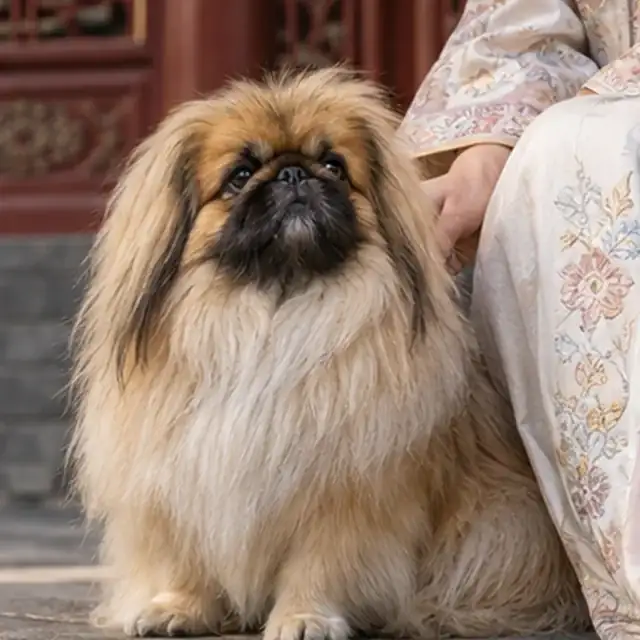
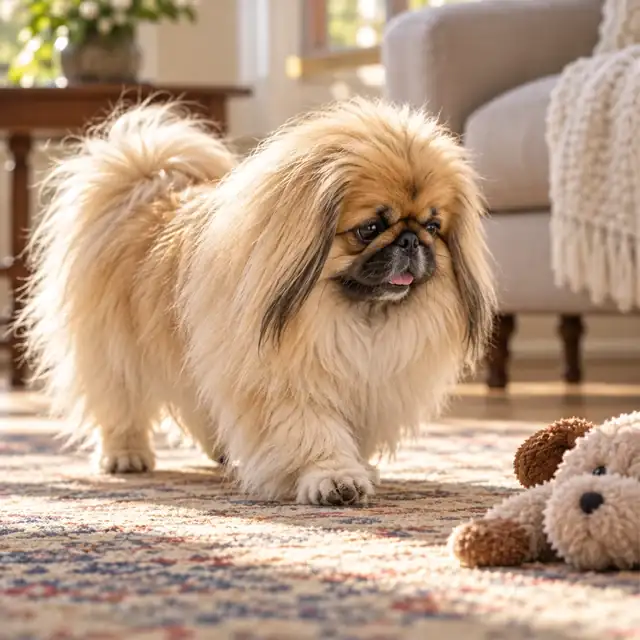
Pekingese is a miniature (15-23 cm, 3-6 kg) dog with a long luxurious coat, a flat face and a proud posture. Once a favorite of the palace, now - an independent, loyal companion. It requires daily care of the coat, caution in the heat and attention to breathing and eyes.
Suitable for an apartment. Calm, does not require heavy loads, but is sensitive to heat. A cool place at home is useful in summer.
The needs are small: about 20 minutes a day, two walks at most. If wheezing occurs, the movement is stopped, the dog is allowed to rest in coolness and water.
Independent and proud, does not like to be commanded. Classes are short, rewarding, no pressure.
Care is very time-consuming: the wool is carefully combed in both layers, never shaved, because the skin can burn. The eyes are cleaned of secretions every day, the folds on the face are cleaned so that there are no "hot spots", the long hair at the back is kept clean.
Small size and independence require careful children. Rough games are not suitable.
Generally tolerant of other animals with early socialization, however, due to its size, vulnerable with large dogs.
Estimates help compare breeds. For zooaggression, 5/5 means less tendency to aggression towards dogs. The behavior and health of a particular dog depend on many factors.
Medium-high rating: devoted to the owner, but independent. Behavior depends on upbringing.
Medium-low rating: haughty and independent.
Average score: tolerant with socialization, but vulnerable with large dogs.
In the British cohort, the median lifespan of the breed was 13.3 years. The absence of the mentioned risk does not prove the absence of hereditary diseases.
Low Score: Long double coat, daily care for eyes and creases.
Breed screening includes an assessment of the respiratory tract: a flat face causes brachycephalic syndrome, so the nasal passages and soft palate are examined. Ask the breeder for documents on the results of examinations of both parents.
Musculoskeletal system: the growth and load of the Pekingese breed should correspond to its age. Lameness, pain, or reluctance to move require a veterinary examination.
Eyes and heart are checked during routine examinations. Pekingese are prone to corneal irritation, dry eye, ulcers and lens displacement, so the eyes are examined regularly. Heat stroke is a real threat: keep cool.