Human orientation
High score: welcoming and friendly. Behavior depends on upbringing.
THE PAW CATALOG
Origin: France
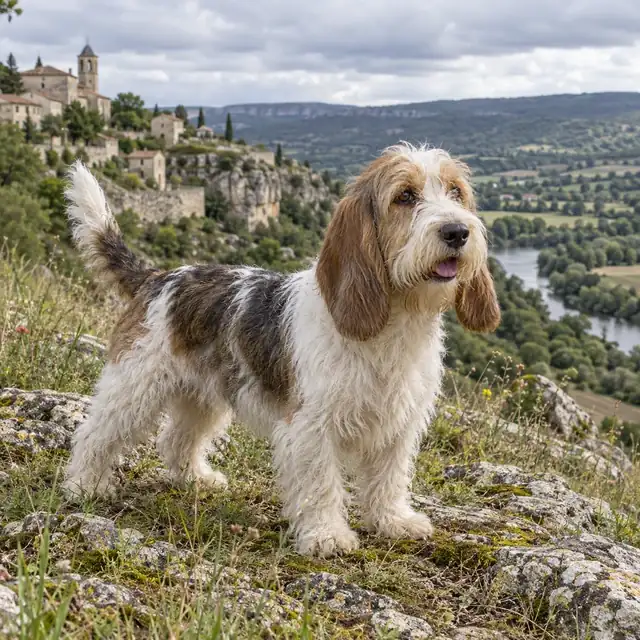
Originated on the coast of France for hunting rabbits and hares by smell. Shared early standards and litters with a large Vendée basset hound. The first standard was drawn up in 1909, for the small - in the 1950s, and both breeds were crossed until 1975.
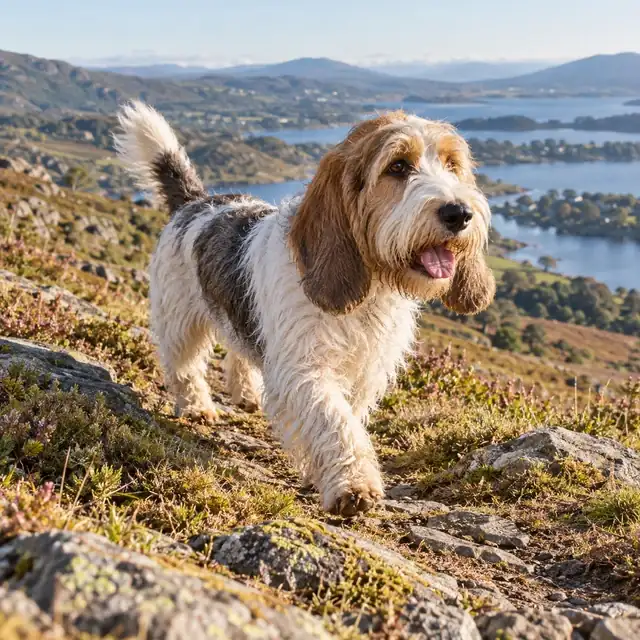
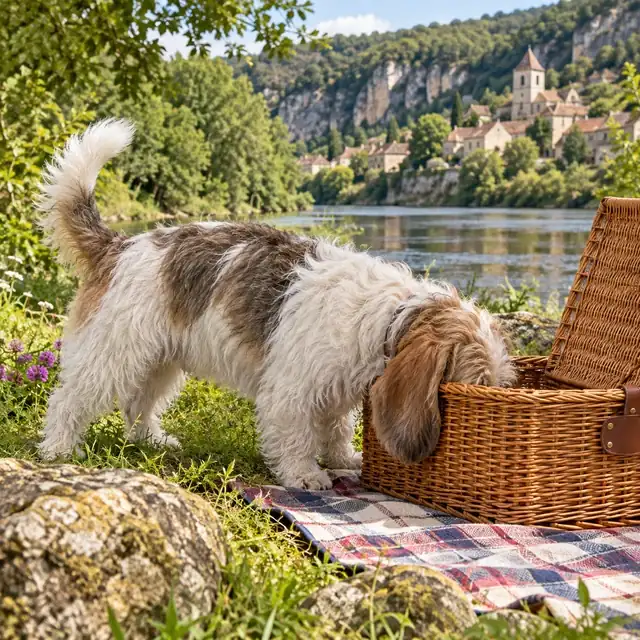
Petite Basset Griffon Vendée (PBGV) is a squat (33-38 cm, 11-18 kg) French hound with a stiff shaggy coat and lively character. Friendly, playful, a little stubborn and independent, loud. Needs daily exercise, attention to weight and ear care.
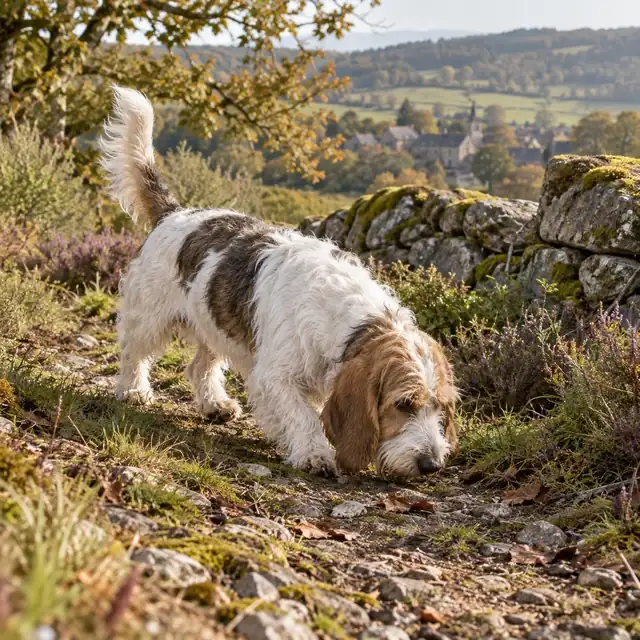
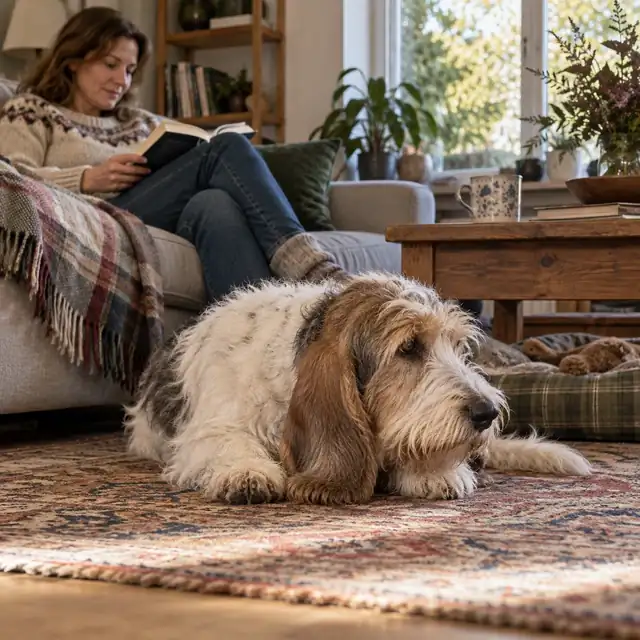
Suitable for a house with a fenced plot. Energetic, inquisitive, needs space. Loud, therefore not the best choice for an apartment.
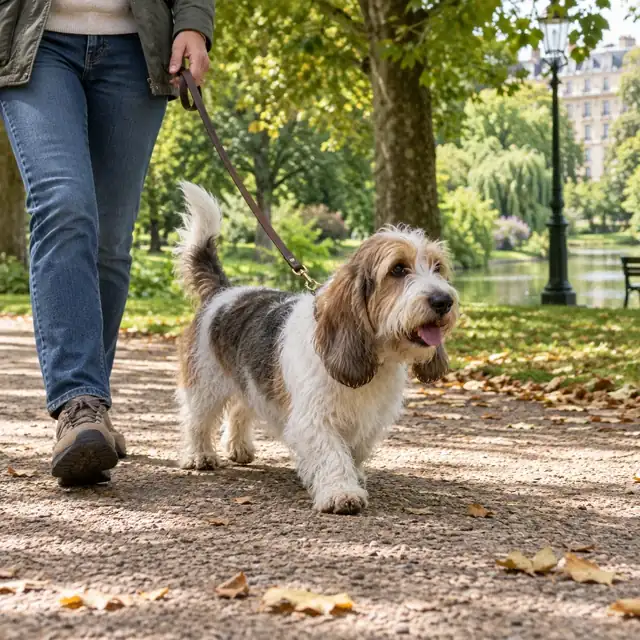
Daily walks, morning jogs, hikes or bike rides, and mental stimulation are needed. Due to the sense of smell, they are not allowed off leash in unfamiliar places.
He has his own opinion, so learning is not easy. Early socialization, interesting activities and positive reinforcement help.
The coat is combed weekly, the claws are trimmed, the ears are examined weekly, the teeth are brushed daily. They bathe about once a month.
Friendly and playful, usually gets along well with children.
Usually gets along well with other dogs. As a hound, it can chase small animals.
Estimates help compare breeds. For zooaggression, 5/5 means less tendency to aggression towards dogs. The behavior and health of a particular dog depend on many factors.
High score: welcoming and friendly. Behavior depends on upbringing.
Average score: smart, but independent.
High score: usually gets along well with dogs; the hunting instinct needs control.
In the British cohort, the median lifespan of the breed was 13.7 years. Among the described breed risks: dysplasia of the elbow joints, dislocation of the patella; examination of the parents is confirmed with the veterinarian.
Average score: coarse coat needs regular combing, and ears - inspection.
Dysplasia of the elbow joints is manifested by lameness of the front paws. They ask for the results of the parents' examinations, the load during the growth period is dosed.
With dislocation of the patella, the dog suddenly bends its hind leg while walking. The doctor assesses the extent of the dislocation, and it depends on whether treatment is needed.