Human orientation
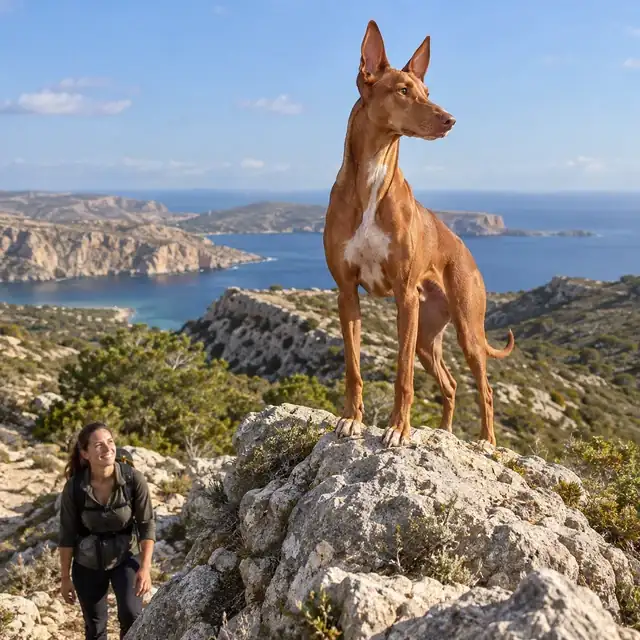
Very high score: affectionate and sociable. Behavior depends on upbringing.
THE PAW CATALOG
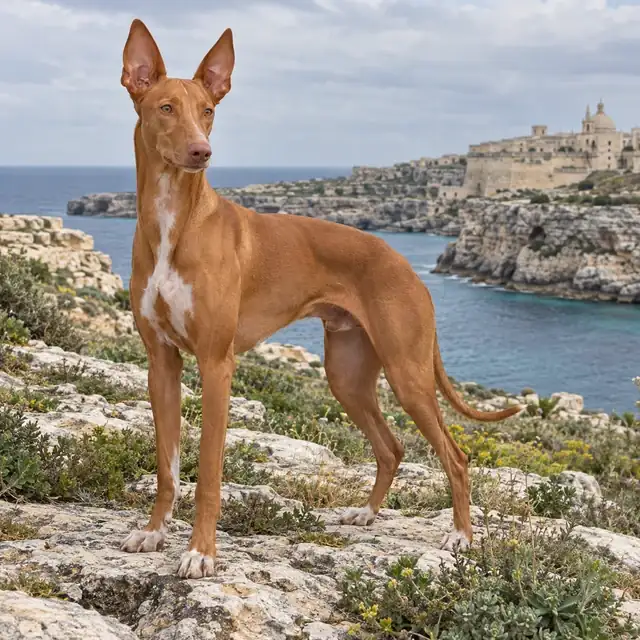
Origin: Malta
The breed was once considered one of the oldest because of its resemblance to dogs found in Egyptian tombs. It is now believed to have evolved in Malta from European hunting dogs, used for rabbit hunting, guarding and as a family companion.
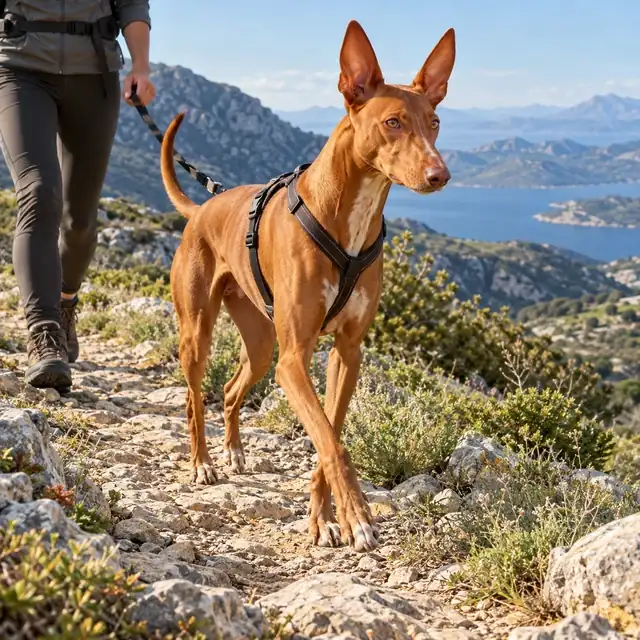
The Pharaoh Hound is a medium (53-63 cm) graceful greyhound with a short, shiny deep red coat and white markings. Intelligent, friendly, affectionate, playful; may be wary of strangers at first. Athletic, needs daily walks and runs in a safe place.

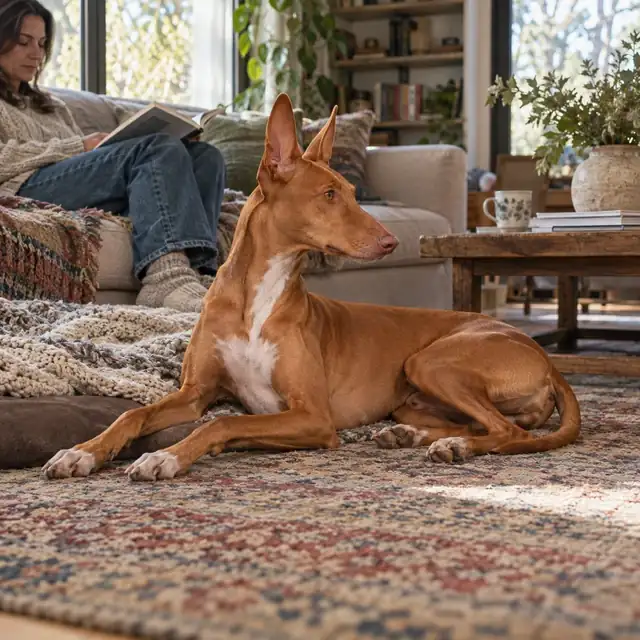
He feels best in company. Calm and well-mannered at home, fast on the street. A strong fence is needed.
Active and athletic: daily walk and run.
Intelligent, but independent, so classes are short, with rewards. Hunting instinct interferes with recall.
Once a week, it is enough to walk the wool with a brush or hand. Ears are examined, claws are trimmed.
Tolerant to children. Contacts are always under supervision.
Hunting instinct: small animals are prey. Acquaintances with other animals are cautious.
Estimates help compare breeds. For zooaggression, 5/5 means less tendency to aggression towards dogs. The behavior and health of a particular dog depend on many factors.
Very high score: affectionate and sociable. Behavior depends on upbringing.
Average score: smart but independent.
Average score: hunting instinct.
In the British cohort, the median lifespan of the breed was 10.0 years; small sample: 23 deaths. Among the described breed risks: elbow joint dysplasia, eye diseases; examination of the parents is confirmed with the veterinarian.
High score: short coat.
Dysplasia of the elbow joints: the results of examinations of both parents are requested. The weight is kept normal. Lameness is shown to the veterinarian.
Eye diseases: it is worth planning regular visits to an ophthalmologist. With any changes in the eyes, such as cloudiness or excessive discharge, consult a doctor. The results of the eye examinations of the parents are requested from the breeder.