Human orientation
Medium-high rating: gentle and calm in the family. Behavior depends on upbringing.
THE PAW CATALOG
Origin: Poland
The breed originates from Poland: it was described by Krzysztof Kluk in 1779. It is believed that it was formed from dogs of the St. Hubert type, brought to Poland in the Middle Ages and crossed with local hounds. The Second World War drastically reduced the herd. After the revival, lighter and heavier types emerged, with the heavier type recognized by the FCI as Ogar Polski in 1966. In the FCI classification, it belongs to group 6.
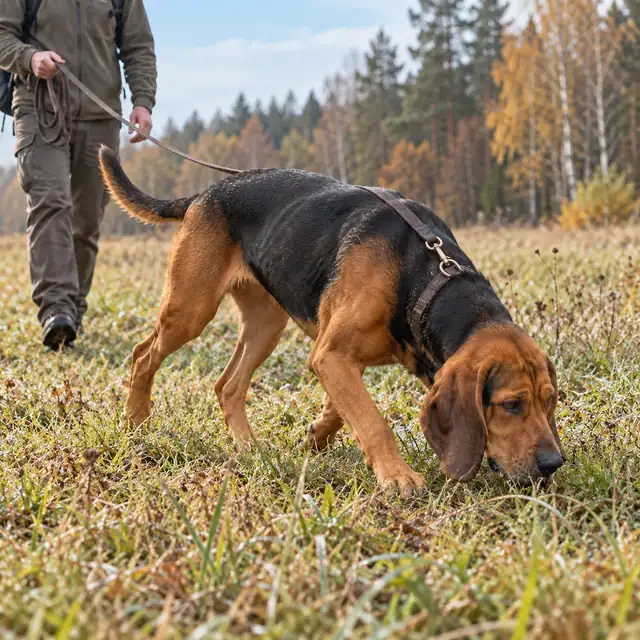
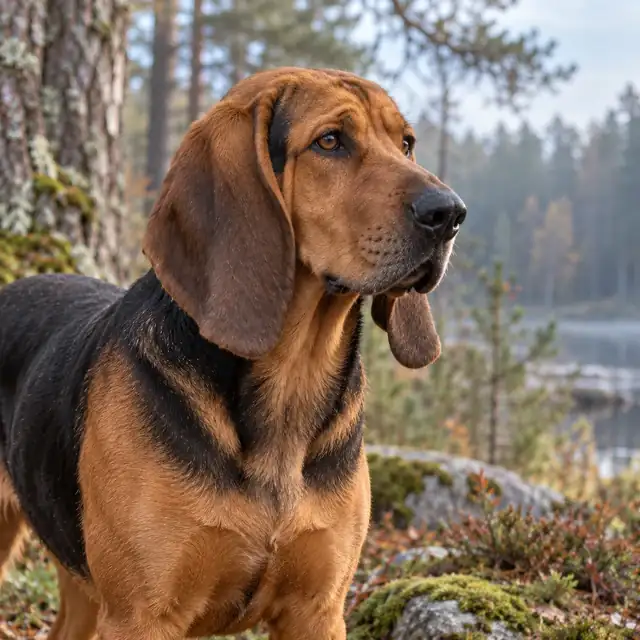
Polish hound (Polish hound) is a large (55-65 cm) hunting dog with a loud clear voice and a fine sense of smell. Balanced, gentle with his family, slowly growing up. Needs a lot of movement, space and an experienced owner who understands hunting dogs.

Suitable for hunters and active owners with a large plot. Unsuitable for living in an apartment.
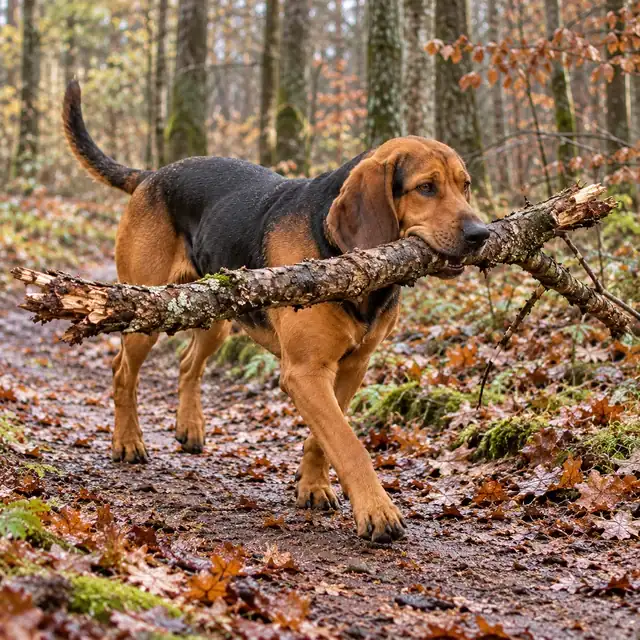
High: Long walks, running and sniff work every day.
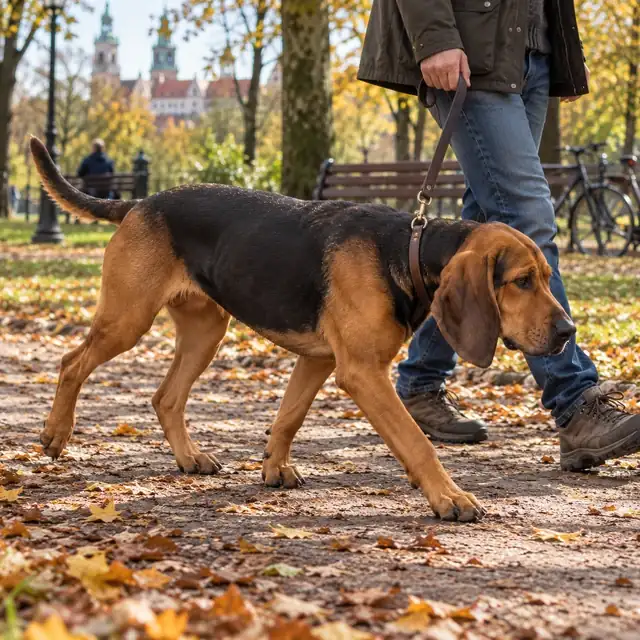
Intelligent, learns well, but the sense of smell often prevails over commands. A leash or fence is required for walks. Grows up slowly, so education stretches over time.
The thick water-repellent double coat needs combing once a week, more often during shedding. Hanging ears are examined and cleaned. Claws are trimmed, teeth are cleaned.
Calm and gentle, however, due to the size, games with children are controlled.
Generally friendly with other dogs. The hunting instinct remains, so small animals can be prey.
Estimates help compare breeds. For zooaggression, 5/5 means less tendency to aggression towards dogs. The behavior and health of a particular dog depend on many factors.
Medium-high rating: gentle and calm in the family. Behavior depends on upbringing.
Average score: intelligent, but the sense of smell interferes with concentration.
Average score: friendly with dogs, small animals - prey.
There is no comparable survival estimate for the breed in the British cohort used. The absence of the mentioned risk does not prove the absence of hereditary diseases.
Average score: Short coat, but needs regular walks and ear care.
Breed screening: detailed data on hereditary diseases of the Polish Hound breed are scarce. Ask the breeder for documentary results of examinations of both parents and current recommendations of the club.
Musculoskeletal system: growth, weight and load of the "Polish Hound" breed should correspond to the age. Pain, lameness, or reluctance to move require a veterinary examination.
During preventive visits, the veterinarian checks the eyes and the heart. The frequency of special examinations is determined according to the recommendations of the club and the veterinarian. It is useful to keep the results in the veterinary passport.