Human orientation
Average rating: brave hunter, gentle in the family. Behavior depends on upbringing.
THE PAW CATALOG
Origin: Poland
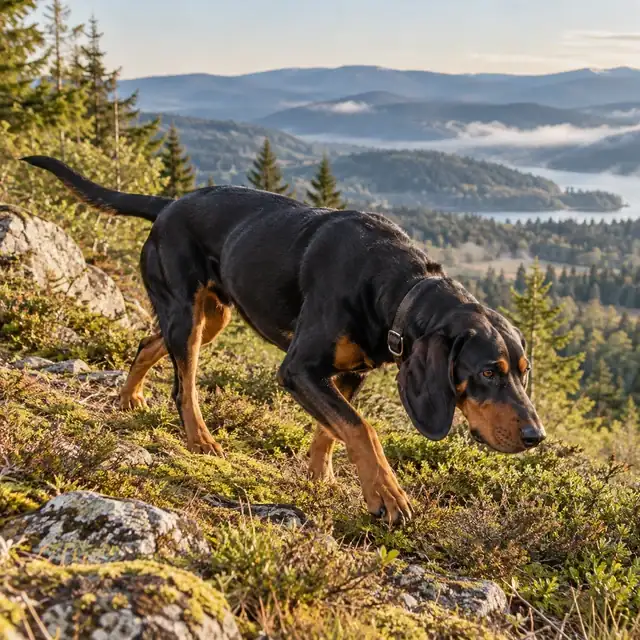
It is believed that the breed originated from dogs of the Saint Hubert type, which were brought to Poland from France and Italy. Written references to hunting with such dogs date back to the 13th century. During the Second World War, the herd almost disappeared, and in the 1950s both types of Polish hounds were restored. The smaller type was later separated into a separate breed. Such dogs work well in mountainous terrain.
Polish hunting dog (Polish hound) is a medium compact hunting hound with a strong, not heavy body structure. Brave at work, gentle with family, wary of strangers. Needs a lot of movement and reliable fencing.

Suitable for hunters and very active owners. Unsuitable for an apartment: movement, space and olfactory training are needed.
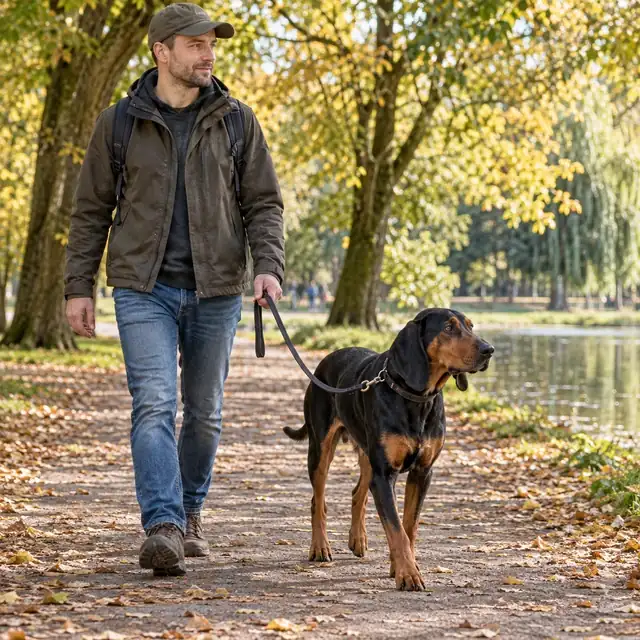
High: Brisk walks, runs, hikes, and fetch games every day.
A strong sense of smell distracts from commands, so walks require a leash or a fenced area. Consistent, gentle training with rewards works better than pressure.
The short, shiny coat needs weekly brushing. Hanging ears are examined and cleaned in order to detect an infection in time. Claws are trimmed, teeth are cleaned.
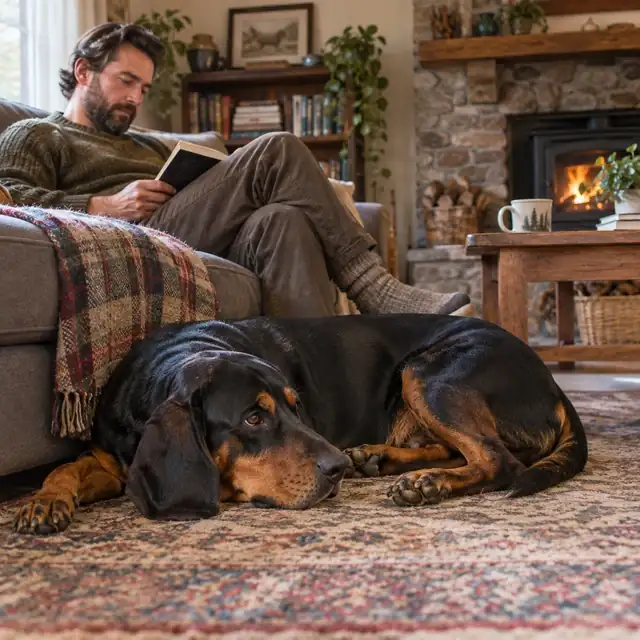
Gentle in the family, but very energetic. Games with children are supervised.
He works in a pack, so he usually gets along with dogs. Small animals are perceived as prey.
Estimates help compare breeds. For zooaggression, 5/5 means less tendency to aggression towards dogs. The behavior and health of a particular dog depend on many factors.
Average rating: brave hunter, gentle in the family. Behavior depends on upbringing.
Average score: the sense of smell distracts from commands.
Medium-high rating: works in packs, but preys on small animals.
There is no comparable survival estimate for the breed in the British cohort used. The absence of the mentioned risk does not prove the absence of hereditary diseases.
High score: Short coat, but requires ear care and activity.
Breed Screening: Little is known about hereditary diseases of the Polish Hunting Dog breed. The breeder is asked for documents with the results of examinations of both parents and current recommendations of the club.
Musculoskeletal system: the growth and load of the "Polish Hunting Dog" breed should correspond to its age. Lameness, pain, or reluctance to move require a veterinary examination.
Eyes and heart need regular attention from a doctor. The frequency of special examinations is determined according to the recommendations of the club and the veterinarian. It is useful to keep the results in the veterinary passport.