Human orientation
Very high score: loves attention, alert and attached to the family. Behavior depends on upbringing.
THE PAW CATALOG
Origin: Germany
The Pomeranian Spitz comes from the larger German Spitz, and the name is associated with Pomerania, a historical region in the north of present-day Poland and Germany. Queen Charlotte brought two such dogs to England in 1767. During the lifetime of Queen Victoria, the breed was reduced by about half. The English Kennel Club recognized her in 1890, now she is in the decorative group. In the FCI classification, it belongs to group 5.
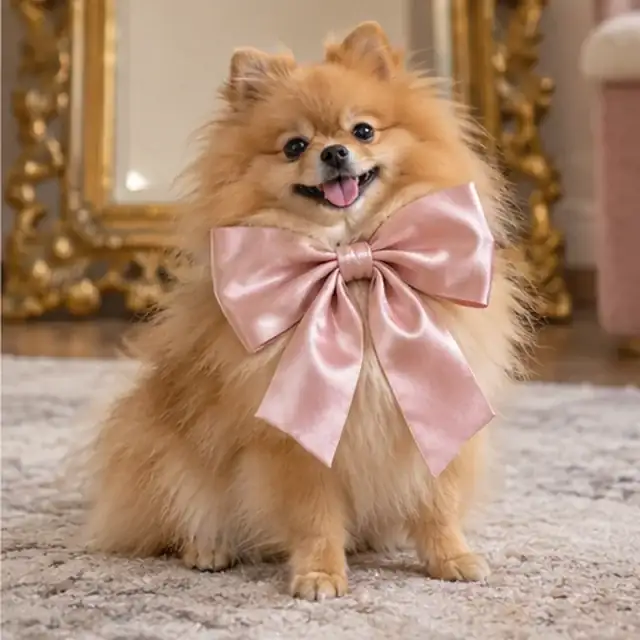
The Pomeranian Spitz is a small (usually 1.8-2.5 kg) dog with a lush double coat, a fox face and a lively character. Playful, friendly, alert and vocal. Needs regular coat care, work on barking and care with fragile body.

Suitable for an apartment. Loves attention, gladly follows the owner and reacts vigilantly to strangers.
It does not require a large load, enough for walks and games.
Smart and willing to learn, but can be stubborn in his desires. Barking should be corrected from the first months. Classes are short and fun.
The lush coat needs brushing about twice a week with a soft slicker brush, especially behind the ears, under the armpits and on the hind legs. Ears are cleaned, nails are trimmed, eyes are wiped, bathed approximately once a month. During shedding, the undercoat is combed with a comb.
This is not a dog for small children: it is tiny and fragile. Games with babies are supervised, and jumping from furniture is dangerous.
Usually friendly, but not aware of its size and can quarrel with large dogs. Dating under supervision.
Estimates help compare breeds. For zooaggression, 5/5 means less tendency to aggression towards dogs. The behavior and health of a particular dog depend on many factors.
Very high score: loves attention, alert and attached to the family. Behavior depends on upbringing.
Average score: smart but stubborn.
Average score: friendly, but not aware of his size.
In the British cohort, the median lifespan of the breed was 12.2 years. Among the described breed risks: dysfunction of the thyroid gland, epilepsy, dislocation of the patella; examination of the parents is confirmed with the veterinarian.
Low rating: A lush double coat needs regular grooming.
Dysfunction of the thyroid gland: hormones are checked for signs of inactivity, weight gain and skin problems.
Epilepsy: seizures require veterinary examination. The breeder is asked about cases of epilepsy in the pedigree.
Dislocation of the patella: intermittent lameness on the hind leg. The degree is determined by the veterinarian; this risk is typical for small breeds. Tracheal collapse and alopecia X (hereditary hair loss) also occur.