Human orientation
High score: gentle and eager for attention. Behavior depends on upbringing.
THE PAW CATALOG
Origin: France
It is believed that the breed is descended from the English Harrier and other European hounds. In France, it has been known since 1845, in Switzerland - since 1880. After the French Revolution, it almost disappeared, but later it was revived. They hunted hares, roe deer and wild boars in packs in the northern regions.
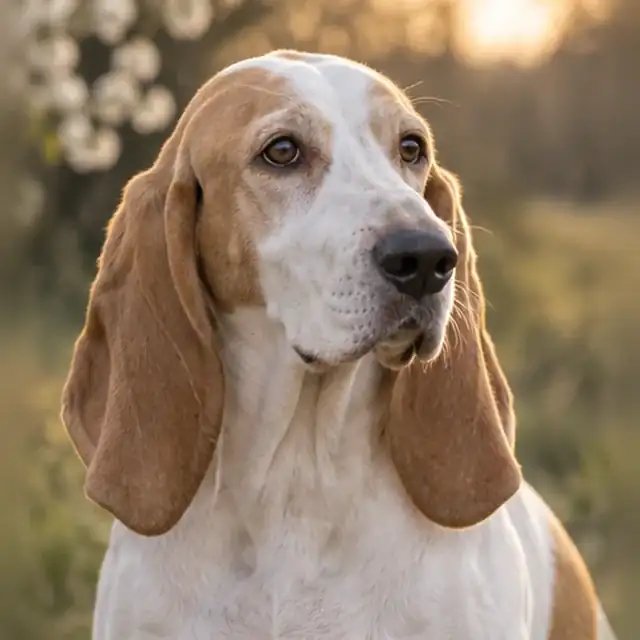
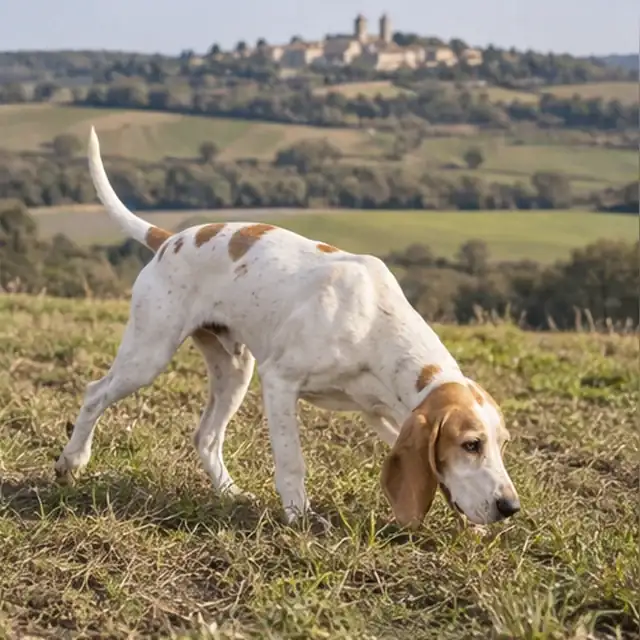
Porcelain is a medium (53-58 cm) French-Swiss Hound with a fine, shiny white coat and orange spots. Gentle, friendly, loves attention, and his voice is melodious while working. A strong sense of smell and a hunting instinct require space and a mobile owner.

Suitable for energetic families with their own house and a fenced plot. Little is suitable for an apartment: you need movement, activities and human communication.
Movement, olfactory games and communication with people are needed every day.
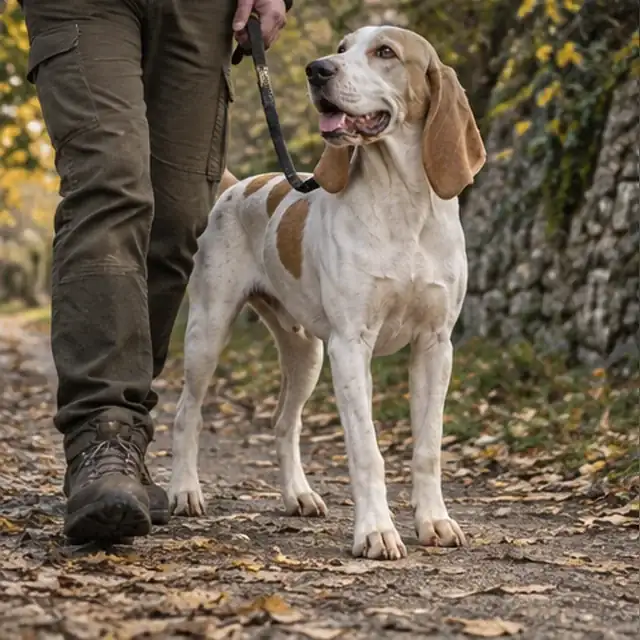
Friendly and not timid, but the hunting instinct is strong, so recall requires patience. On walks - a leash or a fenced place.
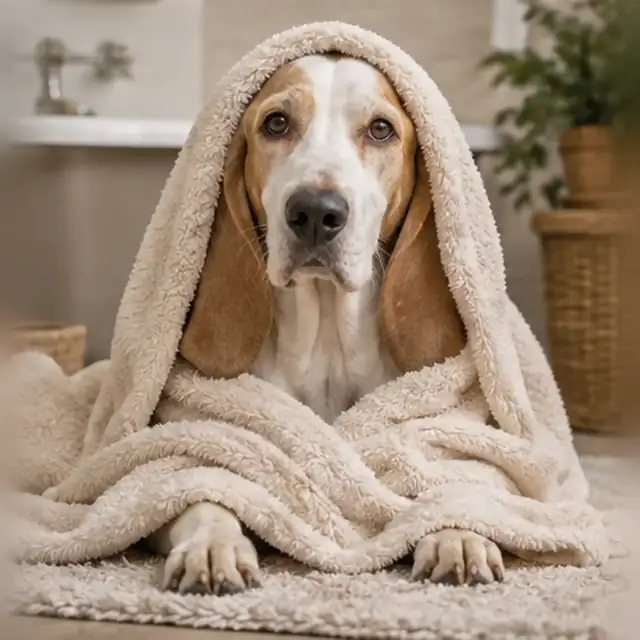
The thin close-fitting coat needs weekly brushing and infrequent bathing. Ears are examined, nails are trimmed, teeth are cleaned.
Attached to family and children, loves family activities. Contacts with children are supervised.
He is used to working in a pack, so he usually gets along with dogs. Small animals can become prey.
Estimates help compare breeds. For zooaggression, 5/5 means less tendency to aggression towards dogs. The behavior and health of a particular dog depend on many factors.
High score: gentle and eager for attention. Behavior depends on upbringing.
Average score: the sense of smell is distracting.
Average score: peaceful with dogs, small animals - prey.
There is no comparable survival estimate for the breed in the British cohort used. The absence of the mentioned risk does not prove the absence of hereditary diseases.
High rating: Short coat, but movement and ear care required.
Breed screening: descriptions of hereditary diseases of the "Porselen" breed are few. Ask the breeder for the written results of the parents' examinations and the current requirements of the club.
Musculoskeletal system: growth, weight and load of the "Porselen" breed should correspond to age. Pain, lameness, or reluctance to move require a veterinary examination.
Eyes and heart are checked during routine examinations. How often to do special examinations is suggested by the breed club and the doctor. It is useful to keep the results in the veterinary passport.