Human orientation
High score: Loyal and cheerful. Behavior depends on upbringing.
THE PAW CATALOG
Origin: Portugal
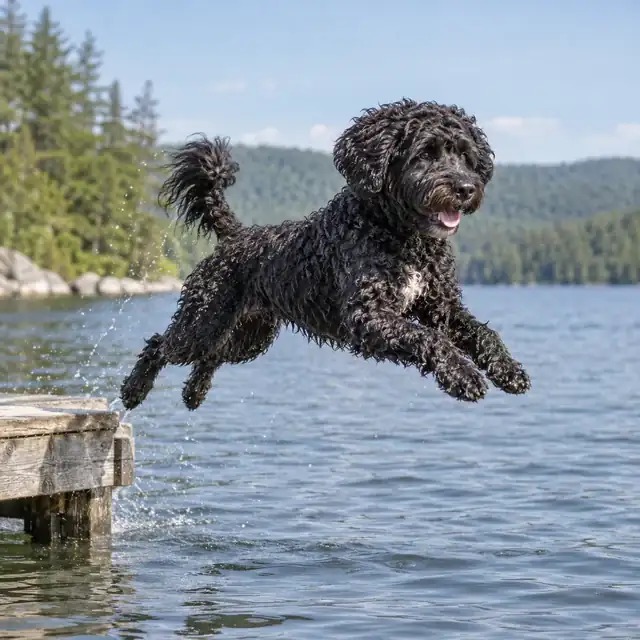
Originated in Portugal, where he helped fishermen: pulled nets, drove fish, brought tools and transmitted messages between boats. Modern technology has made this work unnecessary, so the breed is now mainly a companion.
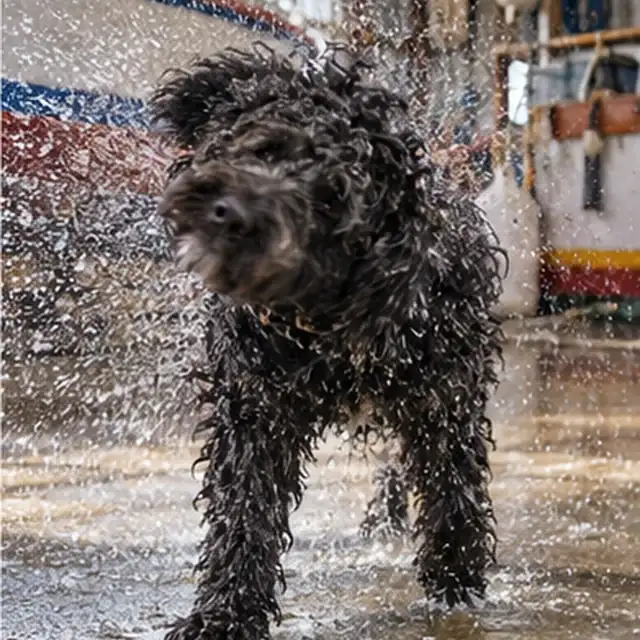
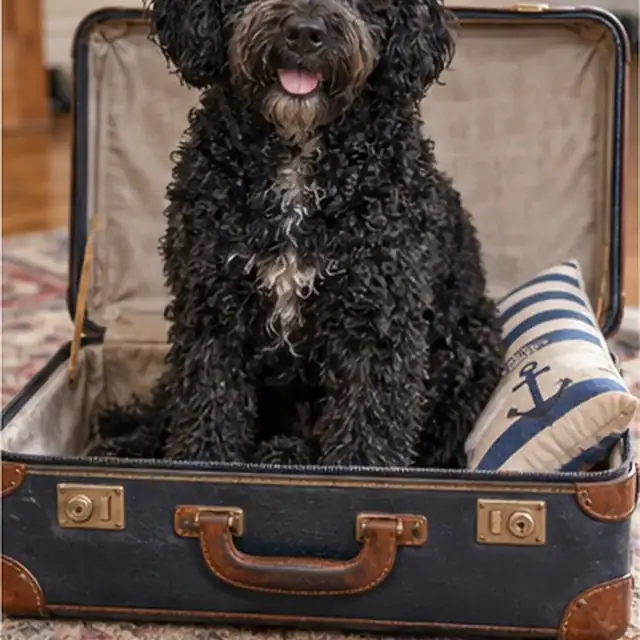
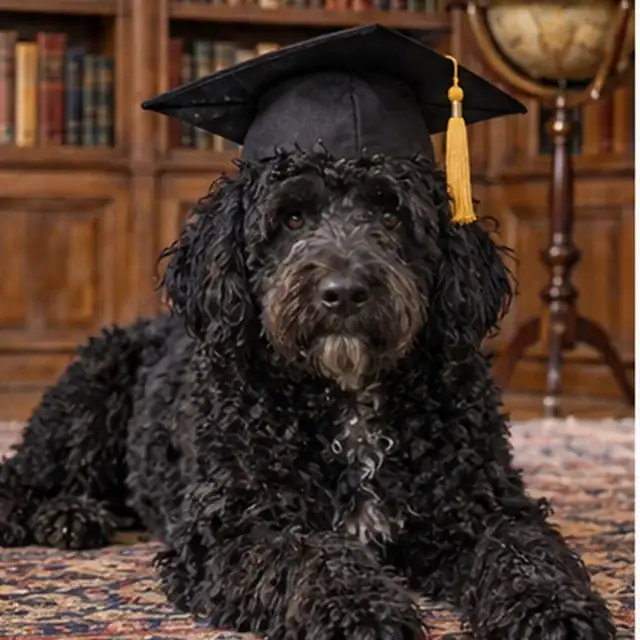
The Portuguese Water Dog is a sturdy medium (43-57 cm, 16-25 kg) swimmer with a curly or wavy coat that does not shed. Intelligent, devoted, energetic and strong-willed. Needs daily exercise, water and regular care.
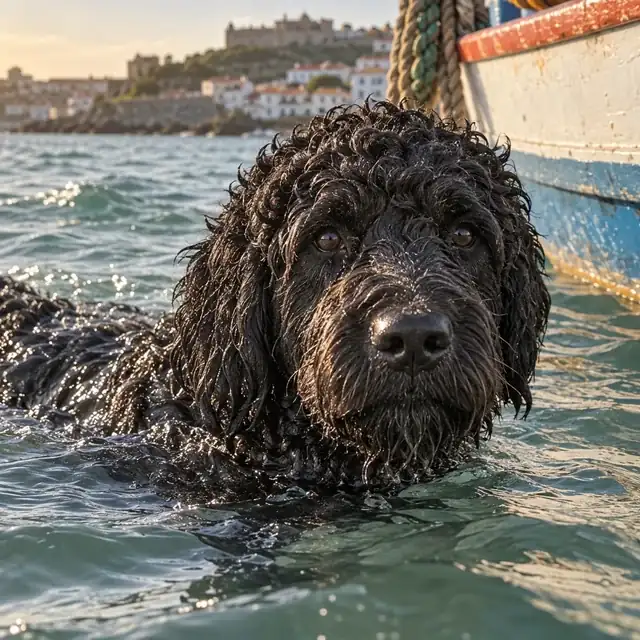
Suitable for active families who love water and movement. Likes to be around people.
High: daily walks, running and swimming.
Smart and strong-willed, sometimes checks the limits of what is allowed. Consistent training and reward-based training is required.
Combing once a week, bathing approximately monthly, trimming every 3-4 months. Ears are examined, claws are trimmed.
Loyal and cheerful. Because of their energy, games with babies are supervised.
Generally gets along with other animals during socialization.
Estimates help compare breeds. For zooaggression, 5/5 means less tendency to aggression towards dogs. The behavior and health of a particular dog depend on many factors.
High score: Loyal and cheerful. Behavior depends on upbringing.
High score: intelligent but strong-willed.
Medium-high rating: gets along well with socialization.
In the British cohort, the median lifespan of the breed was 13.0 years; small sample: 36 deaths. The absence of the mentioned risk does not prove the absence of hereditary diseases.
Low rating: curly coat needs brushing and clipping.
Pedigree screening: progressive retinal atrophy, microphthalmia, juvenile dilated cardiomyopathy and GM1 gangliosidosis have been described. Ask the breeder for the test results of both parents.
Dysplasia of the hip joints: the results of the parents' examinations are requested, the weight is kept normal, and the lameness is shown to the veterinarian.
Eye diseases: the condition of the eyes is periodically evaluated by a veterinary ophthalmologist. Squinting, redness, or cloudy corneas require examination, not waiting.