Human orientation
Very high score: gentle, loyal and very sociable. Behavior depends on upbringing.
THE PAW CATALOG
Origin: China; patronage of Great Britain
The ancestors of pugs lived in China more than two thousand years ago, they were bred as companions for emperors. In the 16th century, they were brought to Europe by Dutch traders. The American Kennel Club (AKC) recognized the breed in 1885.
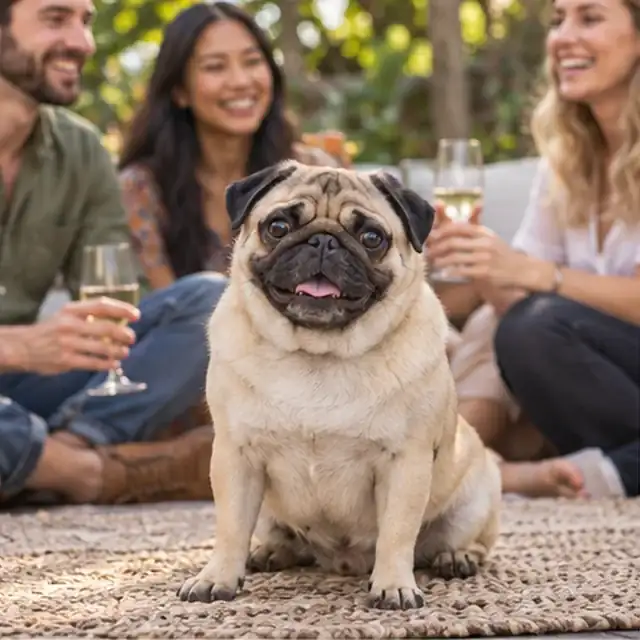
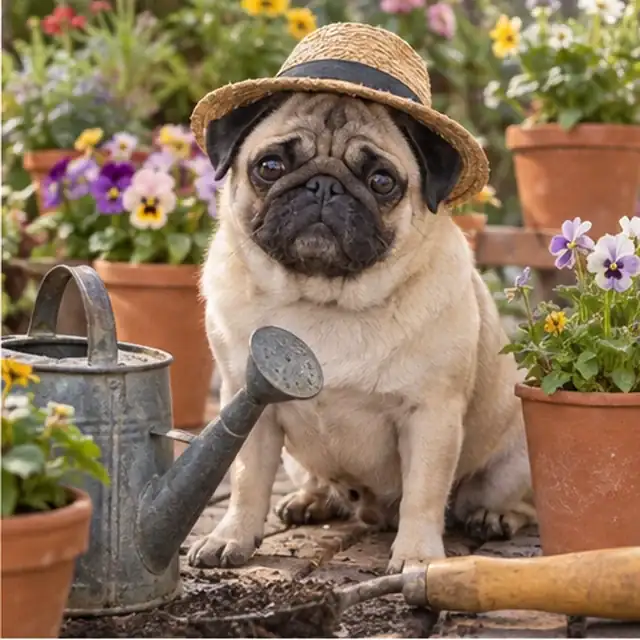
A pug is a compact (25-33 cm, 6-8 kg) companion dog with a flat face, wrinkles, and short smooth fur: fawn, black, silver, or apricot, usually with a black mask. Gentle, balanced, playful and very sociable. Requires careful attitude to breathing, eyes and heat.
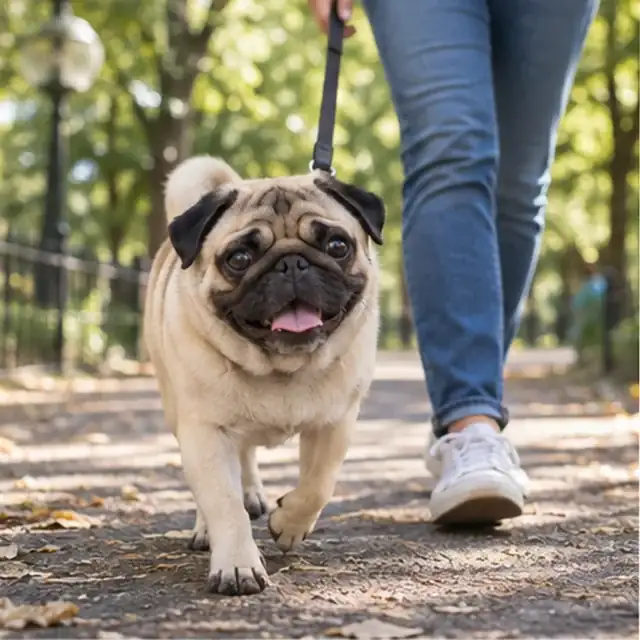
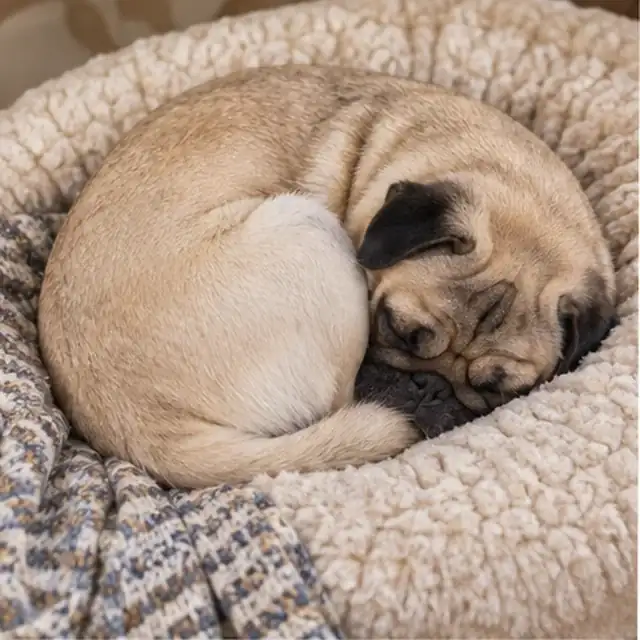
Suitable for an apartment. Requires daily moderate activity, protection from heat and humidity, and access to conditioned air. Does not like loneliness.
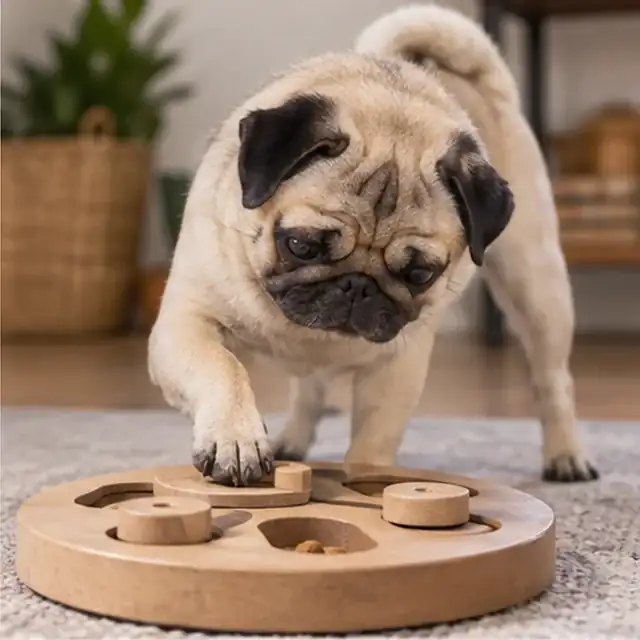
Moderate daily walks and play at home are required. Due to the flat muzzle, intense loads and heat are avoided. Short games are enough for puppies, calm walks are enough for older dogs.
Sociable and willing to please, but sometimes stubborn. Classes are short, with treats. Watch their weight, because pugs are prone to obesity.
The wool is combed 2-3 times a week. They are bathed once every 3-4 weeks, the claws are trimmed every 2-3 weeks. Wrinkles on the face are wiped often, ears are cleaned approximately once every two weeks, teeth are cleaned at least three times a week.
Gentle, balanced and playful, gets along well with children. Rough games and falls are dangerous for him, so contacts are supervised.
Very sociable, usually gets along with other dogs and animals.
Estimates help compare breeds. For zooaggression, 5/5 means less tendency to aggression towards dogs. The behavior and health of a particular dog depend on many factors.
Very high score: gentle, loyal and very sociable. Behavior depends on upbringing.
Medium-high rating: willing to please, but stubborn.
High Score: Usually peaceful and sociable.
In the British cohort, the median lifespan of the breed was 11.6 years. Among the described breed risks: eye diseases; examination of the parents is confirmed with the veterinarian.
Average score: short coat, but wrinkles, ears and teeth need regular grooming.
Eye diseases in pugs include corneal ulcers, dry eye and drooping of the eyeball. Regular examinations by a veterinary ophthalmologist help to notice changes in time. A flat face further complicates breathing, so an airway assessment is helpful.