Human orientation
High score: attached to family, mistrustful of strangers. Behavior depends on upbringing.
THE PAW CATALOG
Origin: Hungary
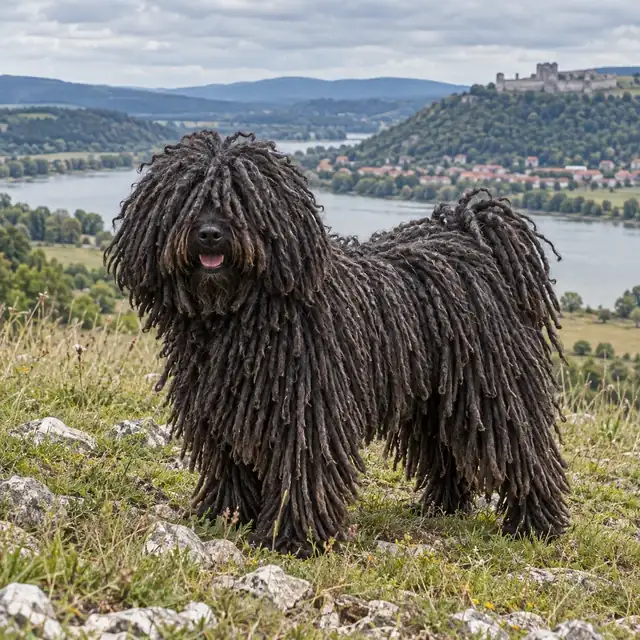
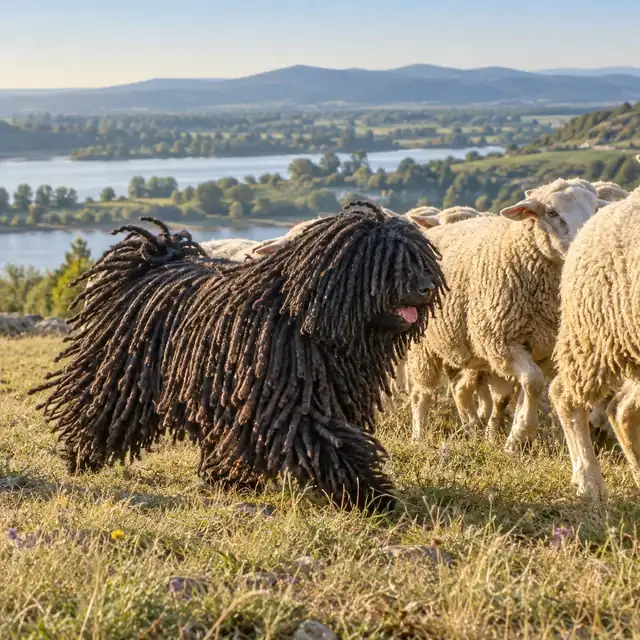
It is believed that the Puli came with the Magyars from Central Asia over a thousand years ago. Puli developed as a shepherd's companion on the Hungarian plains, now they are the "national property" of Hungary.
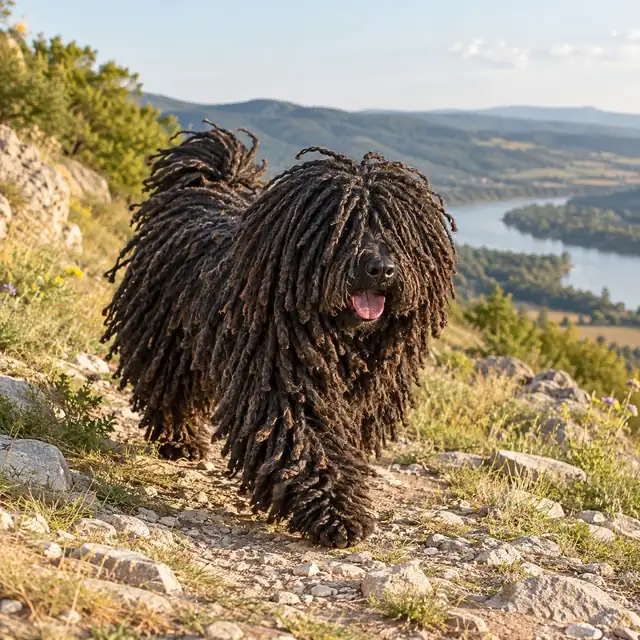
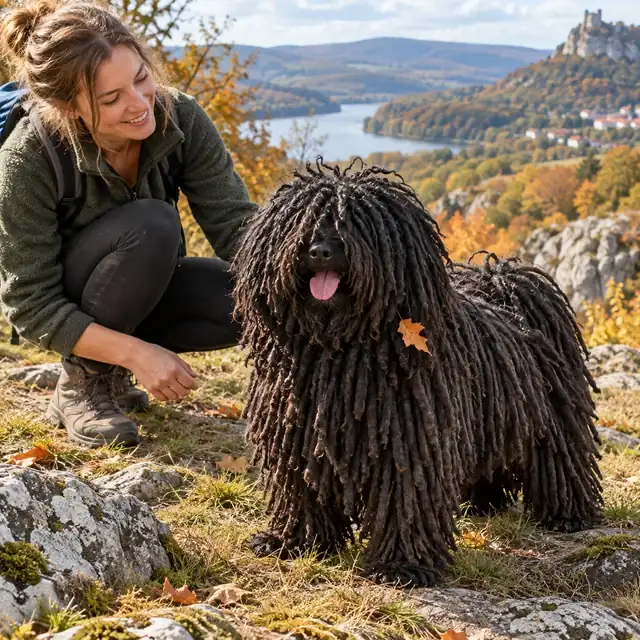
Puli is a small (37-44 cm, 10-15 kg) Hungarian shepherd dog with a cord-like coat that does not shed. Attached, smart and loyal, wary of strangers. Requires a lot of attention and complex cord care.
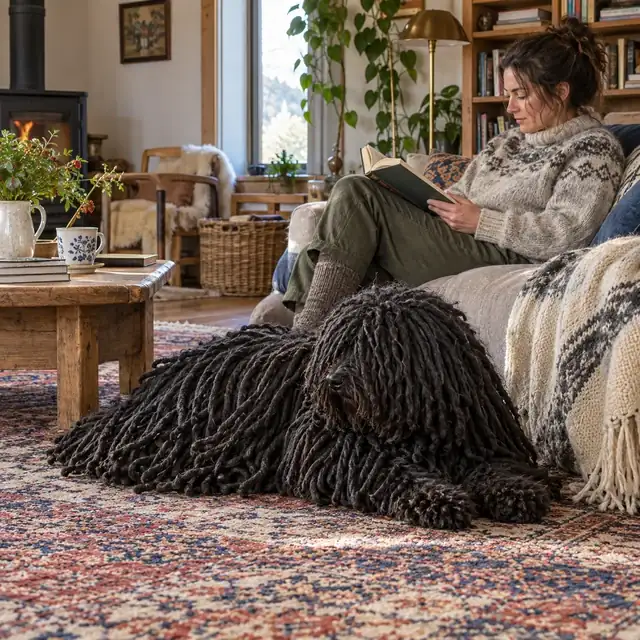
Suitable for families that love a dog at home. Tied to the house, needs communication.
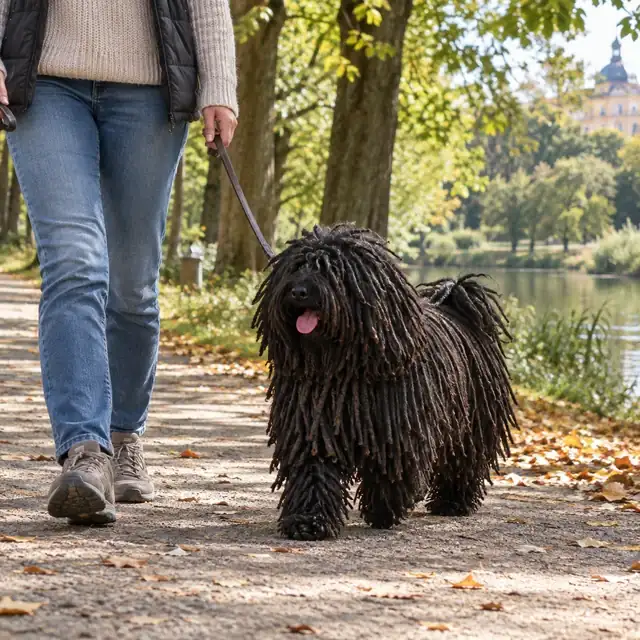
About 20 minutes a day: walks, games and sports (agility, obedience).
A quick learner and eager to please, but can be domineering. Consistency is required.
Cords are formed between the sixth and twelfth months of life, they are separated so that they do not stray. Bathing and drying are long, mostly by hand. Fully cord-like wool dries for a long time.
A family companion who needs quality time with people. Contacts with children under supervision.
It is necessary to teach early to perceive other dogs and animals.
Estimates help compare breeds. For zooaggression, 5/5 means less tendency to aggression towards dogs. The behavior and health of a particular dog depend on many factors.
High score: attached to family, mistrustful of strangers. Behavior depends on upbringing.
Medium-high rating: smart, but dominant.
Average score: needs early socialization.
In the British cohort, the median lifespan of the breed was 13.3 years; small sample: 39 deaths. Among the described breed risks: hip dysplasia, degenerative myelopathy; examination of the parents is confirmed with the veterinarian.
Very low rating: cords require complex maintenance.
Dysplasia of the hip joints: the results of X-ray evaluations of the parents are studied before the purchase. A flat surface and moderate walks help the joints during the growing season. Lameness is shown to the veterinarian.
Degenerative myelopathy: A progressive lesion of the spinal cord that an available genetic test can help detect. Ask the breeder for results.