Human orientation
High score: alert, attached to the family. Behavior depends on upbringing.
THE PAW CATALOG
Origin: Hungary
It was created in Hungary in the 17th and 18th centuries by crossing the Puli with shepherd dogs from France and Germany. It has been mentioned under its current name since 1815. He works as a shepherd and watchman. In the FCI classification, it belongs to group 1.
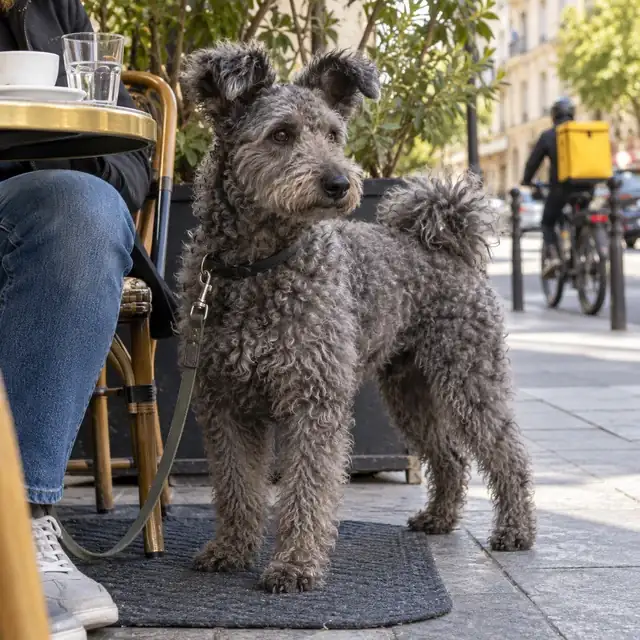
Pumi is a small Hungarian herding dog (38-47 cm, 8-15 kg) with thick curly hair and characteristic half-standing ears. Energetic, lively, alert, very vocal. Needs lots of exercise, secure enclosure and early socialization.

Suitable for active owners with a private house. Loudness complicates life in a multi-story building.
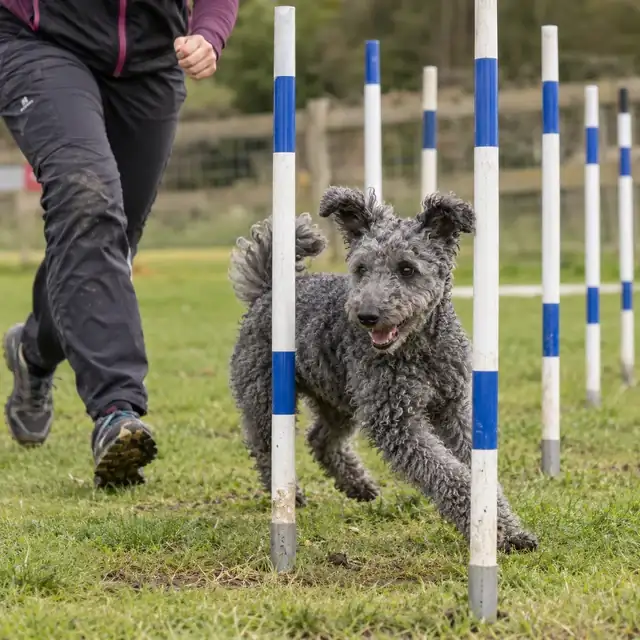
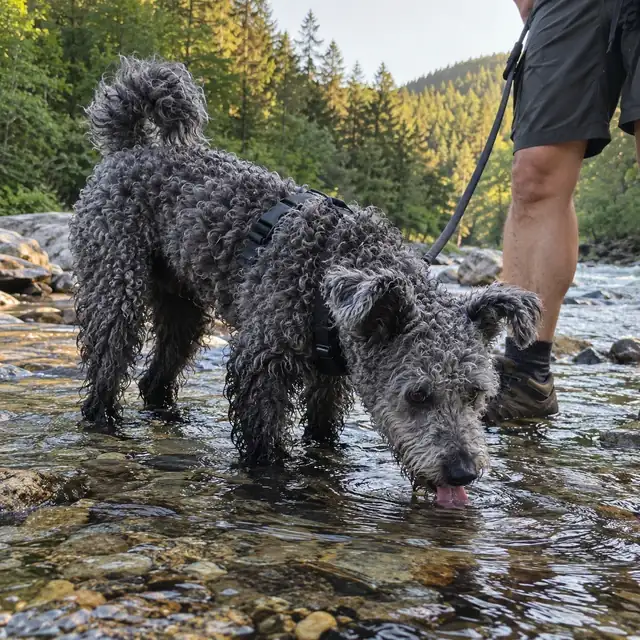
High: Long walks, games and mental tasks every day.
Lively and smart, but strong-willed and excitable. Early socialization and consistent upbringing are essential. He likes to travel, so he needs a safe fence.
Wool, unlike wool, does not get tangled in cords, it is enough to comb and brush out sometimes. Ears are examined, claws are trimmed.
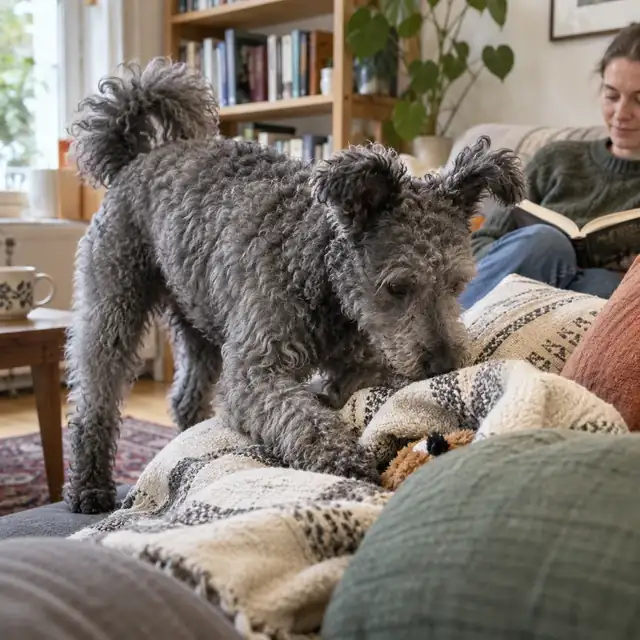
Energetic and excitable, so games with babies are supervised.
Able to drive even larger animals. Contacts with other animals and small children are controlled.
Estimates help compare breeds. For zooaggression, 5/5 means less tendency to aggression towards dogs. The behavior and health of a particular dog depend on many factors.
High score: alert, attached to the family. Behavior depends on upbringing.
Medium-high rating: smart, but strong-willed.
Average score: shepherd's instinct.
There is no comparable survival estimate for the breed in the British cohort used. Among the described breed risks: dysplasia of the hip joints, dislocation of the patella, degenerative myelopathy; examination of the parents is confirmed with the veterinarian.
Average score: Curly wool without cords requires moderate care.
Hip Dysplasia: Parents look at joint health before choosing a puppy. A flat surface and moderate walks help the joints during the growing season. Lameness is shown to the veterinarian.
With dislocation of the patella, the dog suddenly bends its hind leg while walking. The doctor assesses the extent of the dislocation, and it depends on whether treatment is needed. Excess weight is removed because it increases the load.
Degenerative myelopathy: A progressive lesion of the spinal cord that an available genetic test can help detect. Ask the breeder for results.
Eye diseases: it is worth planning regular visits to an ophthalmologist. Squinting, redness, or cloudy corneas require examination, not waiting.