Human orientation
Medium-high rating: devoted to family and independent. Behavior depends on upbringing.
THE PAW CATALOG
Origin: France
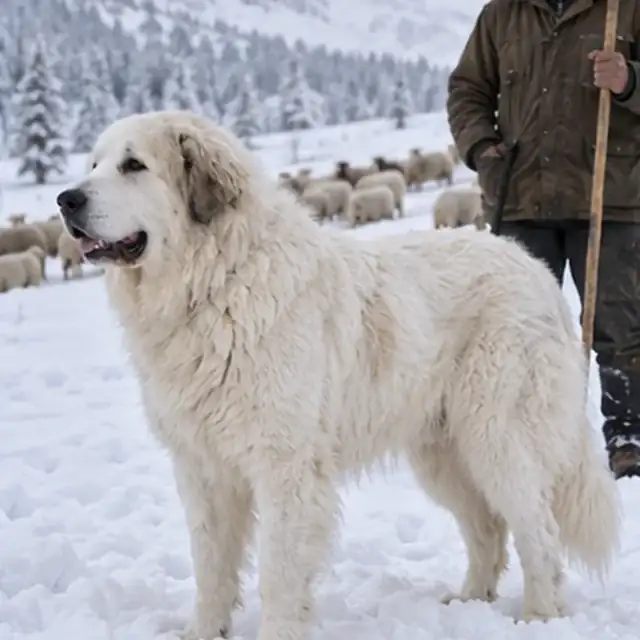
The guardian of the flock from the French Pyrenees. It was brought to Australia in 1843 to protect sheep. Nowadays, most are family companions, although some continue the traditional work.
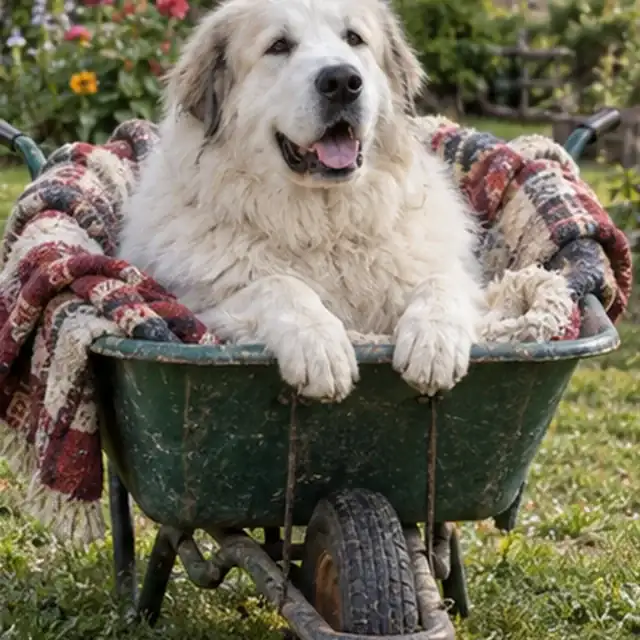
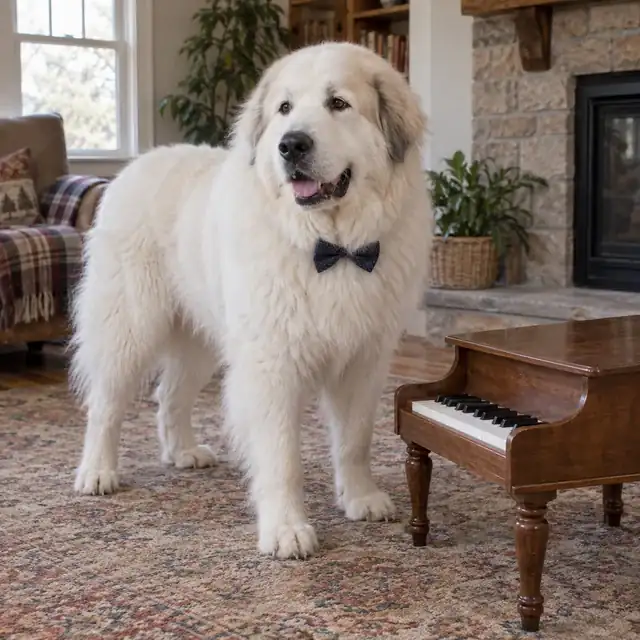
The Pyrenean mountain dog is a very large (at least 65-70 cm, up to 40-50 kg) white guard dog with long dense fur. Confident, calm, devoted to his family and independent. Needs space, early upbringing and care for thick wool.

Suitable for families with a spacious yard and a strong fence. It is best with a cool place at home: it is less active in the heat.
Adult Pyrenees are loaded as much as the owner allows. Walks are moderate, limited in the heat.
Independent, he is more likely to be "led" than drilled, but basic obedience is required from an early age. Early socialization is a must.
The coat is long and dense and requires regular but not frequent grooming and bathing as needed. The thin undercoat sheds in the spring. The tail is fluffy, the fur on the hind legs is thinner and woollier.
Many families keep Pyrenees, but because of the size, contact with children is under supervision.
The protector of the herd, therefore the guarding instinct is strong. Acquaintance with animals is gradual.
Estimates help compare breeds. For zooaggression, 5/5 means less tendency to aggression towards dogs. The behavior and health of a particular dog depend on many factors.
Medium-high rating: devoted to family and independent. Behavior depends on upbringing.
Average score: independent.
Average score: guarding instinct.
In the British cohort, the median lifespan of the breed was 10.9 years. Among the described birth risks: dysplasia of the hip joints, dislocation of the patella, bloat or twisting of the stomach; examination of the parents is confirmed with the veterinarian.
Medium-low rating: thick wool, but care is not daily.
Dysplasia of the hip joints: the results of examinations of both parents are requested. The weight is kept normal. If the dog is limping or reluctant to get up, it is examined by a doctor.
A dislocation of the patella is often noticeable by short "bounces" on the hind leg during running. The doctor assesses the extent of the dislocation, and it depends on whether treatment is needed. Excess weight is removed because it increases the load.
Bloating or stomach upset: the portion is divided into several feedings, and the dog is allowed to rest after eating. A swollen, hard stomach, restlessness and futile urges to vomit are a reason to go to the clinic immediately.
Eye diseases: regular examinations by a veterinary ophthalmologist. Redness, cloudiness or excessive tearing are not ignored. The results of the eye examinations of the parents are requested from the breeder.