Human orientation
High score: quiet and proud, attached to the family. Behavior depends on upbringing.
THE PAW CATALOG
Origin: South Africa and Zimbabwe
Bred in South Africa in the 1900s from mixing several hunting breeds. The "backbone" may have come from the dogs of the Koikoin people, but this has not been proven. Because of its use in hunting lions, the breed was called the "lion dog". The standard was drawn up in 1922. The first ridgeback came to Australia in 1966.
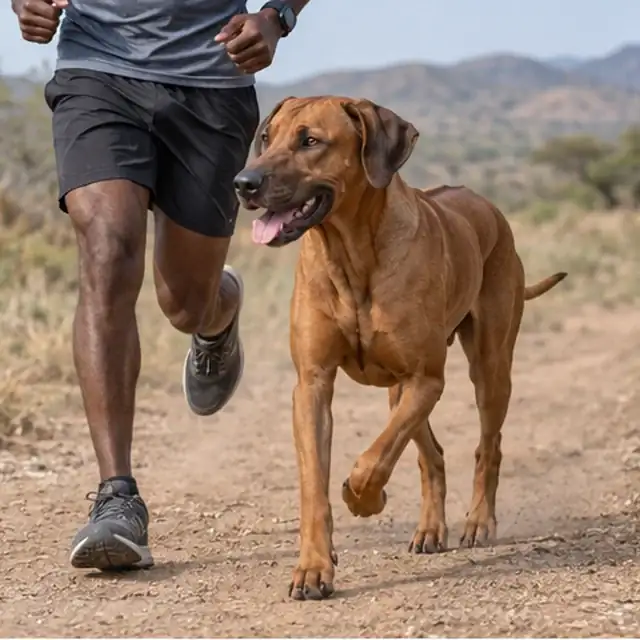
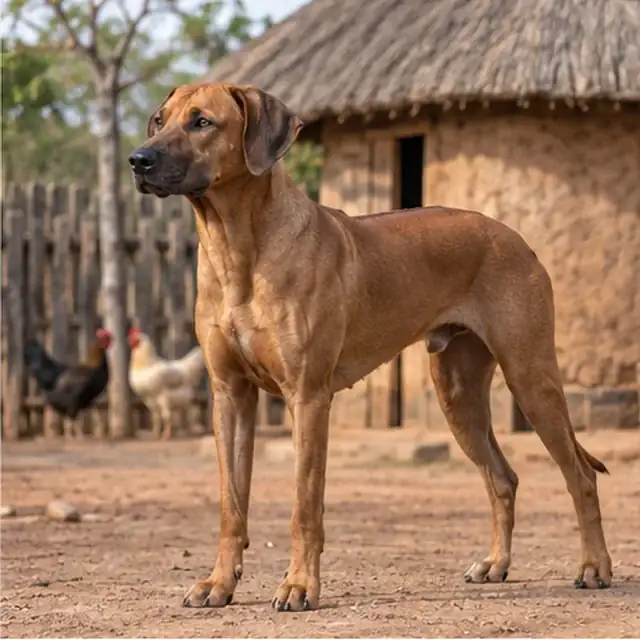
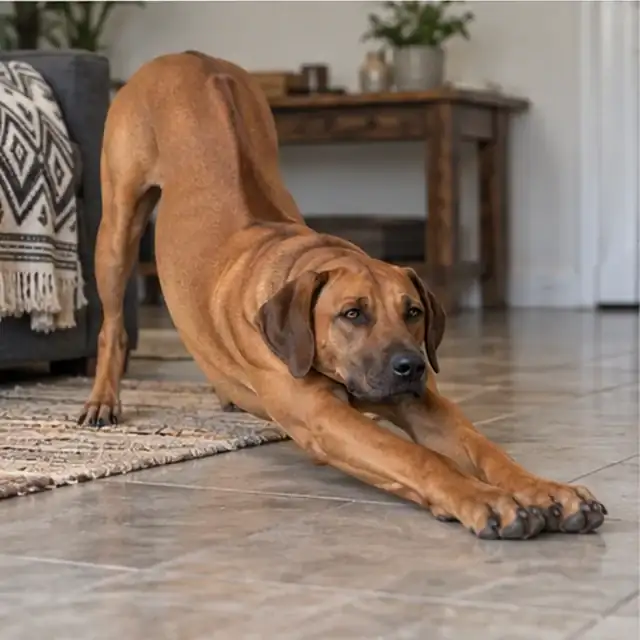
The Rhodesian Ridgeback is a large (61-69 cm, 32-37 kg) dog with a short, shiny wheaten coat and a characteristic "backbone" - a strip of hair that grows against the coat. Quiet, proud, intelligent, reserved towards others, but not aggressive. Needs a firm hand, mobile family and space.
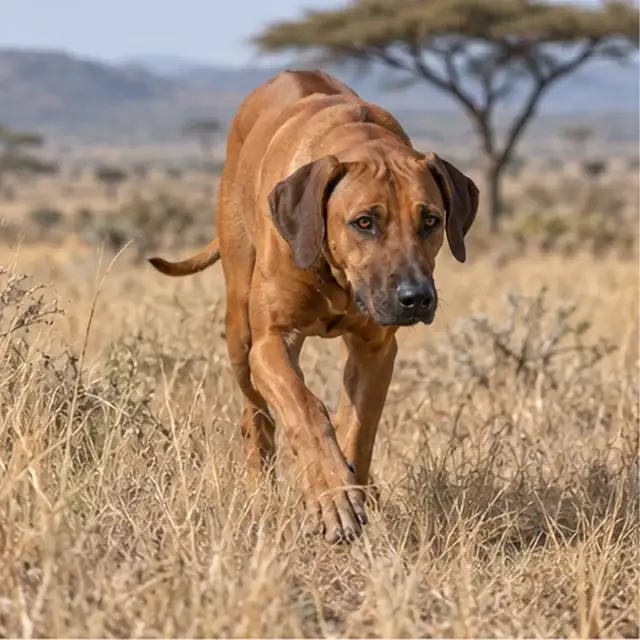
Suitable for families who can give the dog daily exercise and firm, consistent guidance. He is attached to the house, and wary of strangers.
About 40 minutes a day. During rapid growth up to 12 months, the loads are soft, later you can run with the owner.
Smart, but strong-willed, needs a firm owner. Early socialization is a must. Rudeness and pressure do not work.
Care is simple: weekly combing. A veterinary inspection and vaccination is required once a year.
Described as very good with children. Due to the size and strength of games with children under supervision.
The hunting instinct is preserved, so acquaintance with other animals is gradual.
Estimates help compare breeds. For zooaggression, 5/5 means less tendency to aggression towards dogs. The behavior and health of a particular dog depend on many factors.
High score: quiet and proud, attached to the family. Behavior depends on upbringing.
Average score: intelligent, but strong-willed.
Average score: hunting instinct.
In the British cohort, the median lifespan of the breed was 12.0 years. Among the described breed risks: elbow joint dysplasia; examination of the parents is confirmed with the veterinarian.
High score: simple short coat.
Dysplasia of the elbow joints: the results of examinations of both parents are requested, the weight is kept normal, and the lameness is shown to the veterinarian. Hip dysplasia sometimes occurs. Dermoid sinus is a congenital defect along the spine, which an experienced breeder detects in puppies in the first days.