Human orientation
Average rating: devoted to the flock and the owner. Behavior depends on upbringing.
THE PAW CATALOG
Origin: Romania
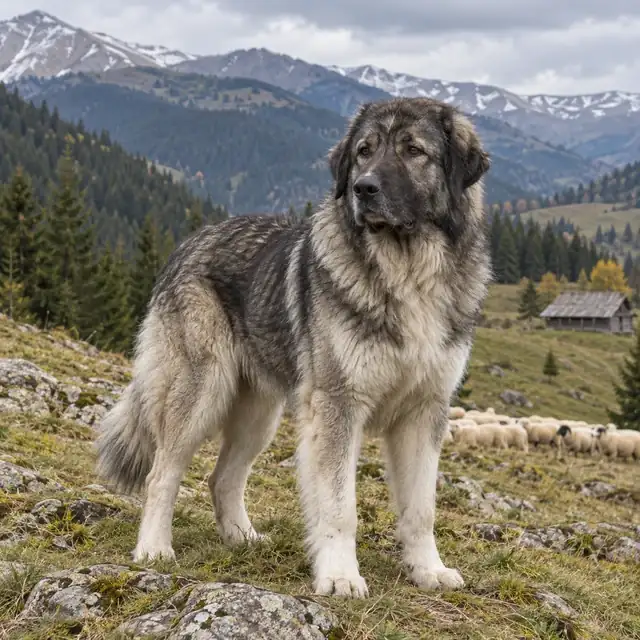
Romanian shepherds of the Carpathians used such dogs for centuries to protect their flocks and property. The selection was primarily based on working qualities, so the character has hardly changed. The first standard was written in 1934, the Romanian Kennel Club revised it in 1982, 1999 and 2001 and adapted it to the FCI model in 2002.
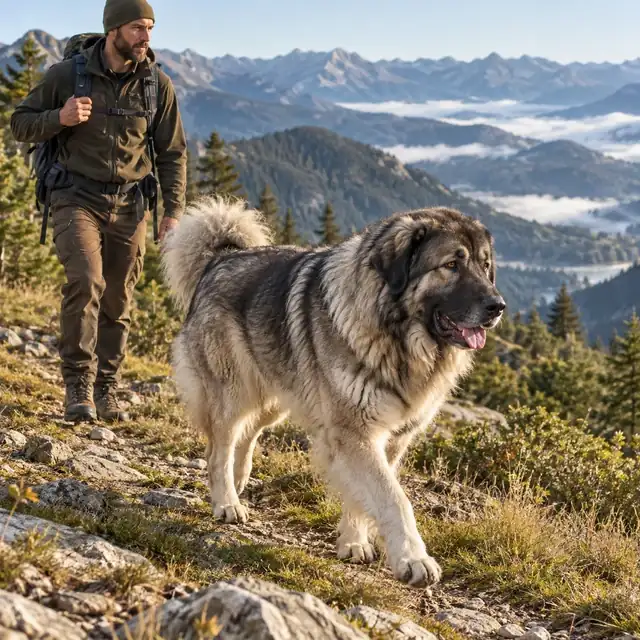
The Romanian Carpathian Shepherd Dog is a large (59-73 cm) guard dog with a stiff, thick wolf-gray coat. Dignified, calm and balanced, devoted to the flock and the owner. Requires an experienced owner and space.

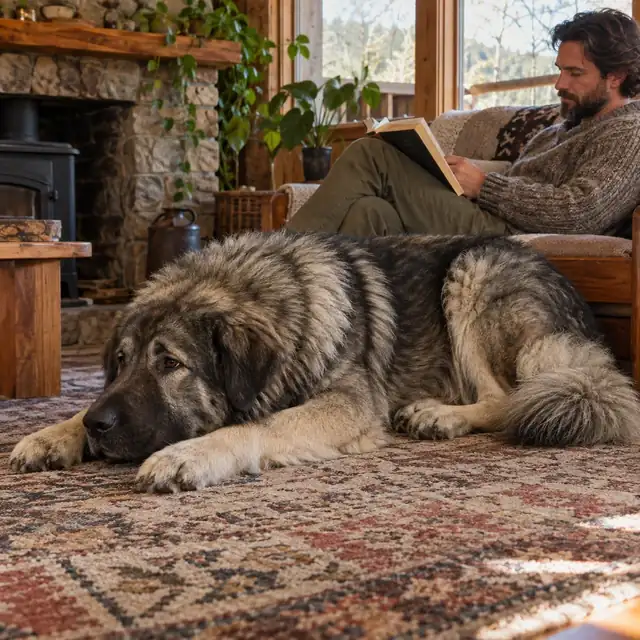
This is a dog for a private area with a strong fence. Such a dog should not be kept in an apartment.
Moderate: space and regular walks.
A natural guardian, devoted to the flock and the owner. Aggression and excessive timidity in the breed are undesirable. Early socialization and consistency are required.
Thick wool is combed regularly, more often during shedding. Ears are examined, claws are trimmed.
Dignified and calm, however, due to the size, contact with children is supervised.
Protector of the flock; acquaintances with other animals are cautious.
Estimates help compare breeds. For zooaggression, 5/5 means less tendency to aggression towards dogs. The behavior and health of a particular dog depend on many factors.
Average rating: devoted to the flock and the owner. Behavior depends on upbringing.
Medium-low rating: independent.
Average score: defender of the flock.
There is no comparable survival estimate for the breed in the British cohort used. The absence of the mentioned risk does not prove the absence of hereditary diseases.
Average score: thick coat and size.
Pedigree screening: there is little reliable data on the hereditary diseases of the Romanian Carpathian Shepherd breed, so the results of examinations of both parents should be requested in writing.
Musculoskeletal system: the growth and load of the Romanian Carpathian Shepherd Dog breed is adjusted to its age. If lameness or pain occurs, a veterinary examination is required.
Heart and eyes are included in the list of annual examination. The need for individual tests is determined by club recommendations and the dog's age. It is useful to keep the results in the veterinary passport.