Human orientation
Very high score: devoted and attached to the family. Behavior depends on upbringing.
THE PAW CATALOG
Origin: Germany
One of the oldest breeds: according to tradition, its ancestors herded cattle for the Roman legions, and settled in the German Rottweiler, where the dogs were called "distinguishing dogs" - they carried meat to the market. The breed became an official police dog in 1910.
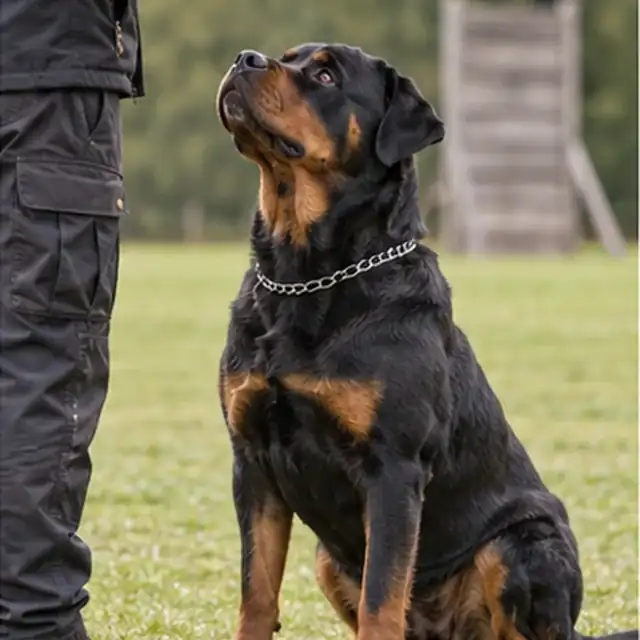
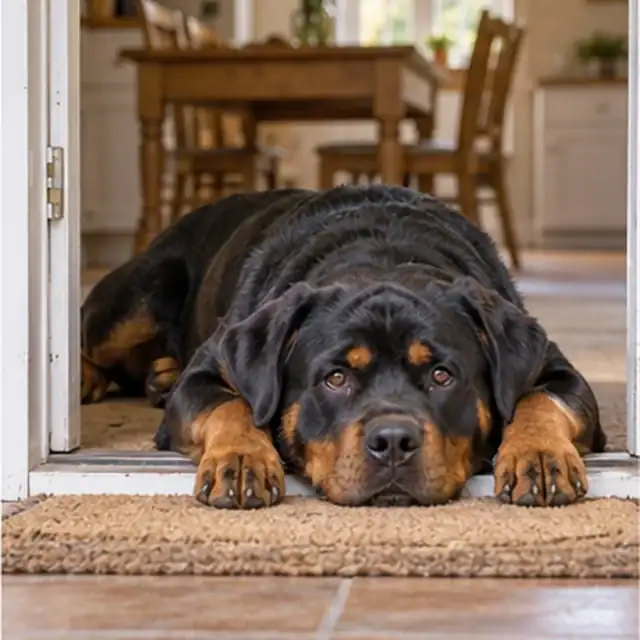
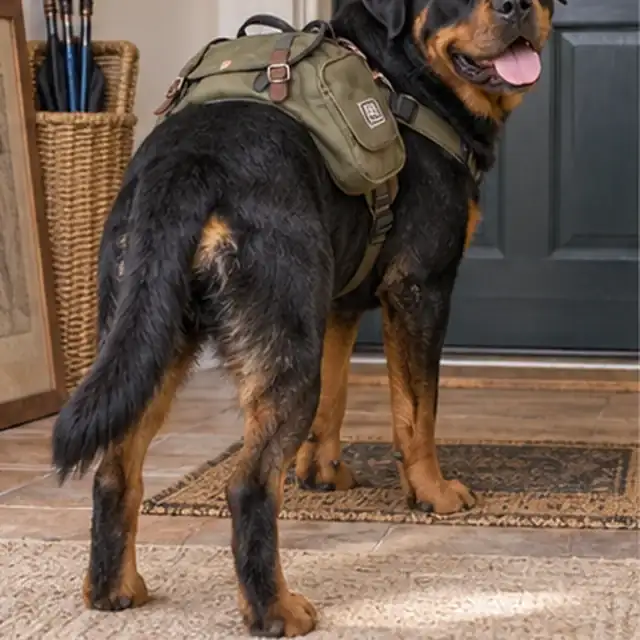
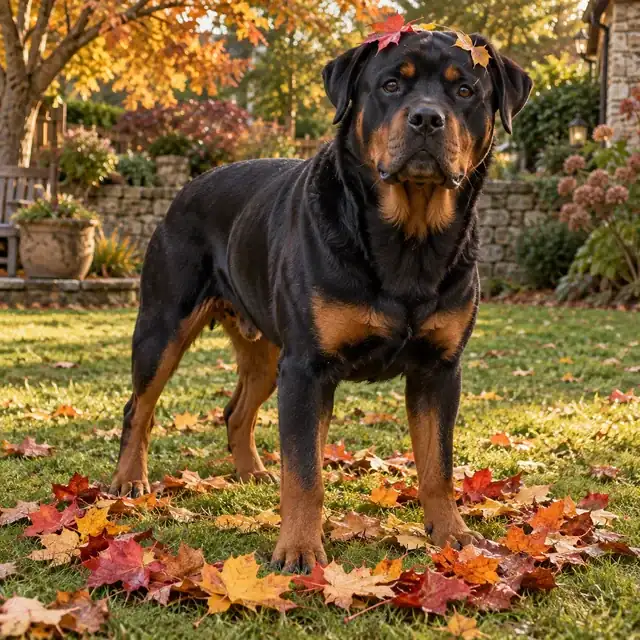
The Rottweiler is a powerful medium-large (56-68 cm, 42-50 kg) dog with black short hair and rich red tans. Confident, dedicated, intelligent and willing to work. Needs an experienced, consistent and calm owner, early socialization and activity.

Suitable for families with sufficient time and experience. Needs a spacious home or yard and daily activities, can destroy things out of boredom.
High: daily walks, training and obedience classes.
Smart, obedient and willing to work, but needs a consistent, confident and fair owner. Early socialization and lifelong obedience training are essential.
The wool is combed and combed once a week, more often during the shedding period. They bathe as needed. Ears are examined, nails are trimmed, teeth are cleaned.
Suitable for families, but due to its size and strength, children should not be left unattended with it.
Socialization with animals and people should begin at an early age.
Estimates help compare breeds. For zooaggression, 5/5 means less tendency to aggression towards dogs. The behavior and health of a particular dog depend on many factors.
Very high score: devoted and attached to the family. Behavior depends on upbringing.
High score: intelligent and willing to work.
Average score: early socialization is required.
In the British cohort, the median lifespan of the breed was 10.6 years. Among the described breed risks: hip dysplasia, heart diseases, eye diseases; examination of the parents is confirmed with the veterinarian.
High score: short coat, but experience and activity required.
Hip Dysplasia: Parents look at joint health before choosing a puppy. The weight is kept normal. If the dog is limping or reluctant to get up, it is examined by a doctor.
Heart disease: the heart is examined during routine visits, and symptoms (cough, fatigue) are shown to the veterinarian. Elbow dysplasia and juvenile laryngeal paralysis with polyneuropathy have also been described.
Eye diseases: the condition of the eyes is periodically evaluated by a veterinary ophthalmologist. Redness, cloudiness or excessive tearing are not ignored. The results of the eye examinations of the parents are requested from the breeder.