Human orientation
Average rating: calm and balanced. Behavior depends on upbringing.
THE PAW CATALOG
Origin: Russia
Comes from the European forest regions of Russia. The first written references to such northern dogs with standing ears date back to 1895. In 1947, several regional types of Laika were united into one breed under the modern name, and the first standard was approved in 1952. In the FCI classification, it belongs to group 5.
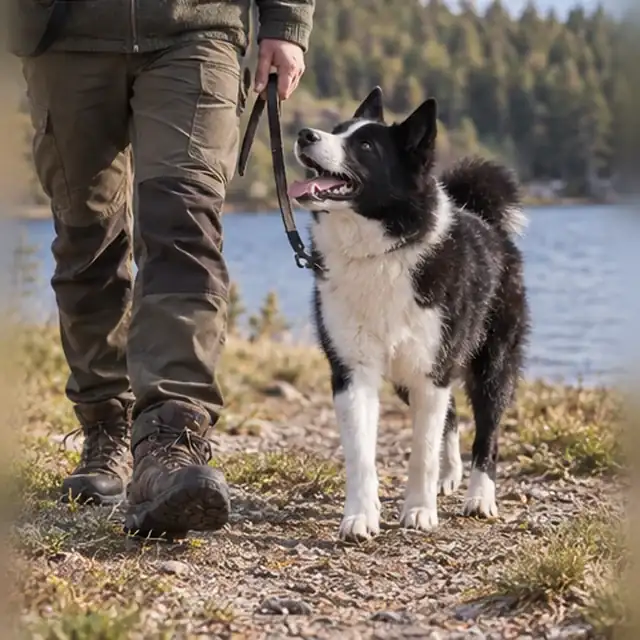
The Russian-European Laika is a medium (48-58 cm) hunting dog with erect ears, thick, stiff fur and a soft, woolly undercoat. Calm, balanced, with a fine sense of smell. A versatile hunting dog that needs movement and tasks.
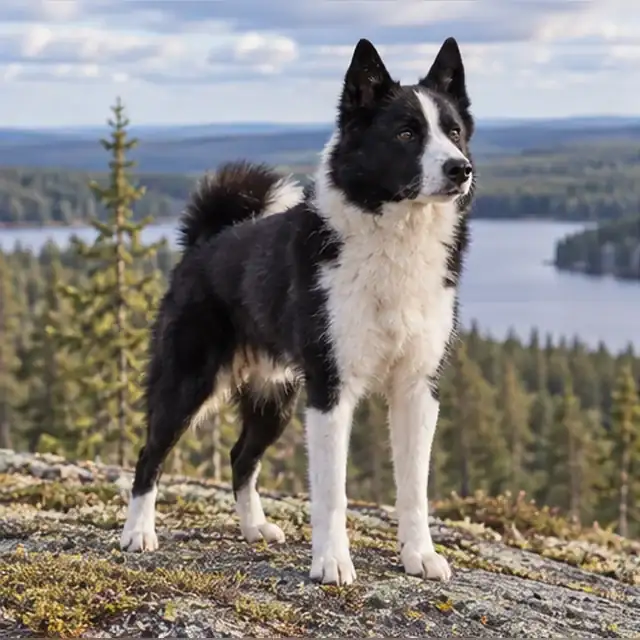
Suitable for hunters and active owners with space. It will be boring in a cramped apartment without a load.
High: Long walks, running and exercise every day.
Calm and balanced, but the hunting instinct is strong. It takes patience, reliable recall, and rewarding practice.
Thick wool is combed once a week, more often during seasonal shedding. Ears are examined, claws are trimmed.
Generally balanced. Contacts with children under supervision.
The hunting instinct is strong, small animals are prey.
Estimates help compare breeds. For zooaggression, 5/5 means less tendency to aggression towards dogs. The behavior and health of a particular dog depend on many factors.
Average rating: calm and balanced. Behavior depends on upbringing.
Average score: hunting instinct.
Average score: small animals - prey.
There is no comparable survival estimate for the breed in the British cohort used. The absence of the mentioned risk does not prove the absence of hereditary diseases.
Average score: thick coat needs weekly care.
Breed screening: there is little reliable data on hereditary diseases of the Russian-European Laika breed, so the results of examinations of both parents should be requested in writing.
Musculoskeletal apparatus: the growth and load of the Russian-European Laika breed dog are coordinated with its age. If lameness or pain occurs, a veterinary examination is required.
Eyes and heart are checked during routine examinations. The need for individual tests is determined by club recommendations and the dog's age. It is useful to keep the results in the veterinary passport.