Human orientation
Very high score: gentle and loyal. Behavior depends on upbringing.
THE PAW CATALOG
Origin: Switzerland
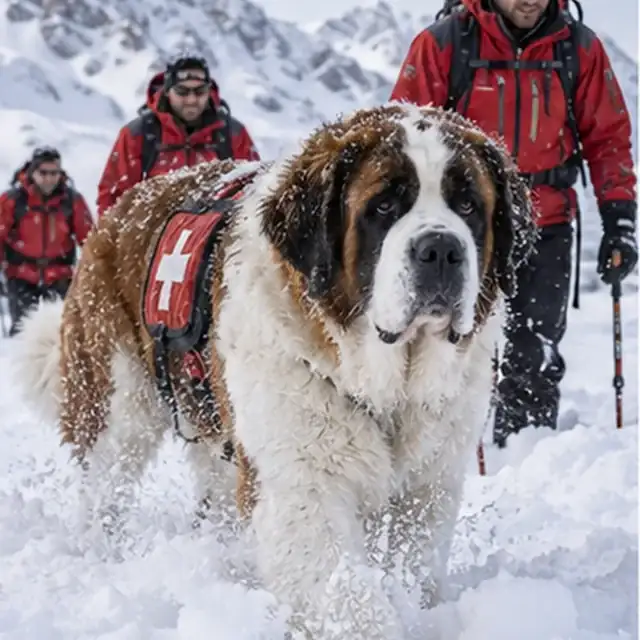
Brought out by the monks of the hospice on the Great St. Bernard pass on the border of Italy and Switzerland for rescue work. A sensitive sense of smell helped to find lost travelers. In the FCI classification, it belongs to group 2.
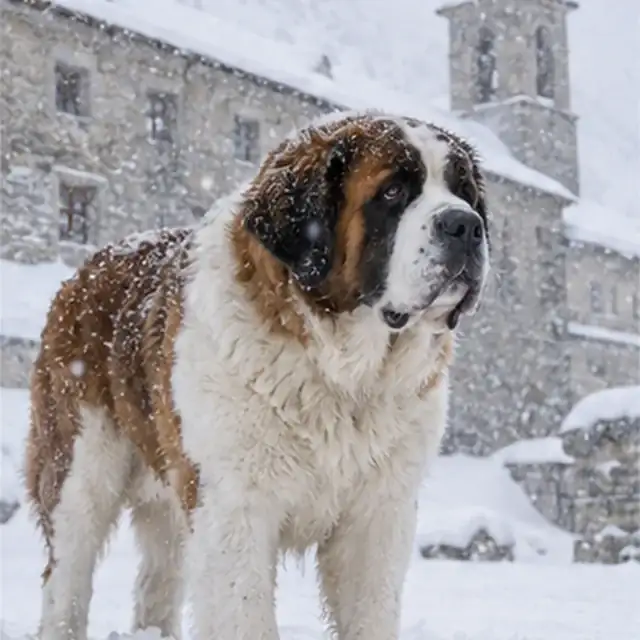
St. Bernard is a very large (65-90 cm) and powerful alpine dog with a thick double coat, short or long. Meek, patient, devoted; "good giant". Needs space, early socialization and care with joints and stomach.
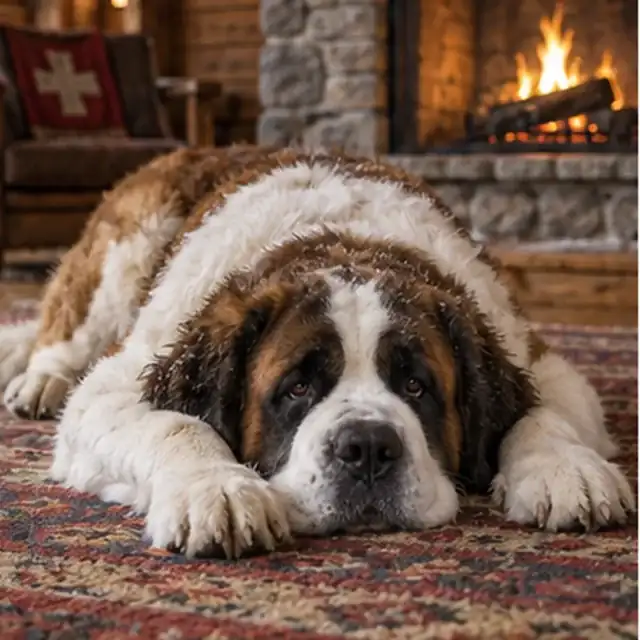
Suitable for families with a spacious home who can handle the drool, big coat and size. Feels good at home, needs coolness in the heat.
Moderate: regular walks. During growth, the joints are not overloaded.
Calm and patient, but due to weight, early obedience is a must. Classes are gentle and consistent.
The wool is combed at least once a week, bathed as needed. The folds on the face and ears are examined.
A "gentle giant" suitable for most families. Can accidentally hit a person, so contact with children under supervision.
It is necessary to get acquainted with other dogs from the puppy age.
Estimates help compare breeds. For zooaggression, 5/5 means less tendency to aggression towards dogs. The behavior and health of a particular dog depend on many factors.
Very high score: gentle and loyal. Behavior depends on upbringing.
Average Score: Patient but slow.
Medium-high rating: socialization is required.
In the British cohort, the median lifespan of the breed was 9.3 years. Among the described birth risks: dysplasia of the hip joints, bloating or twisting of the stomach, eye diseases; examination of the parents is confirmed with the veterinarian.
Medium-low rating: size and thick coat.
Dysplasia of the hip joints: the results of X-ray evaluations of the parents are studied before the purchase. Excess weight increases the load on the joints, so the puppy should not be overfed. If the dog is limping or reluctant to get up, it is examined by a doctor.
Bloating or stomach upset: the portion is divided into several feedings, and the dog is allowed to rest after eating. If the stomach hardens, and the dog is restless and tries to vomit in vain, go to the clinic immediately.
Eye diseases: inversion and inversion of the eyelids (entropion, ectropion) are described. Eyes are examined regularly.