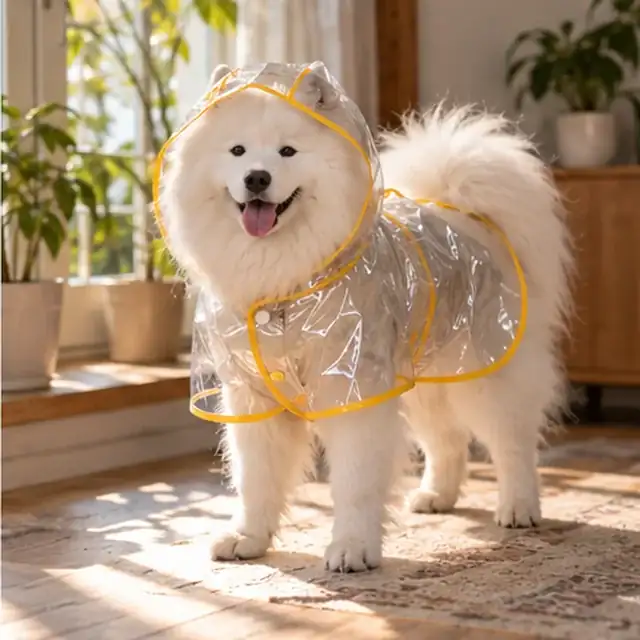
Human orientation
Very high score: loves people and company. Behavior depends on upbringing.
THE PAW CATALOG
Origin: Northern Russia and Siberia; patronage of Scandinavian countries
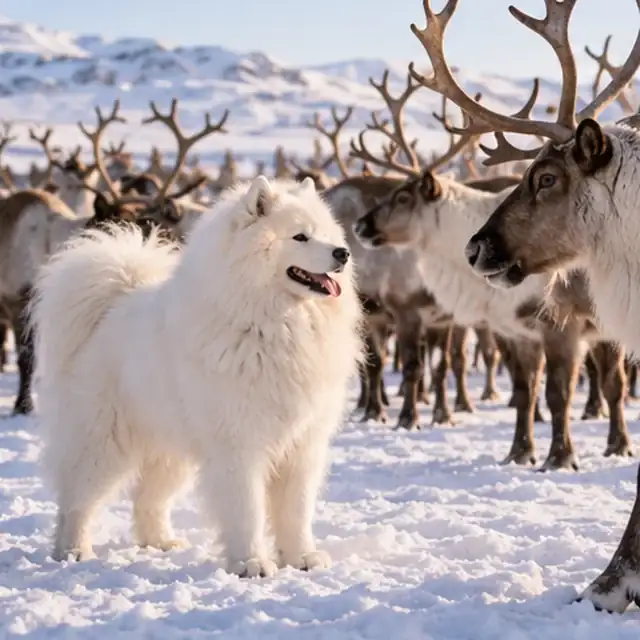
North Siberian nomadic Samoyed families relied on these dogs for herding deer, hunting, transporting sledges, and keeping warm in tents. The breed attracted the attention of the West by participating in the Arctic and Antarctic expeditions of the late 19th and early 20th centuries.
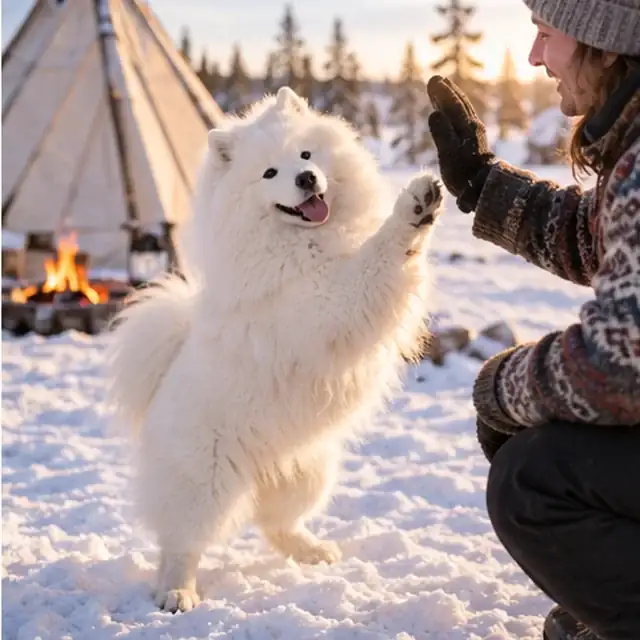
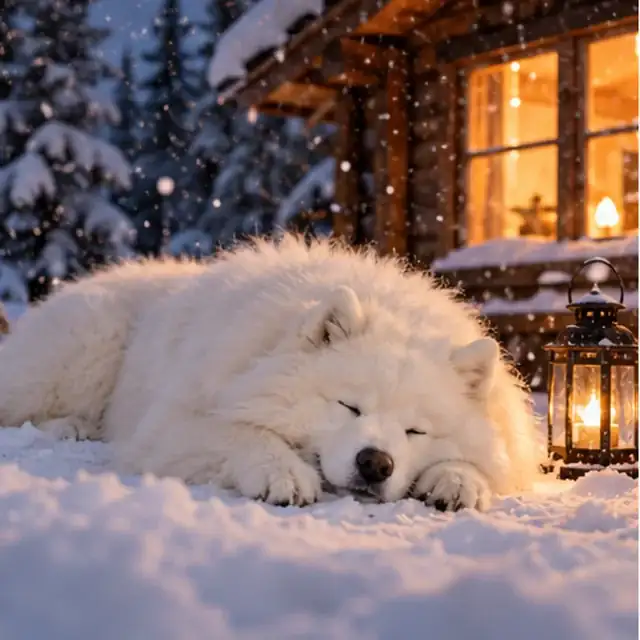
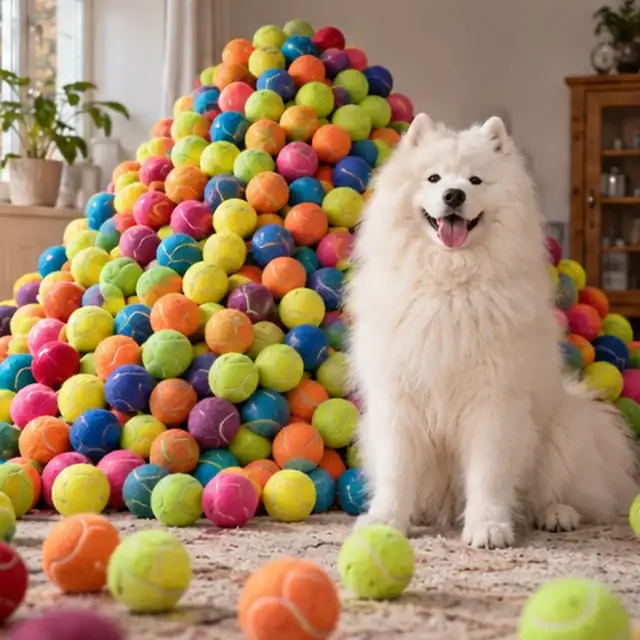
The Samoyed is a beautiful medium (46-56 cm) white or cream Spitz with a lush double coat and a characteristic "smile". Friendly, affectionate, people-oriented, active. Needs daily movement, abundant brushing and companionship.
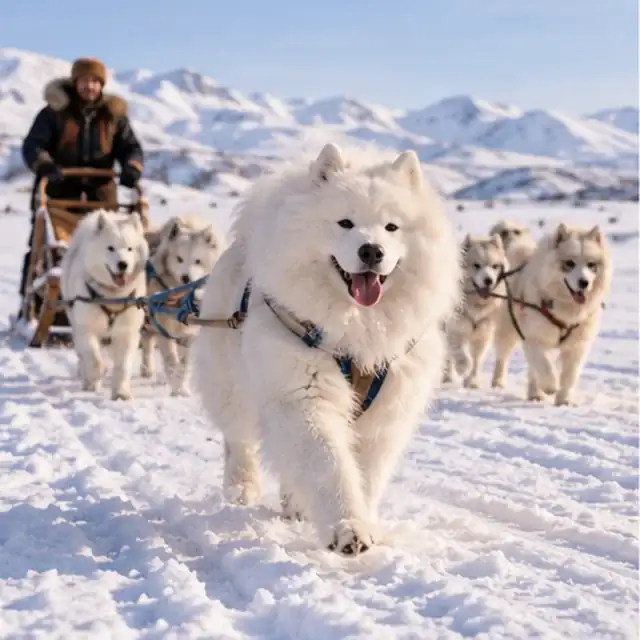
Suitable for active families who give the dog attention and companionship. Can't stand loneliness. The yard should be well fenced.
Daily movement is mandatory: walks, running, games.
Smart, friendly and loves the game. Classes are varied, with rewards.
The wool is combed and combed at least once a week, getting used to it from a young age. It sheds once or twice a year: before bathing, the coat is carefully combed, the thick undercoat is completely dried, preferably with a hair dryer for dogs.
A good family dog, but his enthusiasm can knock him off his feet. Children nearby only under supervision.
Friendly to people, treats other animals differently; acquaintances are gradual.
Estimates help compare breeds. For zooaggression, 5/5 means less tendency to aggression towards dogs. The behavior and health of a particular dog depend on many factors.
Very high score: loves people and company. Behavior depends on upbringing.
Medium-high rating: intelligent and friendly.
Average score: depends on socialization.
In the British cohort, the median lifespan of the breed was 13.1 years. Among the described breed risks: hip dysplasia; examination of the parents is confirmed with the veterinarian.
Low rating: Thick white coat requires regular brushing.
Hip Dysplasia: The breeder is asked to confirm examinations of both parents. Excess weight increases the load on the joints, so the puppy should not be overfed. If the dog is limping or reluctant to get up, it is examined by a doctor.