Human orientation
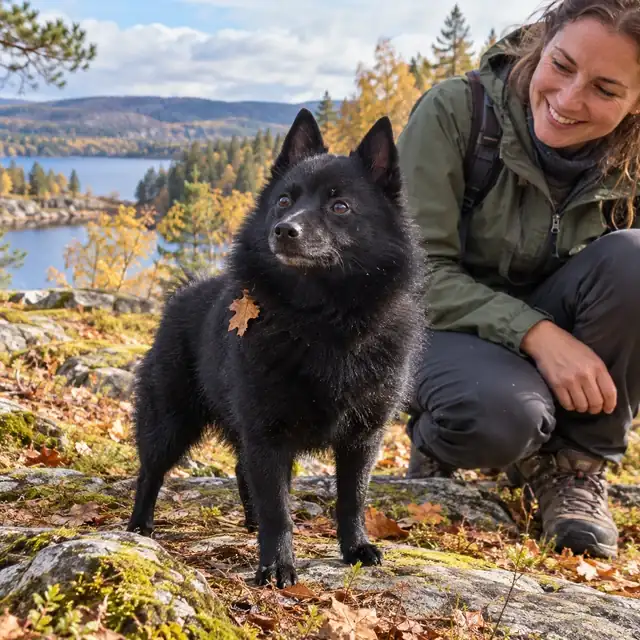
Devoted to family, at the same time distrustful of strangers.
THE PAW CATALOG
Origin: Belgium
It comes from Belgium as a small relative of the black Belgian shepherd. The name is usually interpreted as "little shepherd", but the dogs were known for guarding boats on the canals between Brussels and Antwerp.
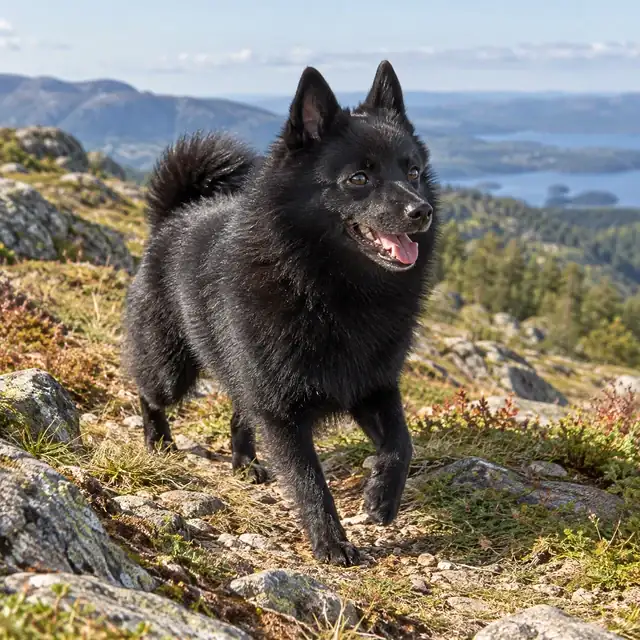
The Schipperke is a small (5.5-7.5 kg) sturdy black dog with thick fur, a mane and a toad around the neck. Lively, alert and intelligent, devoted to his family, but distrustful of strangers. Very curious and does not like changes in the house, for example rearranged furniture. Responds well to treats. Suitable for active people who appreciate an intelligent and alert companion.

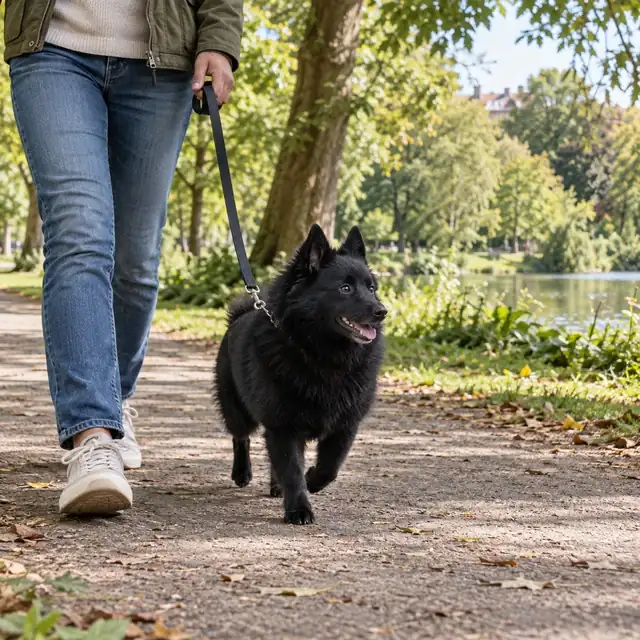
Can live in an apartment and a private house, if he receives a daily load. Tolerates several kilometers of walking per day, and can be happy with a day in the yard. Alertness is manifested in barking, so it is worked on from puppyhood.
Moderately high. A few kilometers of walks a day and mental tasks. Also happy with a quiet day in the yard.
Due to high intelligence, training and housing conditions are planned with this in mind. Classes are varied, with treats. Early socialization is a must. Without work, the Schipperke invents entertainment himself.
Dense coarse wool needs regular brushing and bathing as needed. The mane and coat are combed more thoroughly. The dog has almost no characteristic smell. Ears, teeth and claws are examined.
Children and the dog are always supervised by an adult. Children are taught not to frighten and restrain the dog. Schipperke is devoted to his family.
Inquisitive and alert, can chase small animals. It usually gets along with dogs after early socialization. Acquaintance with cats is carried out gradually.
Estimates help compare breeds. For zooaggression, 5/5 means less tendency to aggression towards dogs. The behavior and health of a particular dog depend on many factors.
Devoted to family, at the same time distrustful of strangers.
Intelligent and inquisitive, responds well to treats.
Inquisitive and can chase small animals.
In the British cohort, the median lifespan of the breed was 14.2 years; small sample: 28 deaths. Among the described breed risks: dislocation of the patella, eye diseases; examination of the parents is confirmed with the veterinarian.
Coarse thick wool needs regular brushing, especially during shedding.
A dislocation of the patella is often noticeable by short "bounces" on the hind leg during running. The doctor assesses the extent of the dislocation, and it depends on whether treatment is needed. It is better to ask the breeder about similar cases in the pedigree.
Eye diseases: the condition of the eyes is periodically evaluated by a veterinary ophthalmologist. Redness, cloudiness or excessive tearing are not ignored.