Human orientation
Strongly devoted to his family, although he does not always show emotions.
THE PAW CATALOG
Origin: Great Britain
The breed was formed at the end of the 19th century for the breeding of rodents on Scottish farms, from where it has a compact, strong structure and courage.
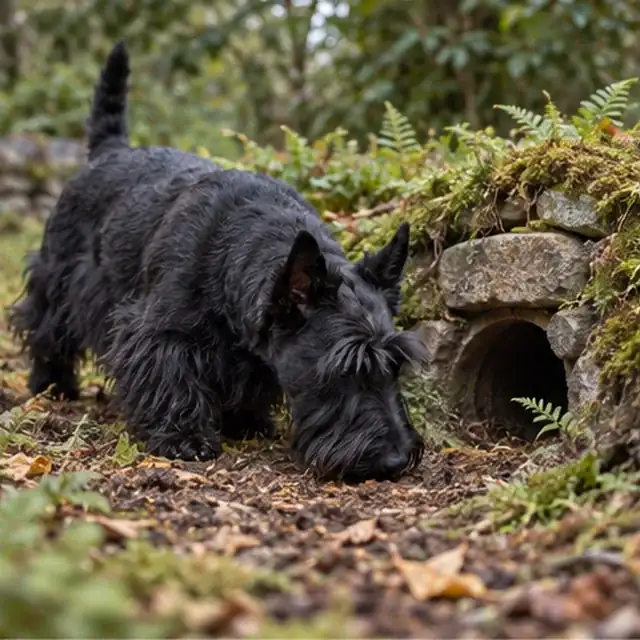
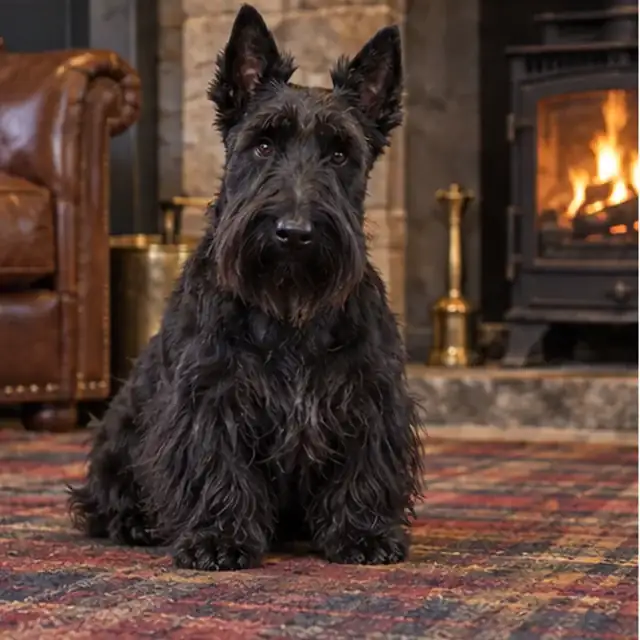
Scottish Terrier (Scotch) - a short (25-28 cm, 8.5-10.5 kg) stocky and muscular terrier with a stiff coat and beard. Dignified, attentive and independent, does not always show emotions, but is strongly devoted to his family. A natural fighter who rarely backs down. Therefore, you need to be careful with large dogs when walking.
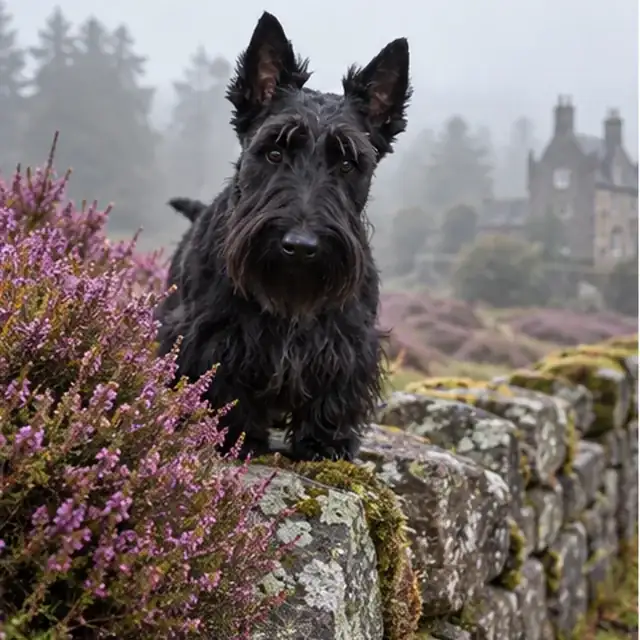
Suitable for living in an apartment and a house if it gets daily walks. A securely fenced yard is required. The hunting instinct can make you chase animals, even in front of cars. Due to its short legs, it does not swim well, so pools and reservoirs are dangerous.
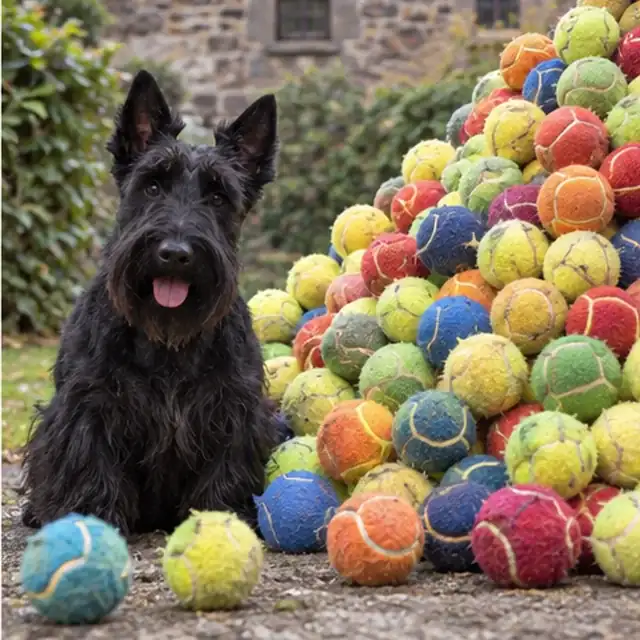
Moderate About 30 minutes of daily walking on a leash and playing with a ball is ideal. A securely fenced yard is required.
Independent and strong-willed, so training requires patience and consistency. Basic obedience is a must. Walking on a leash is very important, because the scotch does not back down when threatened by larger dogs.
Double coat sheds little. Comb at least twice a week. A haircut or trimming is required every 8-12 weeks. The beard is wiped after eating, the ears and teeth are inspected.
Can adapt to respectable children under the condition of careful introduction. It does not tolerate rough treatment, so children and the dog are always under supervision.
The terrier character manifests itself in relation to small animals and other dogs. Early introductions help, but rodents and small animals should not be left unattended.
Estimates help compare breeds. For zooaggression, 5/5 means less tendency to aggression towards dogs. The behavior and health of a particular dog depend on many factors.
Strongly devoted to his family, although he does not always show emotions.
Independent and strong-willed, needs patience.
Fighting nature requires caution with other dogs.
In the British cohort, the median lifespan of the breed was 12.7 years. The absence of the mentioned risk does not prove the absence of hereditary diseases.
Hard wool needs regular combing and trimming.
Breed Screening: Detailed data on hereditary diseases of the Scottish Terrier breed are scarce. Ask the breeder for documentary results of examinations of both parents and current recommendations of the club.
Musculoskeletal system: the growth, weight and load of the Scottish Terrier breed should correspond to its age. Pain, lameness, or reluctance to move require a veterinary examination.
Eyes and heart are checked during routine examinations. The need for individual tests is determined by club recommendations and the dog's age. Do not delay new symptoms, such as blurred vision or shortness of breath, until your next appointment.