Human orientation
Average rating: energetic hunter. Behavior depends on upbringing.
THE PAW CATALOG
Origin: Serbia
The breed is centuries old, probably originating from hounds that traded across the Mediterranean, with European and North African dogs in its pedigree. FCI renamed it from Balkan to Serbian Hound in 1996. In the FCI classification, it belongs to group 6.
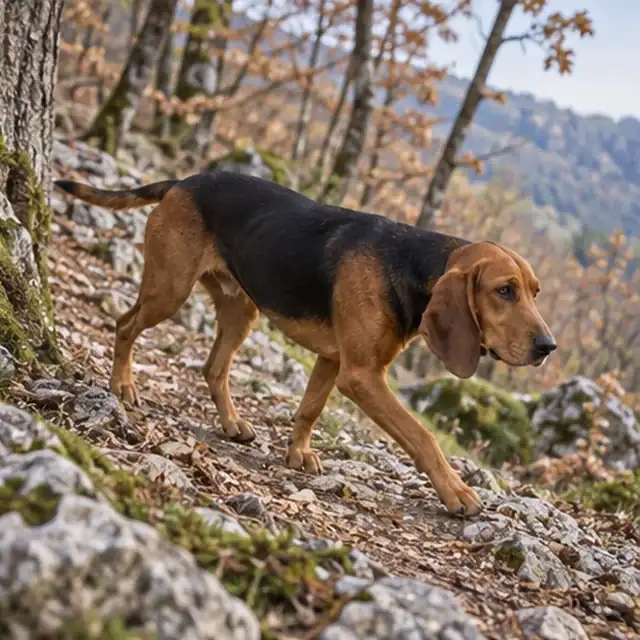
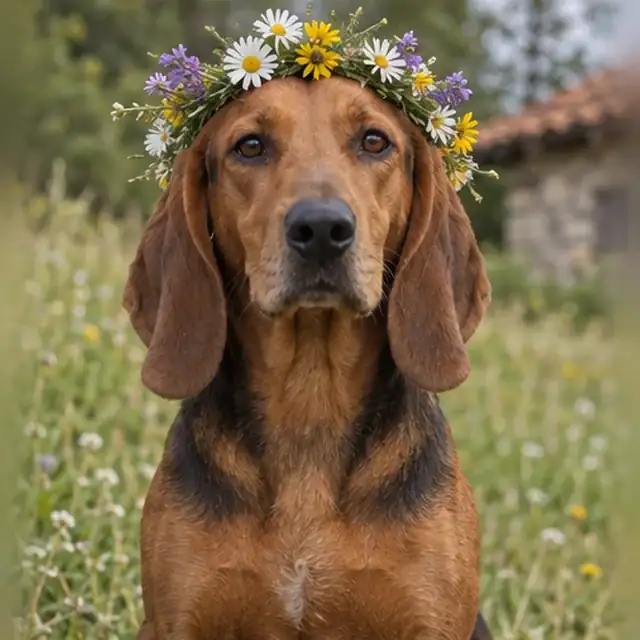
Serbian hound (former Balkan) is a medium (44-56 cm, about 20 kg) hunting hound with a short, dense coat of reddish-fawn color with a large black coat. Disciplined, energetic, purposeful and lively; has a characteristic high voice when hunting. Needs a lot of movement and space.
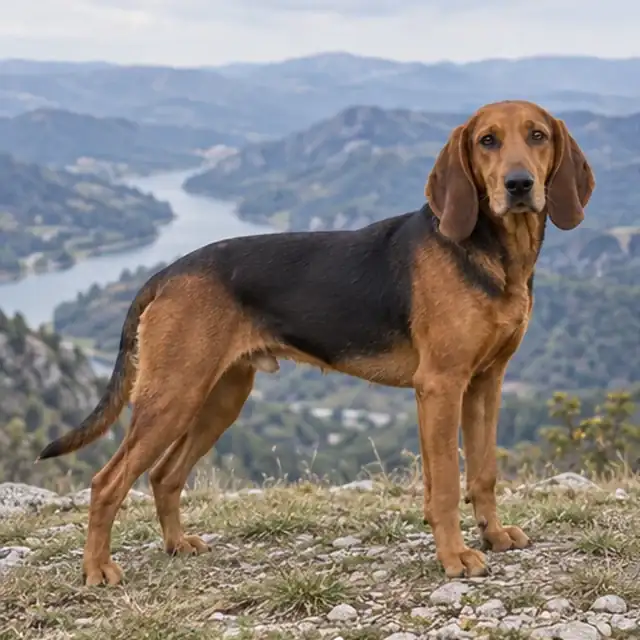
Suitable for hunters and very active owners. Traditionally works in a pack. Not suitable for an apartment.
High: long walks, running and smell work every day; characterized by endurance on difficult terrain.
Purposeful and disciplined, but the sense of smell prevails over commands. You need patience, a leash and a reliable fence.
Short dense wool is combed once a week. Hanging ears are examined, claws are trimmed.
Lively and energetic, therefore games with children are under supervision.
He works in a pack, so he usually gets along with dogs. Game and small animals are prey.
Estimates help compare breeds. For zooaggression, 5/5 means less tendency to aggression towards dogs. The behavior and health of a particular dog depend on many factors.
Average rating: energetic hunter. Behavior depends on upbringing.
Average score: the sense of smell is distracting.
Average score: works in a pack, small animals are prey.
There is no comparable survival estimate for the breed in the British cohort used. The absence of the mentioned risk does not prove the absence of hereditary diseases.
High score: short coat.
Pedigree screening: there is little reliable data on hereditary diseases of the Serbian Hound breed, so the results of examinations of both parents should be requested in writing.
Musculoskeletal system: the growth and load of the Serbian Hound breed dog is coordinated with its age. If lameness or pain occurs, a veterinary examination is required.
Eyes and heart need regular attention from a doctor. Narrow examinations, for example by an ophthalmologist or a cardiologist, are prescribed as needed. It is useful to keep the results in the veterinary passport.