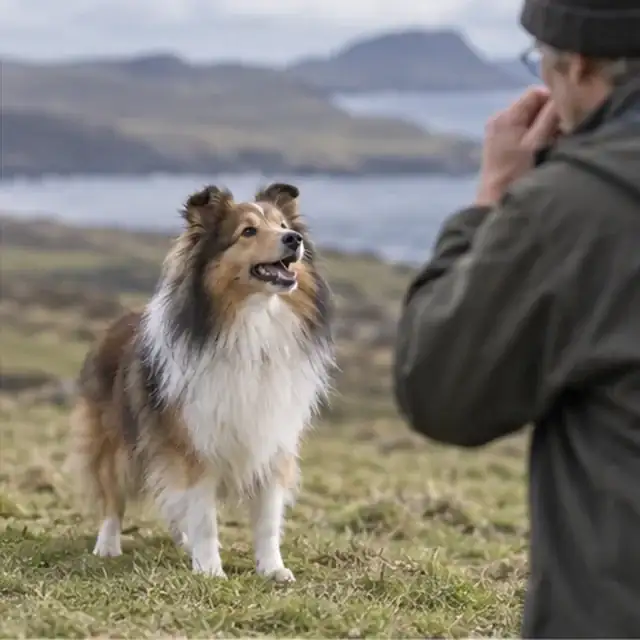
Human orientation
Very devoted to the family, sensitive to the owner's mood.
THE PAW CATALOG
Origin: Great Britain
It comes from the Shetland Islands, where local peasants kept such dogs as sheepdogs and farm guards. Short stature and dexterity helped to work on small pastures.
Shetland sheepdog (Sheltie) is a small (males about 37 cm, bitches about 35.5 cm) herding dog with thick, long hair. Loyal, intelligent and sensitive, she can be reserved towards others. It is very trainable, likes agility, obedience and herding activities. It does not require a lot of space, it is suitable for both active owners and a quieter lifestyle.
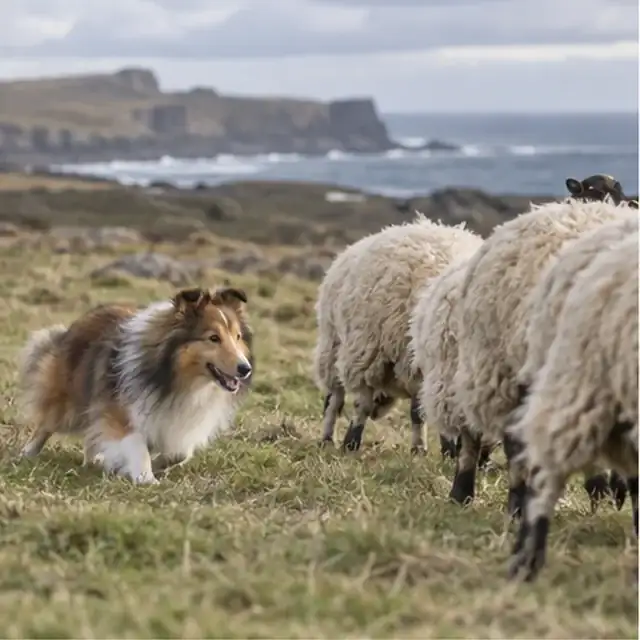
Suitable for families who can give the dog attention and activities. He is attached to his family and does not like loneliness. Can live in an apartment under the condition of regular walks and mental exercise. Barking is limited from an early age.
Moderately high. Daily walks, games and mental tasks. Likes agility, obedience, rally and herding.
Responds very well to training, willing to learn new things. Basic obedience and early socialization are a must. Sensitive to the tone of voice, so rudeness is unacceptable. The herding instinct can be manifested in attempts to "collect" people and animals.
The double coat is thoroughly combed at least once a week, more often during shedding. Particular attention is paid to the places behind the ears and on the pants. They bathe only when necessary. Ears, teeth and claws are examined regularly.
Usually friendly to family members. Small children with a dog are not left unattended. The herding instinct can come into play during the run game.
Generally friendly to other animals with early socialization. May try to "graze" smaller animals. Acquaintances are carried out gradually.
Estimates help compare breeds. For zooaggression, 5/5 means less tendency to aggression towards dogs. The behavior and health of a particular dog depend on many factors.
Very devoted to the family, sensitive to the owner's mood.
He learns quickly and is happy to work with people.
Generally friendly, but herding instinct sometimes manifests itself.
In the British cohort, the median lifespan of the breed was 13.4 years. Among the described breed risks: hip dysplasia, epilepsy, von Willebrand's disease; examination of the parents is confirmed with the veterinarian.
Thick long hair requires regular brushing.
Dysplasia of the hip joints: the results of examinations of both parents are requested. Excess weight increases the load on the joints, so the puppy should not be overfed. Stiffness after rest is not attributed to age without an examination.
Epilepsy: seizures require veterinary examination. It is useful to record the duration and frequency of attacks on video or in notes.
Von Willebrand's disease: an inherited blood clotting disorder that manifests as prolonged bleeding after trauma and surgery. Genetic testing of parents helps assess risk; the diagnosis is reported to the veterinarian before any intervention.
Eye diseases: it is worth planning regular visits to an ophthalmologist. Squinting, redness, or cloudy corneas require examination, not waiting. The results of the eye examinations of the parents are requested from the breeder.