Human orientation
Tied to the family, but independent and restrained.
THE PAW CATALOG
Origin: Japan
It is considered the oldest of the Japanese breeds: skeletons of this type date back to about 3000 BC. Bred for hunting small game. It is the national dog of Japan and the ancestor of other Japanese breeds.
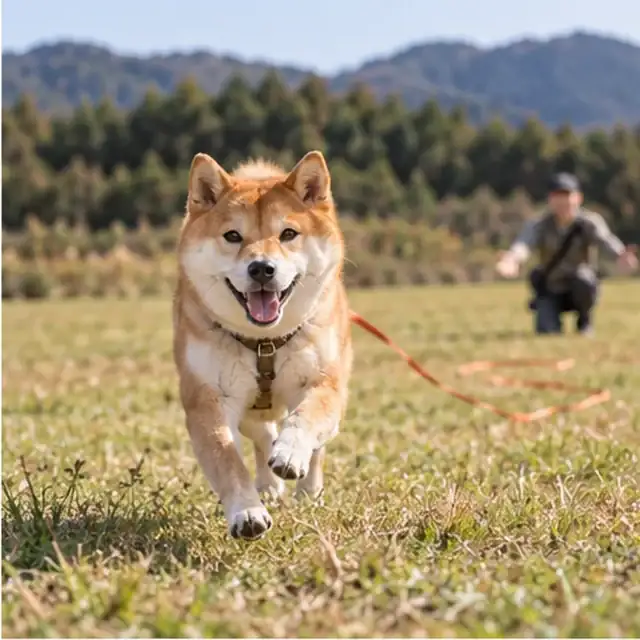
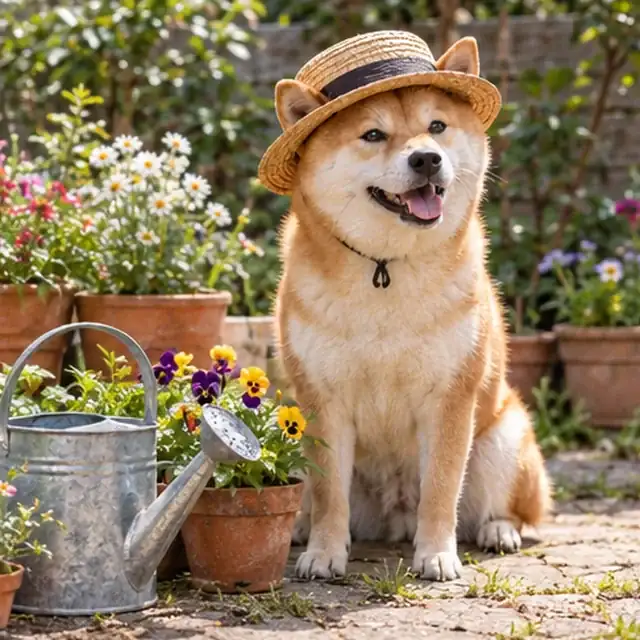
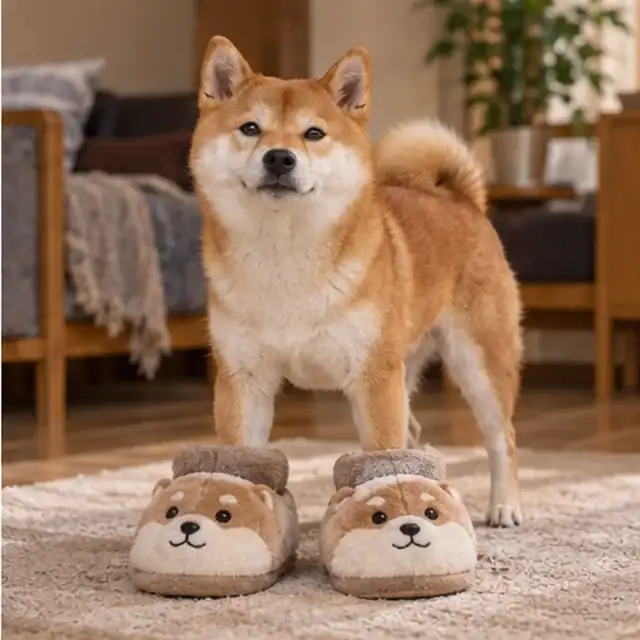
Shiba-inu is a small (38-41 cm for males, 35-38 cm for females) Japanese hunting dog with thick fur, erect ears and a curled tail. Vigilant, inquisitive, smart, but strong-willed and stubborn, can ignore commands that he understands well. Very clean and almost odorless. Requires an experienced owner and reliable fencing.
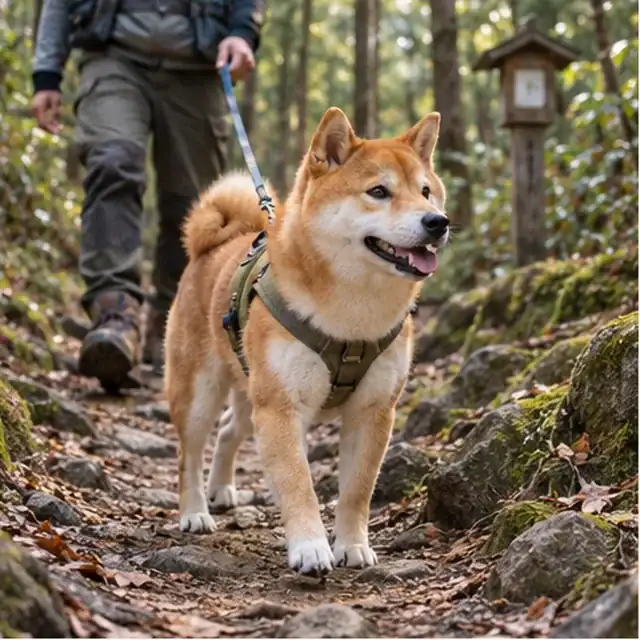
Suitable for owners who understand the independent nature of the breed. Can live in an apartment provided daily walks, but always on a leash or in a fully fenced yard. Loneliness is tolerated better than many, but boredom is harmful.
Moderate Daily walk and mental load. The hunting instinct is strong, therefore only on a leash or in a fenced yard.
Training and socialization must begin at a puppy age, because stubbornness manifests itself early. Classes are short, varied, with treats. The recall is unreliable, so they don't let her go without a leash.
They brush once a week with a slicker, bathe occasionally, because the dog is purebred. Claws are trimmed every week from puppyhood, because many Shiba do not like having their paws touched. It sheds heavily twice a year, sometimes for a month.
A good family companion, but children and the dog are always under the supervision of an adult. Children are taught to respect her personal space.
Usually gets along well with other dogs and cats after acquaintance, especially with early socialization. The hunting instinct is aimed at small animals.
Estimates help compare breeds. For zooaggression, 5/5 means less tendency to aggression towards dogs. The behavior and health of a particular dog depend on many factors.
Tied to the family, but independent and restrained.
Clever, but stubborn; can ignore understandable commands.
Generally good after familiarization, but the hunting instinct needs to be controlled.
In the British cohort, the median lifespan of the breed was 14.6 years; small sample: 91 deaths. Among the described breed risks: hip dysplasia, allergic skin diseases, eye diseases; examination of the parents is confirmed with the veterinarian.
Clean, but strong seasonal shedding needs daily combing.
Dysplasia of the hip joints: the results of X-ray evaluations of the parents are studied before the purchase. Excess weight increases the load on the joints, so the puppy should not be overfed. Stiffness after rest is not attributed to age without an examination.
Allergic skin diseases: itching, redness and baldness require a veterinary examination.
Eye diseases: regular examinations by a veterinary ophthalmologist. Redness, cloudiness or excessive tearing are not ignored.